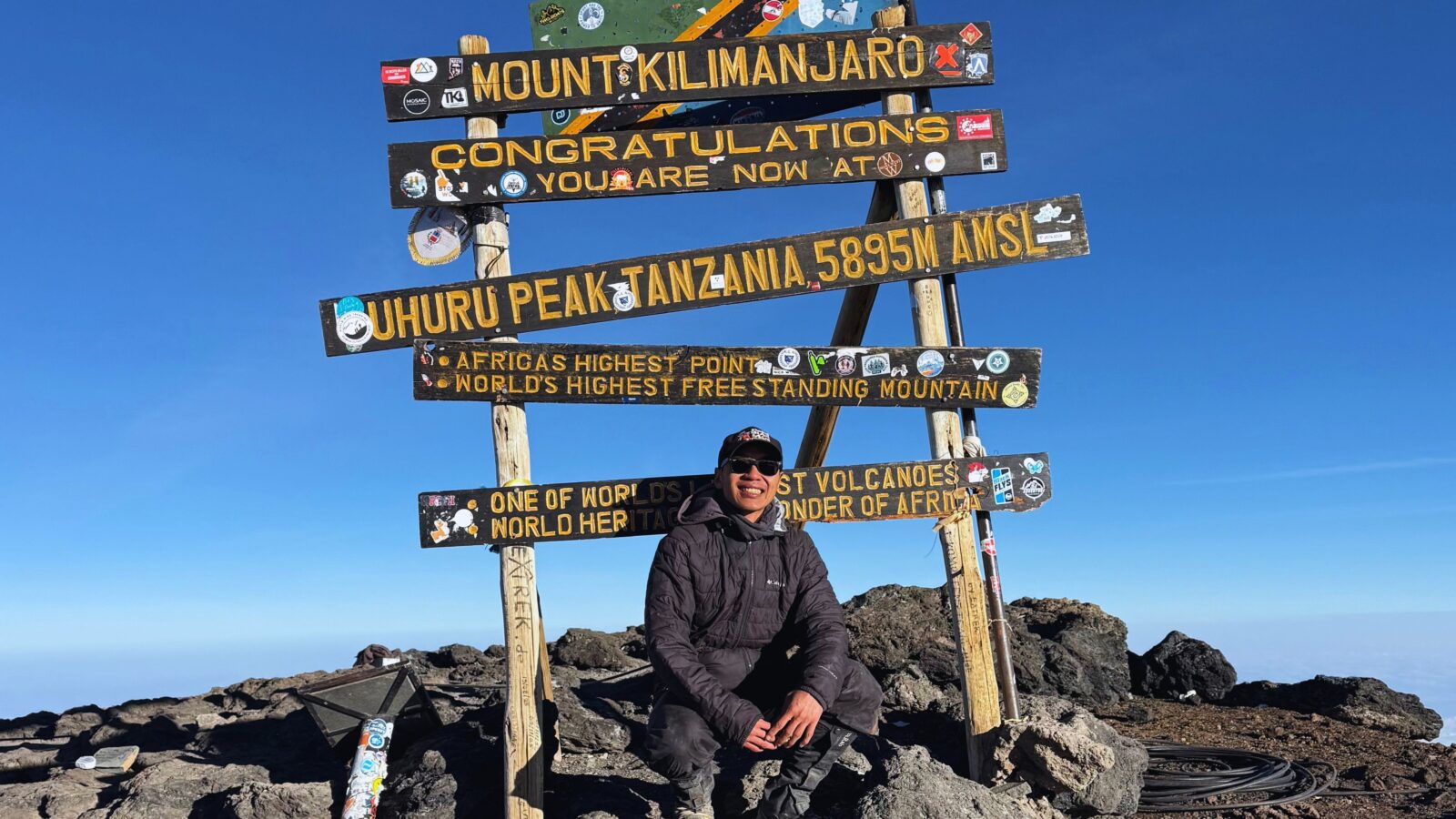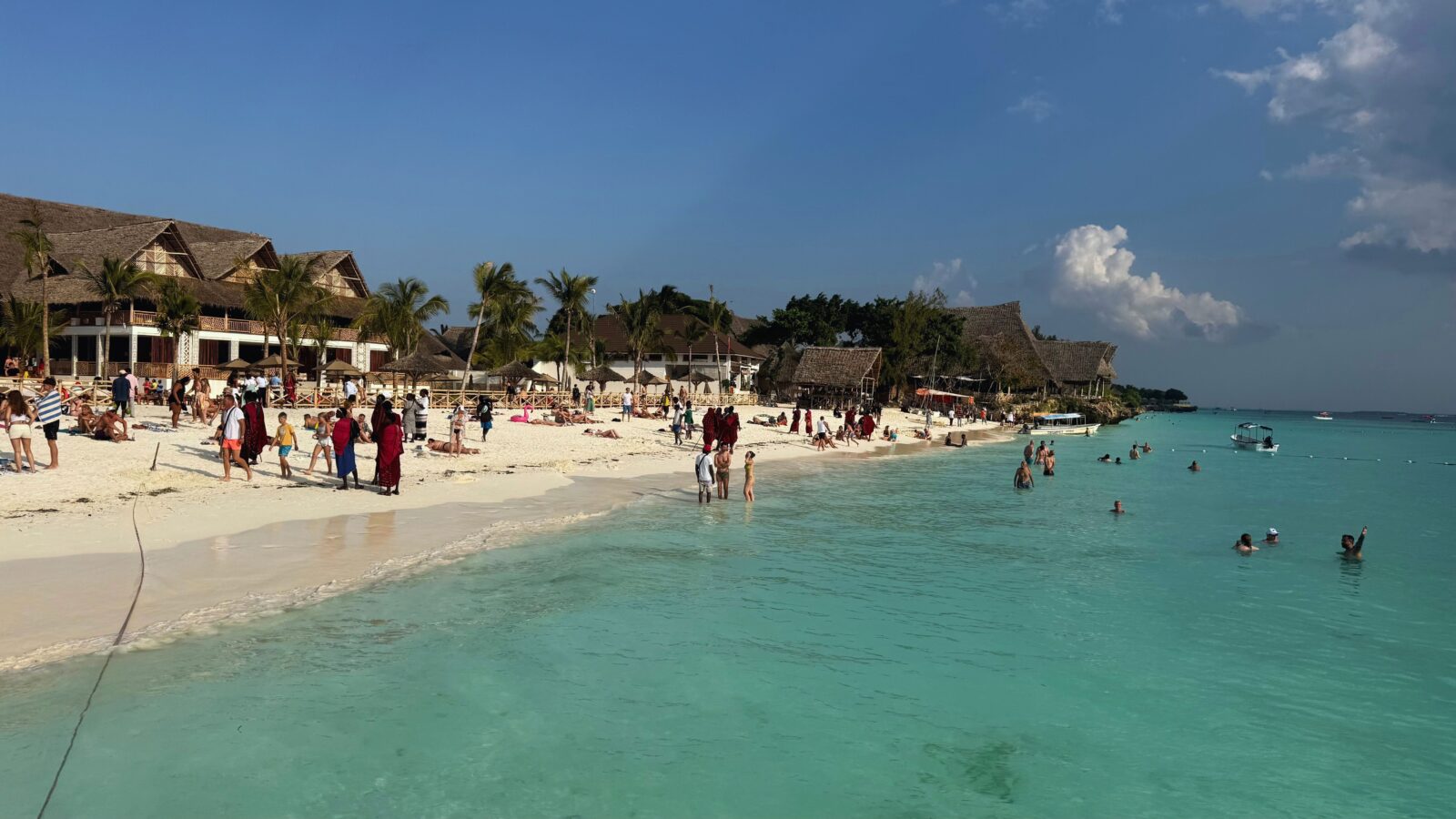
Before this trip, I had a hard time figuring out how much a multi-week, multi-country trip through East Africa would actually cost. Most budget guides focused on one destination or experience at a time: a Tanzania safari, gorilla trekking, or climbing Kilimanjaro. But I wanted to combine all three into one trip, along with stops in Ethiopia and Zanzibar, and couldn’t find many examples showing what that would cost as a complete 5-week East Africa trip.
So I tracked every dollar I spent. My 35-day trip cost $9,503, or about $272 per day, including accommodations, flights, guided tours, food, transportation, visas, and activities.
In this East Africa cost breakdown, I’ll show exactly where my money went, how I kept the trip under $10,000, and which experiences had the biggest impact on my budget.
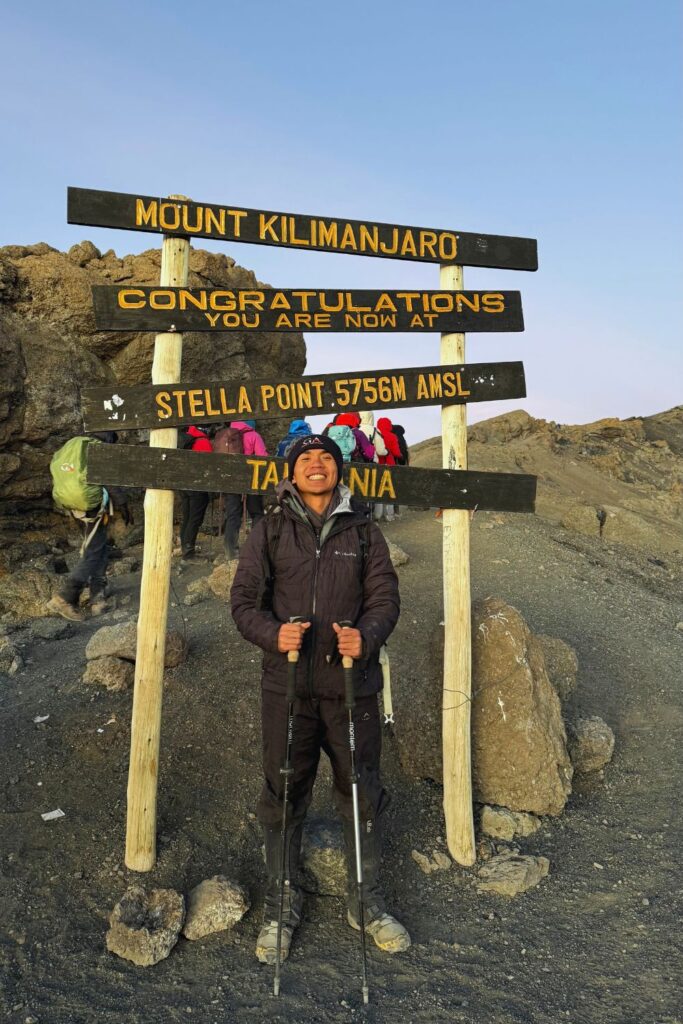
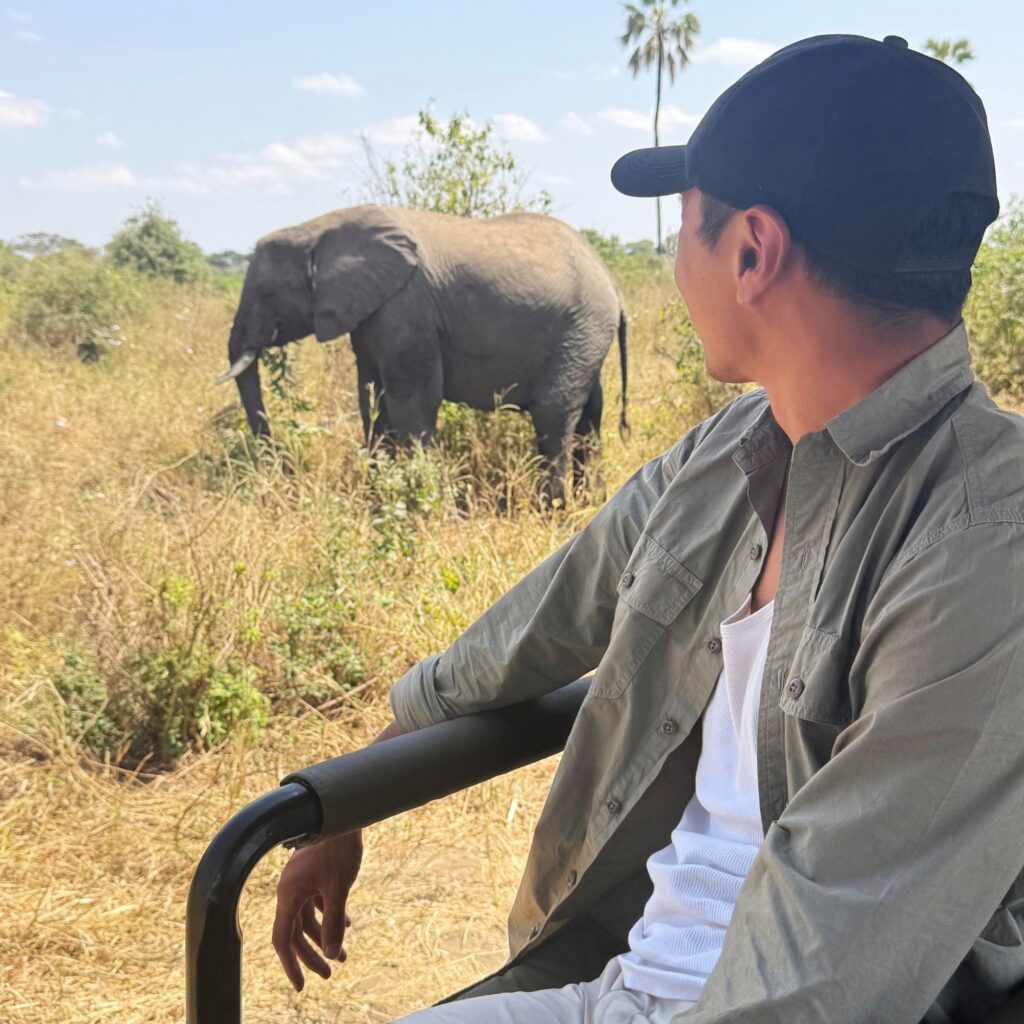
Table of Contents
East Africa Trip Cost at a Glance
My 5-week multi-country trip to East Africa as a solo traveler cost $9,503 ($272 per day), covering everything from flights to lodging to guided tours. Here’s the breakdown by category.
| Category | Sum | Percent | What This Includes |
|---|---|---|---|
| Tour Packages | $5,343 | 56% | Gorilla + golden monkey trek, Kilimanjaro climb, Tanzania safari, and Dire Dawa + Harar (Eastern Ethiopia) tour |
| Accommodations | $1,166 | 12% | Hotels booked outside of what a tour package already covered; mostly in Zanzibar and Addis Ababa |
| Flights | $796 | 8% | Flights connecting each country and award booking fees |
| Tips | $580 | 6% | Gratuity for guides, porters, drivers, and hotel staff |
| Activities | $510 | 5% | Kilimanjaro add-ons, food tours, city tours, entrance fees, boat cruises |
| Food | $353 | 4% | Meals not included in a tour package or hotel stays |
| Travel Fees | $343 | 4% | Visas and mandatory Zanzibar travel insurance |
| Incidentals | $259 | 3% | eSIMs, souvenirs, and one-off purchases |
| Transportation | $153 | 2% | Local rides and transfers not covered by a tour package; mostly getting around Zanzibar and Nairobi |
The big takeaway is that the major tours, rather than day-to-day expenses, drove most of my budget. Gorilla trekking, a week-long Kilimanjaro climb, and a multi-day safari accounted for a large portion of my total spending.
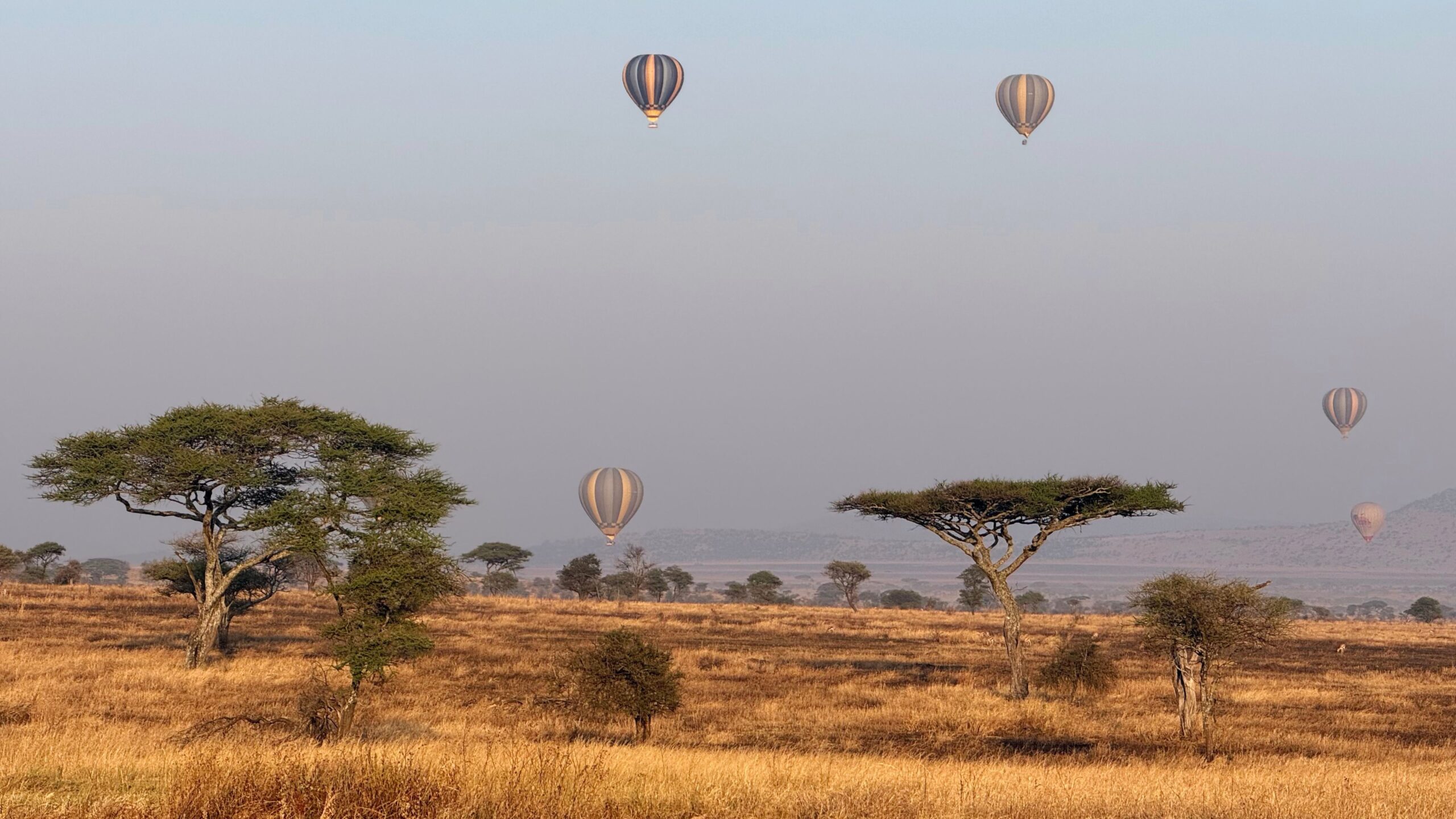
East Africa Trip Cost by Country
Here’s how my spending broke down across each destination. This gives you a general sense of how much I spent in each country and which experiences contributed the most to my budget.
Note that the totals in the following table exclude flights, since including them would distort the daily spending comparison. I break down my flight costs separately in the section titled How Much Do Flights Cost in East Africa?
| Destination | Days | Total Cost | Per Day | What Drove Up Cost |
|---|---|---|---|---|
| Ethiopia | 7 | $967 | $138 | Eastern Ethiopia (Dire Dawa and Harar) tour |
| Rwanda & Uganda | 6 | $2,463 | $411 | 4-day gorilla and golden monkey trekking tour |
| Tanzania | 20 | $5,120 | $256 | Kilimanjaro trek and the 4-day safari |
| Kenya | 2 | $157 | $79 | Cost is low because I didn’t do any big ticket experiences (e.g. safaris) |
Since tour packages made up a large portion of my budget, this table doesn’t necessarily reflect what you would spend on day-to-day expenses like food and transportation in each country.
I’ve broken those costs down separately below, but the short version is that my day-to-day spending was fairly similar across most destinations. Zanzibar was the main exception, with higher living expenses than the rest of my trip, typical of a beach destination.
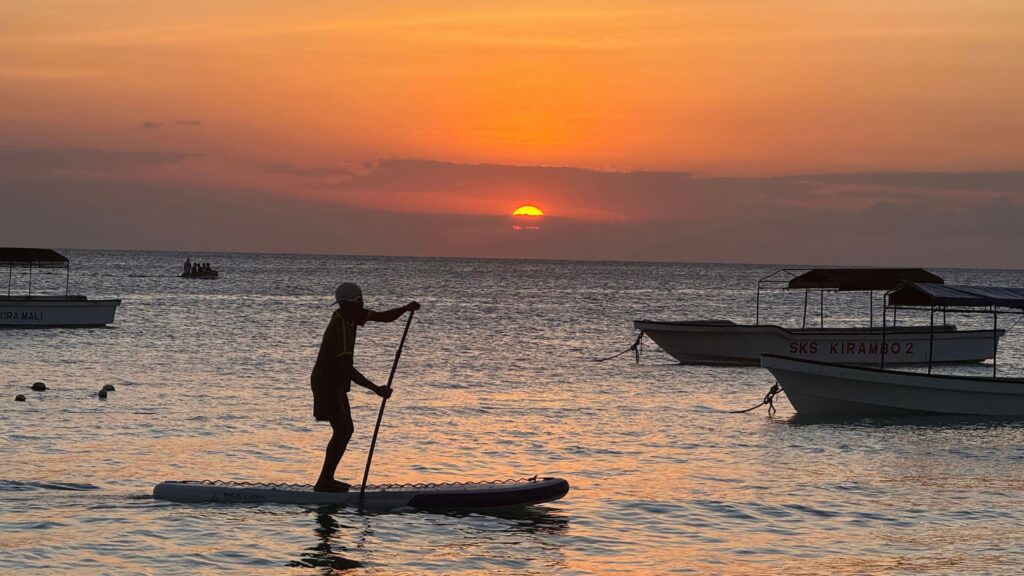
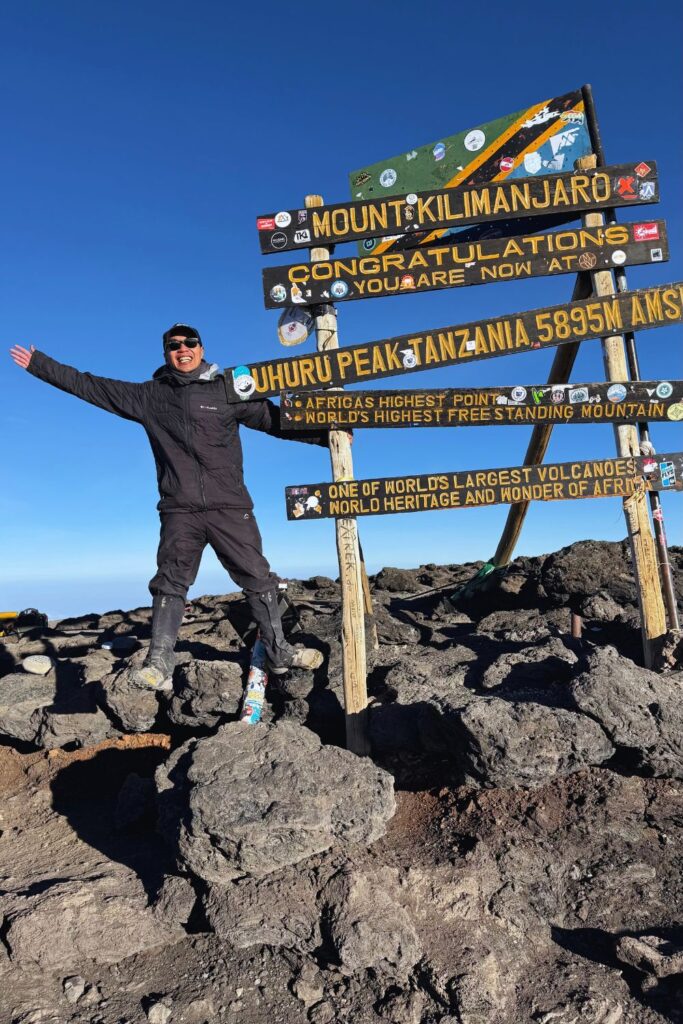
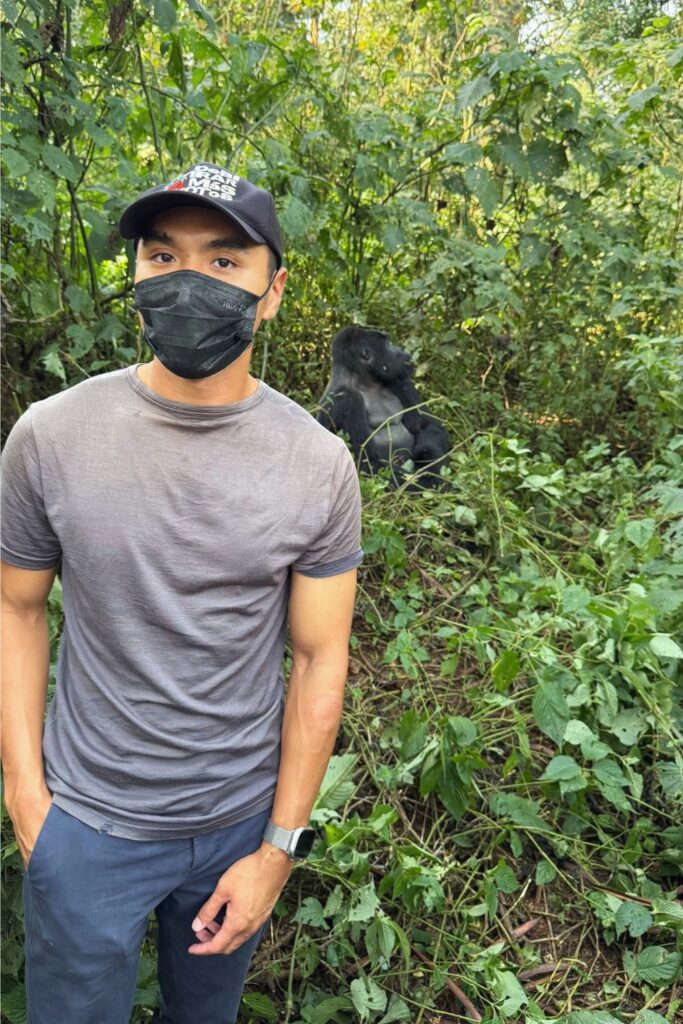
Cost of Gorilla Trekking, Kilimanjaro, and Safari
Gorilla trekking, Kilimanjaro, and safari, along with an Eastern Ethiopia tour, made up the bulk of my $9,503 budget. I booked each one as a tour package, and the table below shows a breakdown of what these packages included.
| Booking | Cost | What This Includes |
|---|---|---|
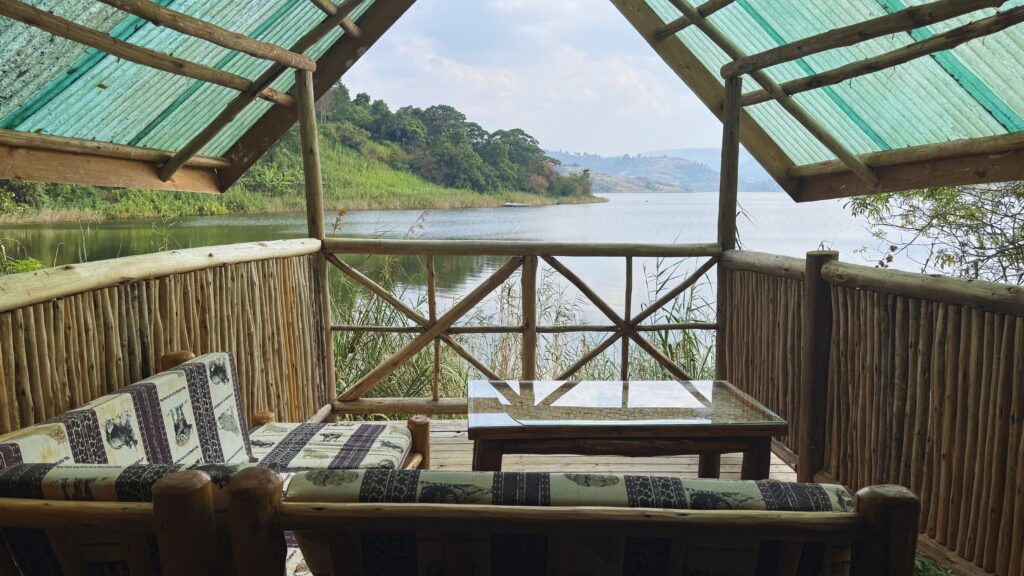
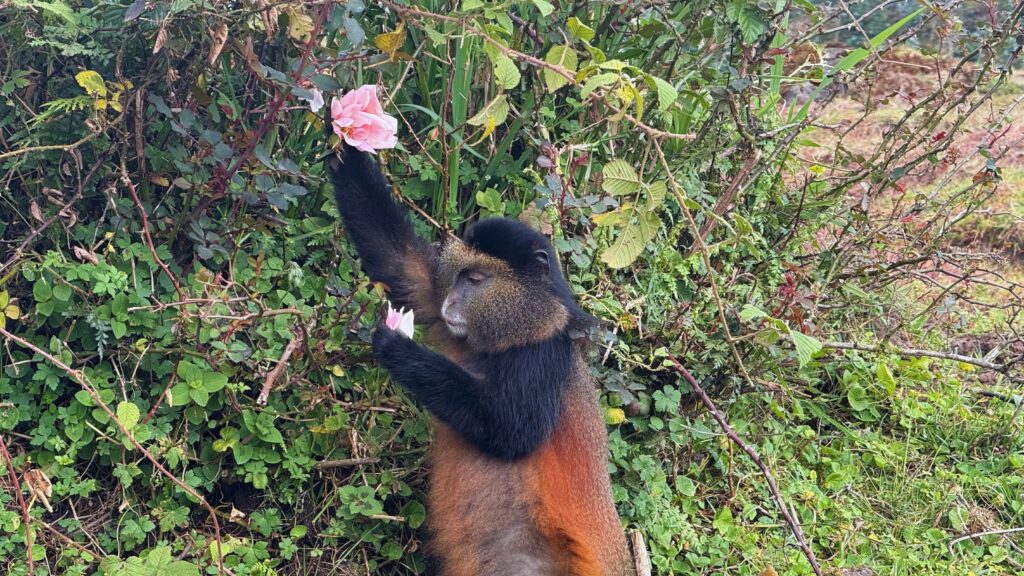
| Gorilla + Golden Monkey Trekking | $2,012 | 4-day private tour including gorilla trekking, golden monkey trekking, and a night on Lake Bunyonyi; half board |
| Kilimanjaro Trek | $2,171 | 7-day Lemosho route group climb: round-trip airport transfers, 2 nights hotel in Moshi, park fees, all meals on the mountain, mountain staff, camping gear, emergency oxygen, and a portable stretcher |
| Tanzania Safari | $800 | 4-day group tour (camping) across Tarangire, Serengeti, and Ngorongoro Crater: all accommodations and meals, open-roof 4WD safari vehicle, round-trip airport transfers, and a driver-guide |
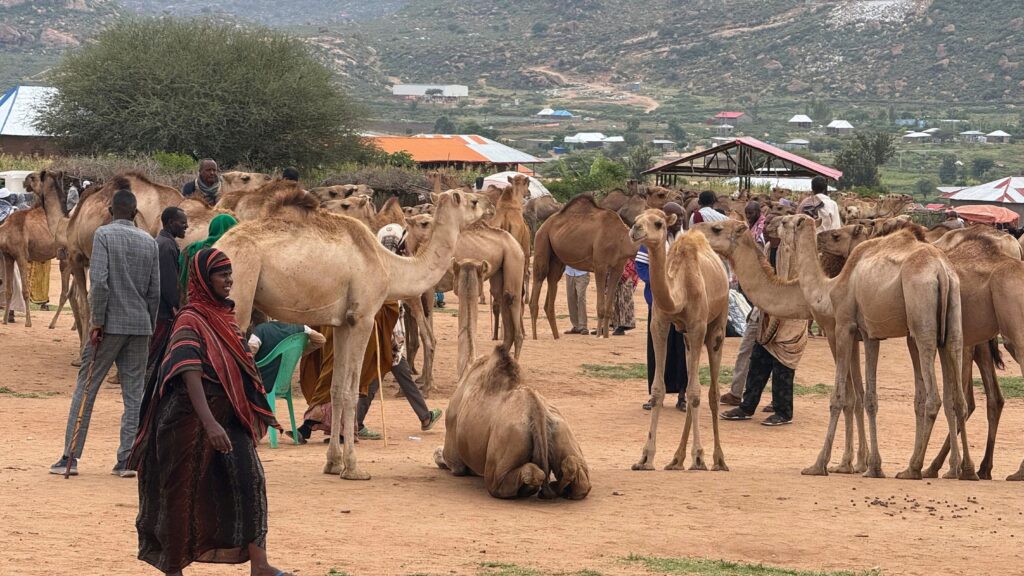
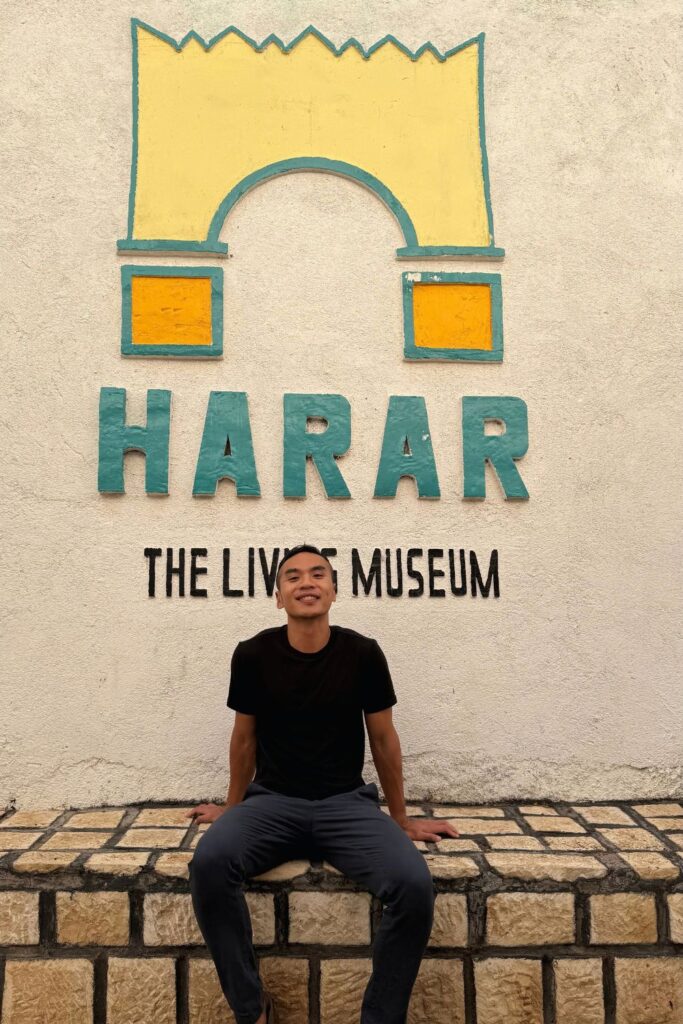
| Eastern Ethiopia Tour | $360 | 3-day private tour covering Dire Dawa city sights, Harar’s old town, the Babile camel market, and the Valley of Marvels; all accommodations and meals, entrance fees, and a local guide |
Not that the price listed in the table is just the base cost; it doesn’t account for things like gratuity, gear rentals, and other incidentals. For a full breakdown of everything I spent on these experiences, refer to:
How much does accommodation cost in East Africa?
I spent $1,166 on accommodation over 5 weeks, but that doesn’t tell the whole story. Of my 35 nights, 18 were included in my tour packages, including camping on Kilimanjaro and during my safari, as well as guesthouses and lodges during gorilla trekking and my Eastern Ethiopia tour.
That left 17 nights to book myself. I paid cash for 14 nights and used hotel points for the other three. I mainly stayed at 4- or 5-star properties, which was a deliberate choice. After sleeping in tents on Kilimanjaro and during my safari, I figured I had earned a few nights at a nice hotel.
The 14 nights I paid for totaled $1,166, or about $83 per night. If you’re looking to cut your accommodation costs, staying at 1- or 2-star hotels or hostels would bring this number down significantly.
| Accommodation | Location | Nights | Total | Per Night |
|---|---|---|---|---|
| Best Western Plus | Addis Ababa, Ethiopia | 3 | $248 | $83 |
| Grand Palace Hotel | Addis Ababa, Ethiopia | 2 | $125 | $63 |
| Zaria Court | Kigali, Rwanda | 2 | $155 | $78 |
| Salinero Hotel | Moshi, Tanzania | 1 | $80 | $80 |
| Mizingani Seafront Hotel | Stone Town, Zanzibar | 2 | $187 | $94 |
| Zenobia Beach Hotel | Nungwi, Zanzibar | 4 | $371 | $93 |
For the final three nights, I used 14,000 Marriott points and 10,500 Hyatt points. Without points, these two stays would have cost me $480 total: $166 in Kigali and $314 in Nairobi.
| Accommodation | Location | Nights | Total Points | Per Night |
|---|---|---|---|---|
| Four Points by Sheraton | Kigali, Rwanda | 1 | 14,000 | 14,000 |
| Hyatt House Westlands | Nairobi, Kenya | 2 | 10,500 | 5,250 |
Hotel points can go a long way in East Africa. I found that many properties can be redeemed for relatively few points, making them particularly valuable compared with their cash rates.
How much do flights cost within East Africa?
Regional flights in East Africa can be surprisingly expensive. Even short one- or two-hour flights can cost hundreds of dollars because few airlines fly these routes, so there isn’t much competition. I spent $751 and 23,500 points on my flights within Africa.
| Route | IATA | Cost |
|---|---|---|
| Addis Ababa ↔ Dire Dawa | ADD ↔ DIR | $204 (see pro tip) |
| Addis Ababa → Kigali | ADD → KGL | $34 + 17,500 miles |
| Kigali → Kilimanjaro | KGL → JRO | $98 + 6,000 miles |
| Arusha → Zanzibar | ARK → ZNZ | $210 |
| Zanzibar → Nairobi | ZNZ → NBO | $205 |
Pro tip: Ethiopian Airlines offers discounted fares on domestic flights if you fly Ethiopian Airlines internationally into or out of Ethiopia. For example, I got a 33% discount on my Addis Ababa ↔ Dire Dawa roundtrip because I had flown from Washington D.C. to Addis Ababa on Ethiopian Airlines. The original fare for the Dire Dawa flight was $305, but I only paid $204.
I used miles for two of my flights within Africa: Addis Ababa to Kigali and Kigali to Kilimanjaro. Without points, these flights would have cost me $769 in cash:
- Addis Ababa → Kigali: $450
- Kigali → Kilimanjaro: $319
What about my arrival and departure flights?
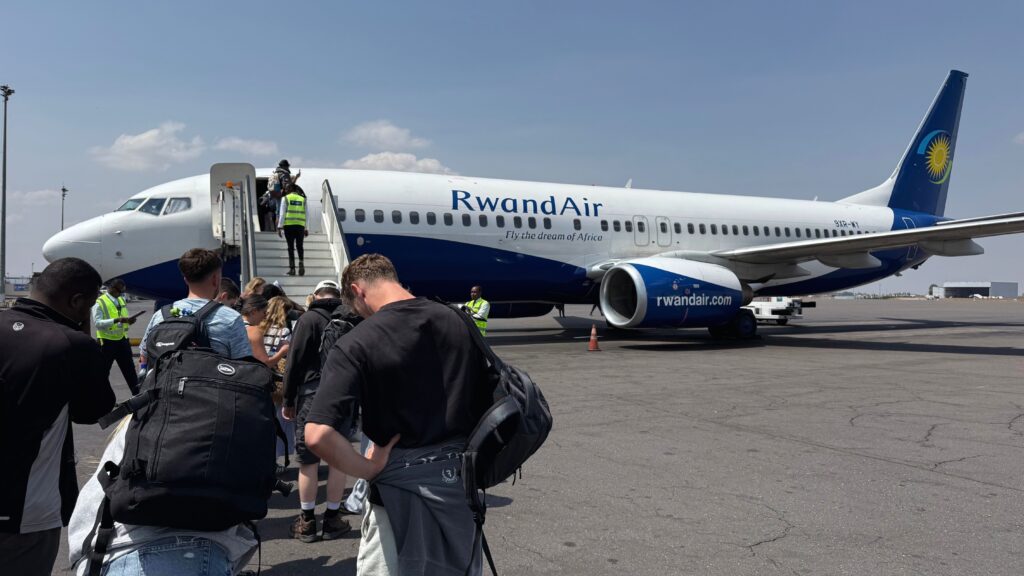
I used miles for both my flights into and out of East Africa, paying just $45 in award booking fees. This significantly reduced flight costs and helped keep the trip under $10,000.
Keep this in mind when building your own East Africa travel budget. If you have enough miles and points to cover a major international flight, it can significantly lower your trip cost. If you’re paying cash, plan to allocate more of your budget to flights.
Staying connected in East Africa
For Uganda, Tanzania, and Kenya, I used Airalo’s Africa Safari eSIM, which covered all three countries with a single plan. For Rwanda, I used Airalo’s Rwanda eSIM.
How much does transportation cost in East Africa?
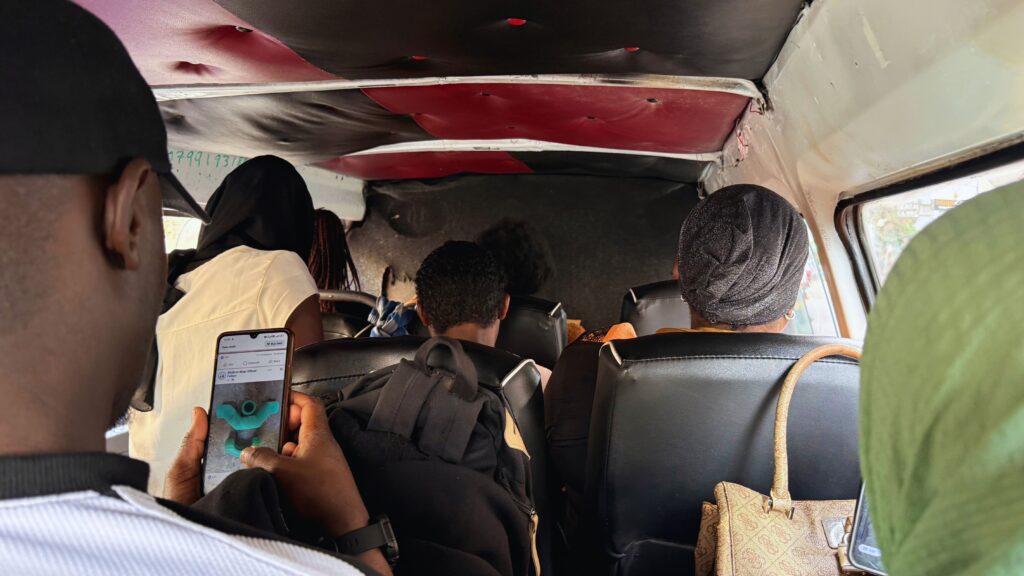
My out-of-pocket transportation costs were just $153. This number looks unusually low because most of my major transportation was already included in the tour packages. The $153 mainly covered airport transport and local rides in big cities like Addis Ababa, Kigali, and Nairobi.
These were the typical prices I paid for rides during my trip.
| Location | Mode of Transport | Typical Costs |
|---|---|---|
| Addis Ababa, Ethiopia | RIDE 8294 | $3-5 |
| Kigali, Rwanda | Move Share Moto-taxi hailed off the street | $3-5 for Move Share $1-3 for moto-taxi |
| Nairobi, Kenya | Uber (car) Uber (moto-taxi) | $5-10 for Uber car $1-3 for Uber moto-taxi |
| Zanzibar, Tanzania | Taxi | $10 from airport to Stone Town $35 from Stone Town to Nungwi |
Rideshare is readily available in Addis Ababa, Kigali, and Nairobi through the apps listed in the table. In Kigali, though, I found it easier to simply hail a moto-taxi off the street. In Zanzibar, there’s a taxi stand outside the airport where you can arrange a ride to your destination. For the trip from Stone Town to Nungwi, I arranged transportation through my hotel.
How much do meals cost in East Africa?
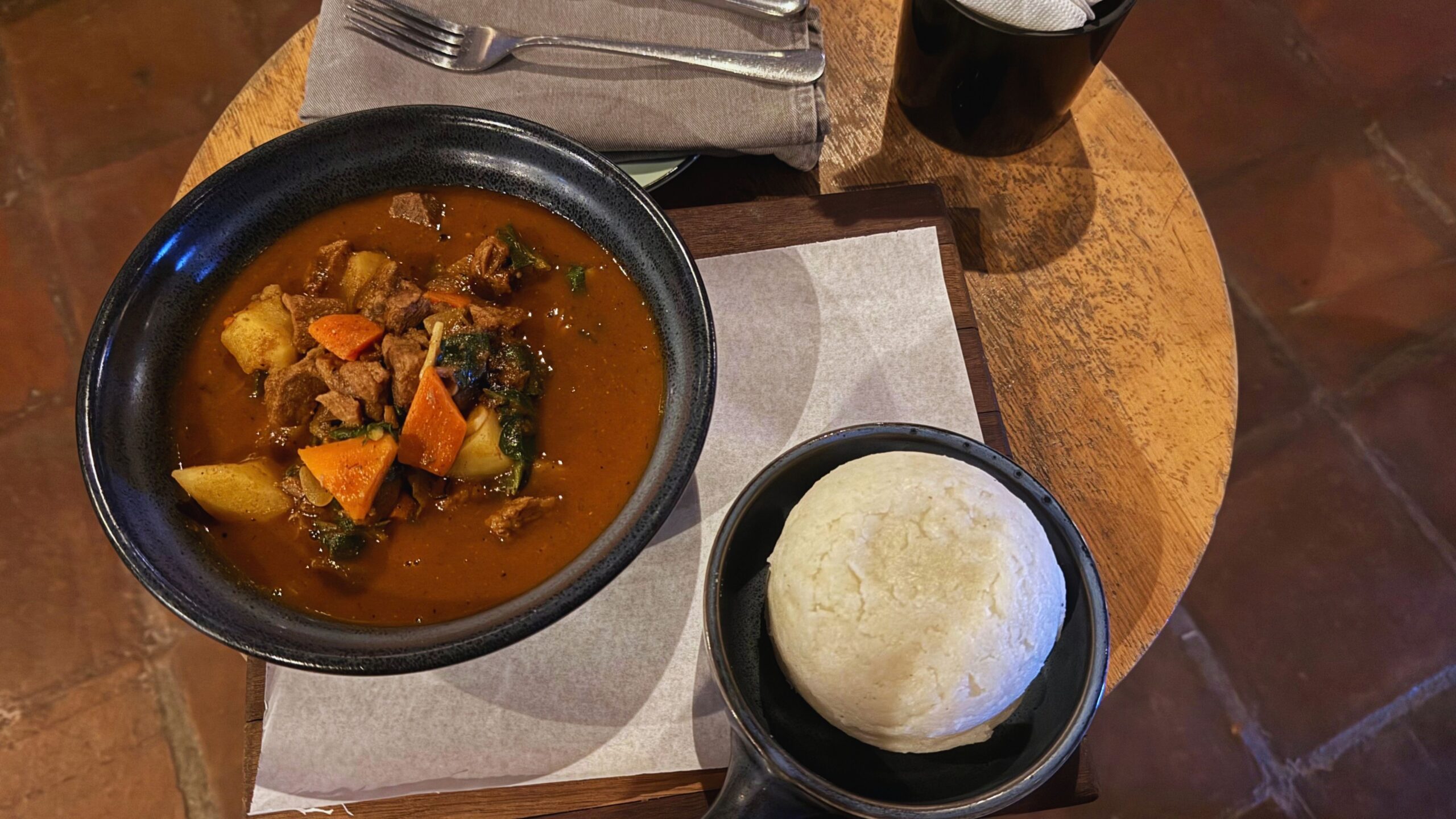
I spent $353 on food over 35 days. Again, a large portion of my meals were included in my tour packages. Outside of those tours, I generally ate at local restaurants, grabbed street food, and took advantage of free hotel breakfasts.
Based on my experience, these are the prices you can generally expect to pay:
- Street food: $3–5
- Local food: $5–10
- International food: $10–30
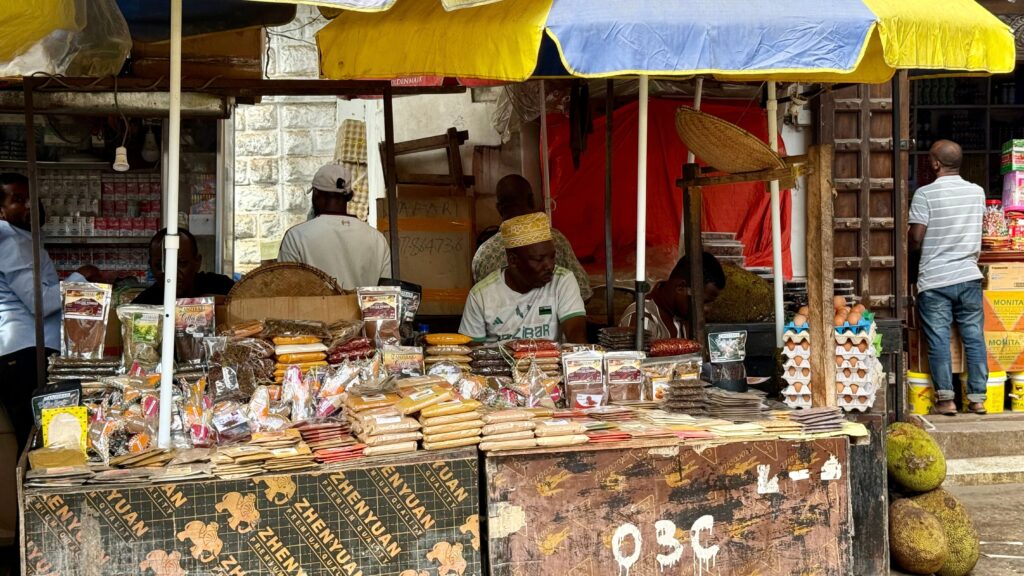
My cheapest meal was a $3 street food dinner at Forodhani Night Market in Stone Town, while my most expensive was a $33 seafood dinner at a nicer Italian restaurant in Nungwi.
How much do visas and travel fees cost in East Africa?
I spent $343 on travel-related fees, including visas and mandatory travel insurance for Zanzibar.
| Travel authorization | Cost | My Processing Time |
|---|---|---|
| Ethiopia eVisa | $62 | 1 day |
| East Africa Tourist Visa | $100 | 1 day |
| Tanzania visa | $102 | 12 days |
| Kenya eTA | $35 | 1 day |
| Zanzibar Travel Insurance | $44 | 1 day |
Important: The information above reflects the visa and entry requirements in place when I traveled and applies to U.S. citizens traveling on a U.S. passport. Requirements can change, so always check the latest guidance from the relevant government or embassy before your trip. Processing times are based on my personal experience and may vary.
How much should you tip in East Africa?
I spent $580 on tips during my 5-week East Africa trip. The vast majority went toward the four tour packages I booked, where tipping guides, drivers, porters, and other tour staff is generally expected. I gave $478 across these four tours:
| Booking | Tour Length | Who I Tipped | Tip Amount |
|---|---|---|---|
| Kilimanjaro Trek | 7 days | Mountain crew | $333 |
| Tanzania Safari | 4 days | Driver-guide & chef | $70 |
| Gorilla + Golden Monkey Trekking | 4 days | Driver | $40 |
| Eastern Ethiopia Tour | 3 days | Tour guide & driver | $35 |
The remaining $102 went toward smaller tips throughout the trip, including hotel staff, rideshare drivers, and guides for one-off activities.
If you’re budgeting for an East Africa trip, set aside money specifically for tips. The amount can add up quickly when you’re doing experiences like Kilimanjaro, safaris, and gorilla trekking.
How much should you tip for Kilimanjaro?
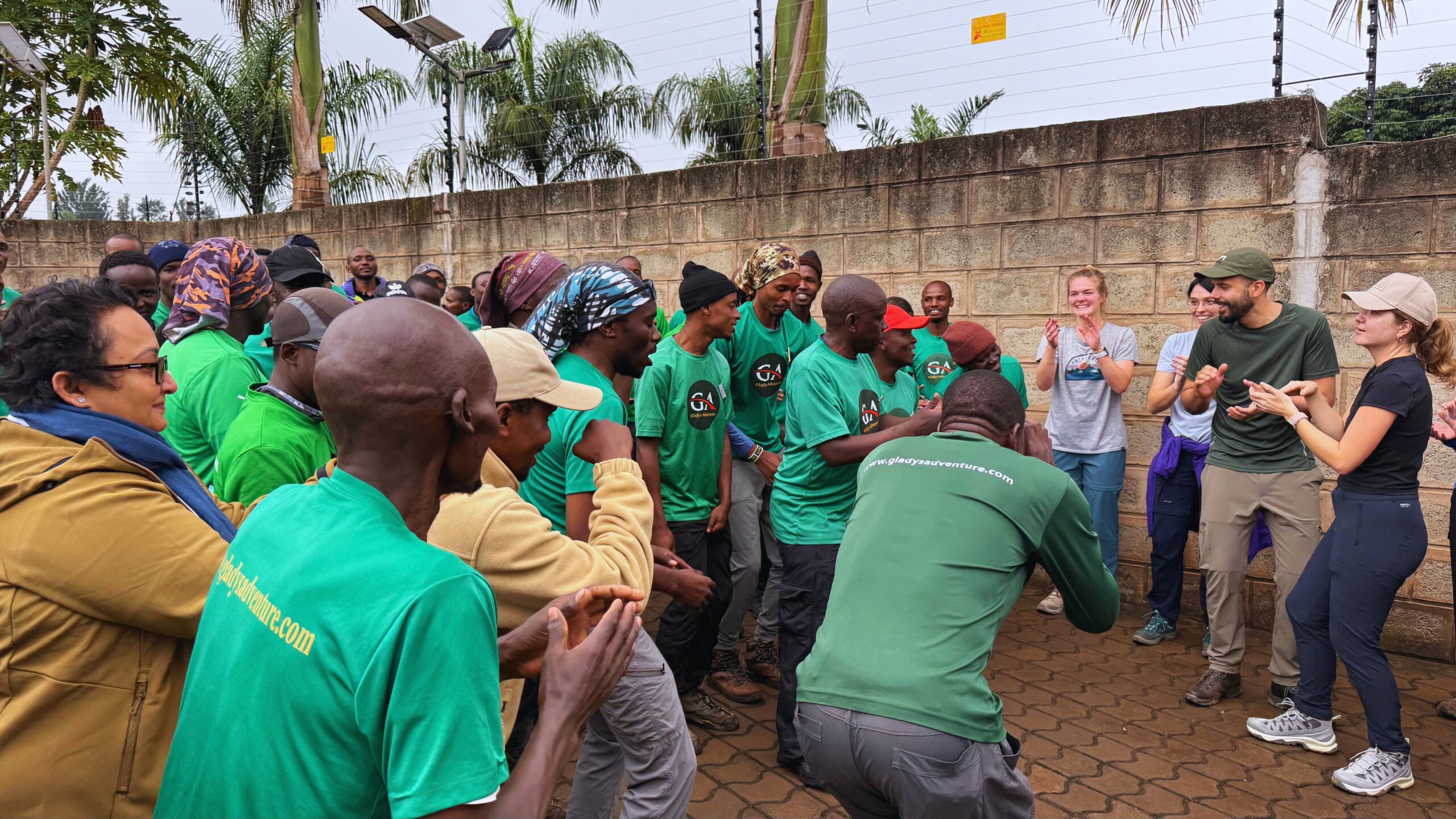
Tipping is a big topic, and I’ve written a separate guide covering the process in detail. But to summarize, you should budget around 10–15% of the cost of your trek for tips, which are typically distributed among your guides, porters, cooks, and other mountain crew. The exact amount depends on the size of your crew, the length of your trek, and the level of service you receive. For my Kilimanjaro trek, I tipped $333, which is 15% of the total cost.
How much should you tip for a budget safari?
The safari company I booked with recommended tipping $15–20 per day. I tipped $70 for my four-day safari, which is about $17 per day. You typically give the tip to your driver-guide, who then distributes a portion to the chef.
Is $10,000 enough for an East Africa trip?
That depends on your travel style and what you want to do. For me, it was enough. I spent $9,503 over 35 days, and that included some of the most expensive experiences on an East Africa itinerary: gorilla trekking, a seven-day Kilimanja/ro climb, and a four-day Tanzania safari. However, there are two important caveats.
Caveat 1: The $10,000 budget worked for my travel style.
I was intentional about where I wanted to splurge and where I wanted to save. I knew I wanted to spend most of my budget on bucket-list experiences like gorilla trekking, climbing Kilimanjaro, and going on safari.
At the same time, I looked for ways to keep those experiences affordable. I joined group tours for both Kilimanjaro and my safari, and I chose basic camping for the safari instead of paying for a luxury lodge. Those choices aren’t going to work for everyone.
If you book private safaris, luxury lodges, and premium trekking operators, you can easily spend more than $10,000. On the other hand, if you aren’t interested in these big-ticket experiences, you can skip them altogether and travel through East Africa for considerably less.
Caveat 2: I kept the trip under $10,000 with points and miles
I used miles for my international flights into and out of East Africa and hotel points for several nights, which significantly reduced my out-of-pocket costs. Without those redemptions, my total would have been higher.
If I had paid cash for everything, I estimate this 5-week trip would have cost around $12,000 instead of $9,503. So while I was able to keep my actual spending under $10,000, travelers paying cash for flights and hotels should build a larger cushion into their budget.
What to Read Next: In-Depth East Africa Travel Guides
Planning your own East Africa adventure? These guides go deeper into the biggest experiences and expenses from my trip:
- 5-Week East Africa Itinerary: Gorilla Trekking, Kilimanjaro, Safari, and More: See how I structured 35 days across five countries, including gorilla trekking, Kilimanjaro, a Tanzania safari, Zanzibar, and Ethiopia.
- 7-Day Lemosho Route: My Experience Climbing Kilimanjaro with Gladys Adventures: See what the 7-day Lemosho Route was actually like, from the first day on the mountain through reaching Uhuru Peak.
- Kilimanjaro Cost Breakdown: How I Spent $2,908 on the Lemosho Route: A detailed look at what I paid for the trek, including the tour, tips, gear rental, insurance, and other expenses.
- How to Book a Budget Tanzania Safari: Complete Cost & Planning Guide: Learn how to compare safari operators, choose a route, and plan a budget-friendly safari.
- 4-Day Tanzania Budget Safari: My Experience with Suricata Safaris: A day-by-day look at my $950 camping safari through Tarangire, Serengeti, and Ngorongoro Crater.
Frequently Asked Questions
What currency is used in East Africa?
East Africa doesn’t use a single currency. Ethiopia uses the Ethiopian birr, Rwanda uses the Rwandan franc, Uganda uses the Ugandan shilling, Tanzania uses the Tanzanian shilling, and Kenya uses the Kenyan shilling. U.S. dollars are also useful for tours, tips, and some tourist-oriented businesses, so I carried USD in addition to local currency.
Can I use credit cards in East Africa?
Credit cards are accepted in East Africa, but cash is still prevalent. I found cards were mainly useful at larger hotels, established businesses, and tour operators. Smaller restaurants, markets, and shops often required cash. Some businesses also add a surcharge for credit card payments, so it’s a good idea to carry cash.
What expenses are easiest to underestimate in an East Africa budget?
Tips can add up quickly, especially on multi-day experiences like Kilimanjaro, gorilla trekking, and safaris, where you’re tipping guides, drivers, porters, and other staff. I set aside a separate tip budget rather than treating it as an afterthought. Visas and other travel authorizations can also sneak up on you, especially if you’re visiting multiple countries in East Africa.
Is it cheaper to book East Africa tours in advance?
For experiences with limited availability, I would plan ahead rather than rely on finding a last-minute deal. Gorilla trekking permits and Kilimanjaro climbs require advance planning, while safari options are generally more flexible. I booked all three ahead of time. Booking earlier also gives more time to compare operators and decide where to spend and save.
How far in advance should I plan a multi-country East Africa trip?
I’d start planning several months ahead, particularly if gorilla trekking or Kilimanjaro is part of the itinerary. Those experiences helped determine my dates and route, so I planned the rest of the trip around their availability rather than booking the entire itinerary first and trying to fit them in later.