When I started planning for East Africa, figuring out the activities was the easy part. Gorilla trekking in Uganda, climbing Kilimanjaro, going on a safari, and relaxing on the beaches of Zanzibar were all high on my list. What made this itinerary hard was piecing it all together.
That meant connecting five countries without constantly backtracking, deciding which cities made the best starting and ending points, figuring out how visas affected the route, and working limited-availability experiences into the itinerary.
After hours of researching flights, visas, routes, and activity availability, I eventually landed on this 5-week East Africa itinerary covering Ethiopia, Rwanda, Uganda, Tanzania, and Kenya.
I traveled this route in June and July 2026, and it gave me a great mix of culture, hiking, wildlife, and beach time. For a first trip to East Africa, this itinerary offered plenty of variety while keeping the logistics manageable.
In this East Africa travel guide, I’ll walk you through how I planned the route, how I got around, how much I spent, and the practical details I wish I’d known before taking the trip.
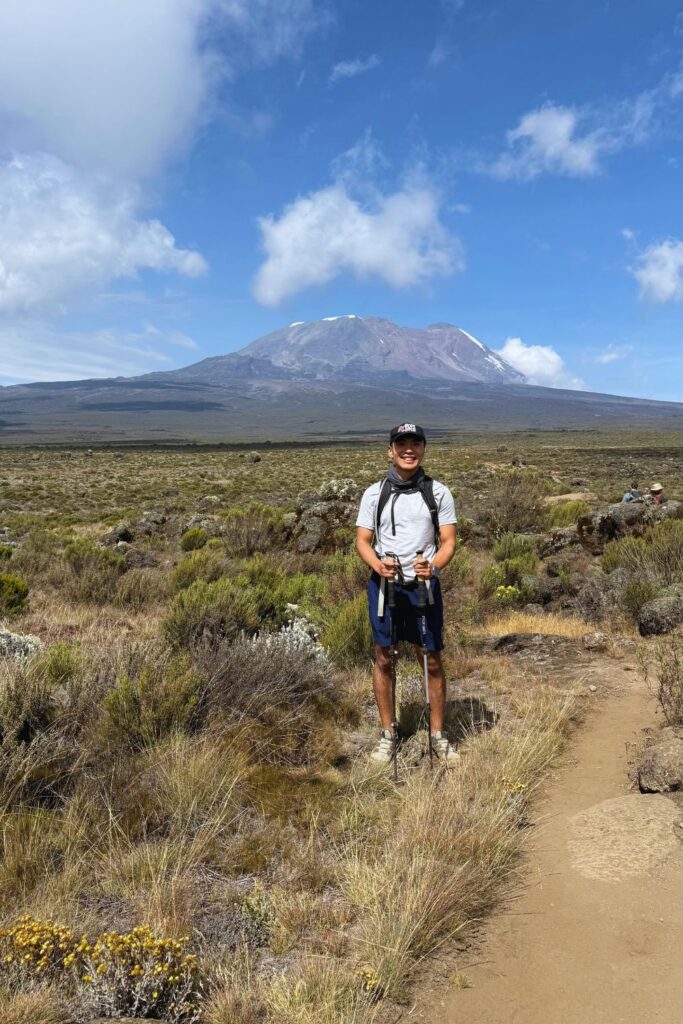
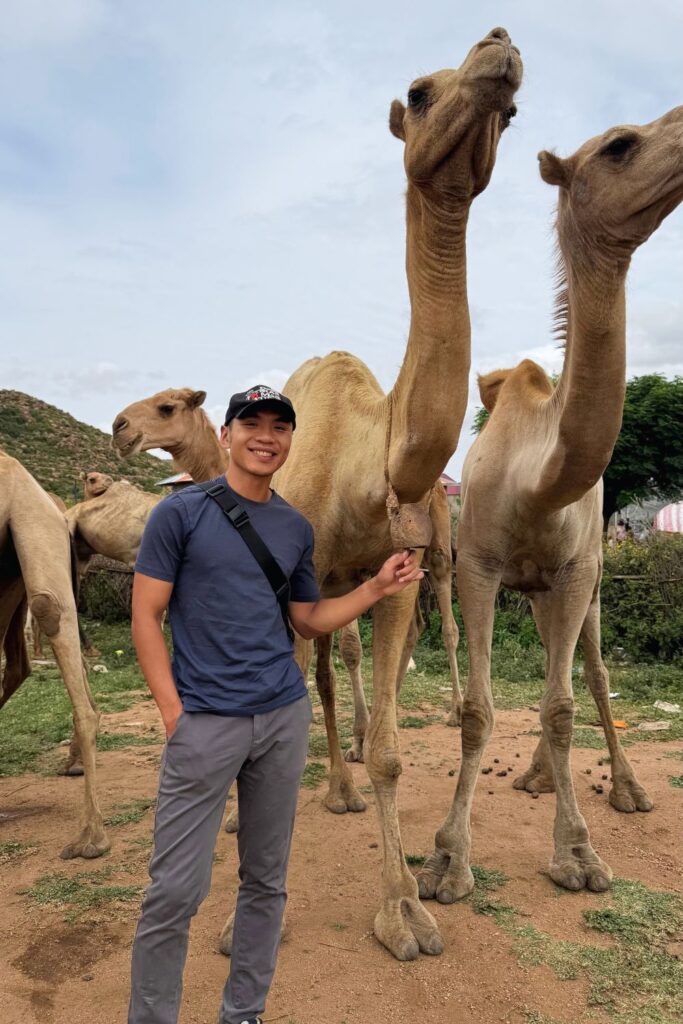
Table of Contents
5-Week East Africa Itinerary Overview
This 5-week East Africa trip covers five countries and combines independent travel with organized tours.
The route starts in Ethiopia, with time in Addis Ababa, Dire Dawa, and Harar before heading to Rwanda and Uganda for gorilla and golden monkey trekking.
From there, the route continues to Tanzania to climb Kilimanjaro, followed by four days of safari across the Serengeti, Ngorongoro Crater, and Tarangire National Park.
The trip then winds down in Zanzibar with time in Stone Town and Nungwi before ending with a quick stop in Nairobi, Kenya.
I traveled independently in cities like Addis Ababa, Zanzibar, and Nairobi, while using guided tours for experiences that require more logistics, such as gorilla trekking, Kilimanjaro, and safari.
To see a step-by-step process of how I pieced together this East Africa itinerary, refer to my 5-step planning framework.
| Days | Country | Stops | Highlights |
|---|---|---|---|
| 1-7 | Ethiopia | Addis Ababa, Harar, Dire Dawa | Food tour, coffee ceremony, Jugol walled city, hyena feeding |
| 8-13 | Rwanda & Uganda | Kigali, Bwindi, Lake Bunyonyi, Volcanoes NP | Gorilla trekking, golden monkey trekking, Kigali Genocide Memorial |
| 14-23 | Mainland Tanzania | Moshi, Kilimanjaro NP | 7-day Lemosho route climb |
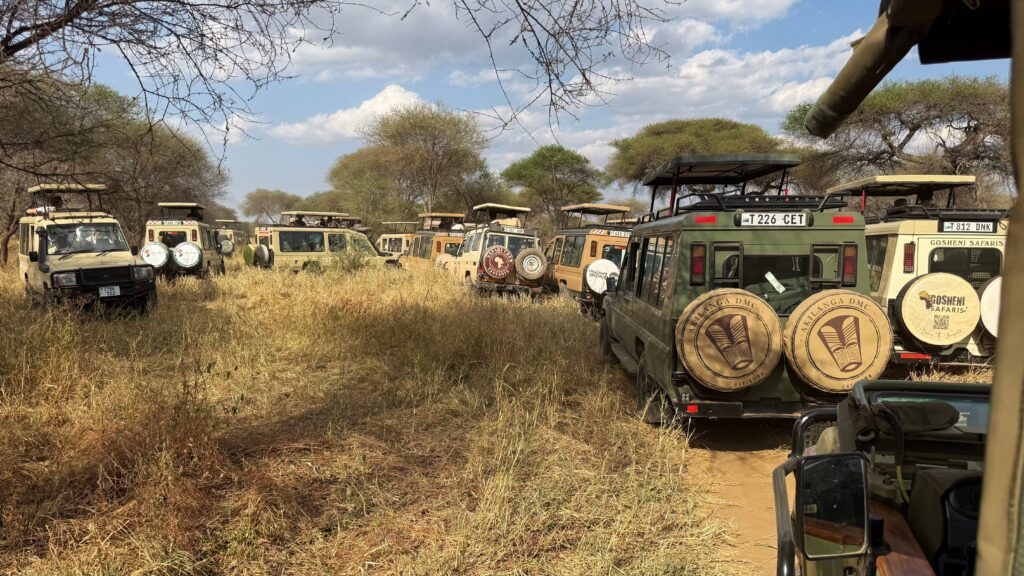
| 24-27 | Mainland Tanzania | Serengeti, Ngorongoro, Tarangire | Big cats, black rhino, elephant herds |
| 28-33 | Zanzibar | Stone Town, Nungwi | Beaches, dhow cruise, street food |
| 34-35 | Kenya | Nairobi | Giraffe Centre, Kibera tour |
Ethiopia (7 nights)
This East Africa trip starts in Addis Ababa, Ethiopia’s capital. It’s a cosmopolitan and modern city, with upscale restaurants, international hotels, hip coffee shops, and a bustling nightlife. After a long journey, it gives you a chance to adjust to the region before the more adventurous parts of the itinerary begin.

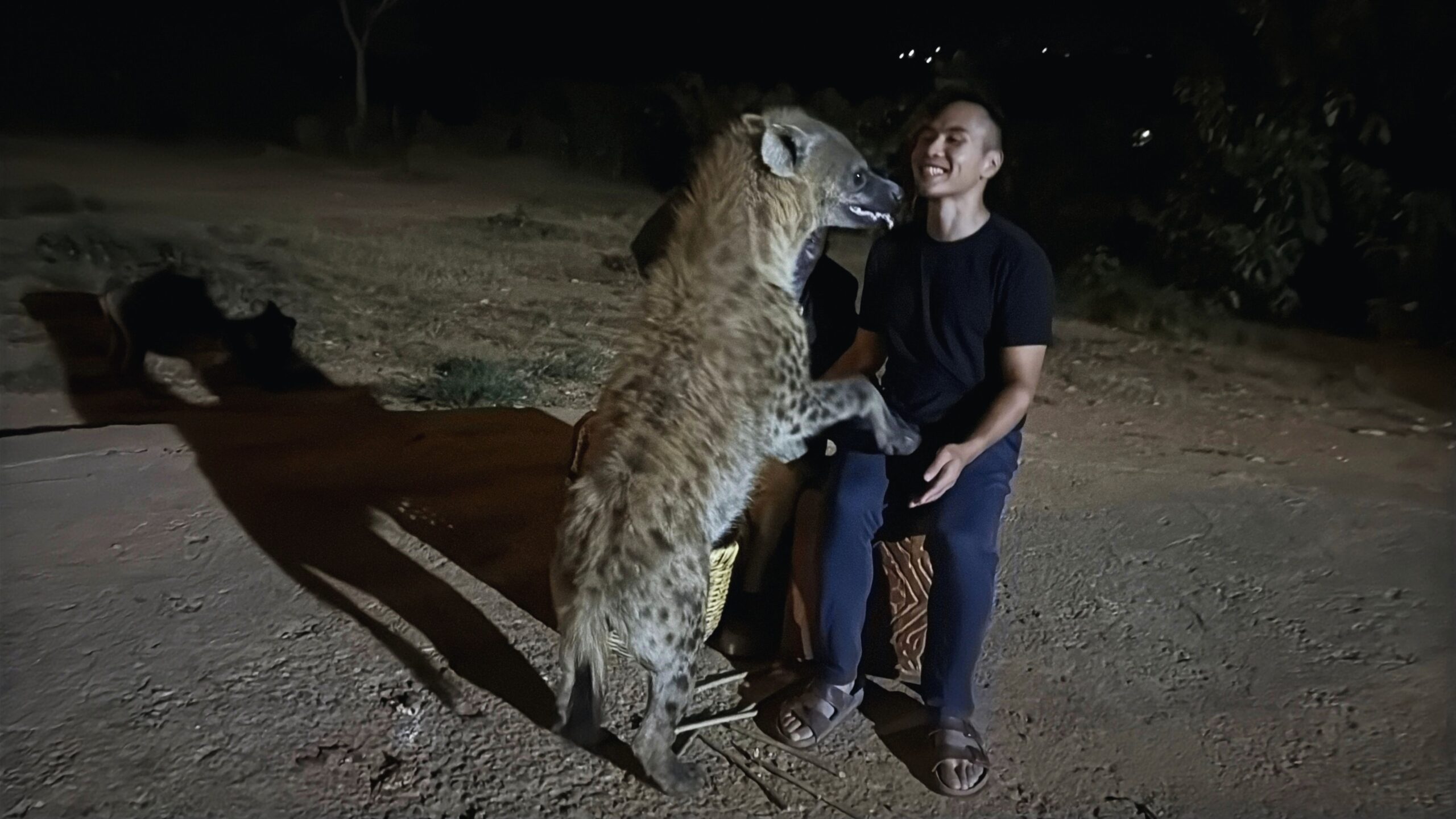
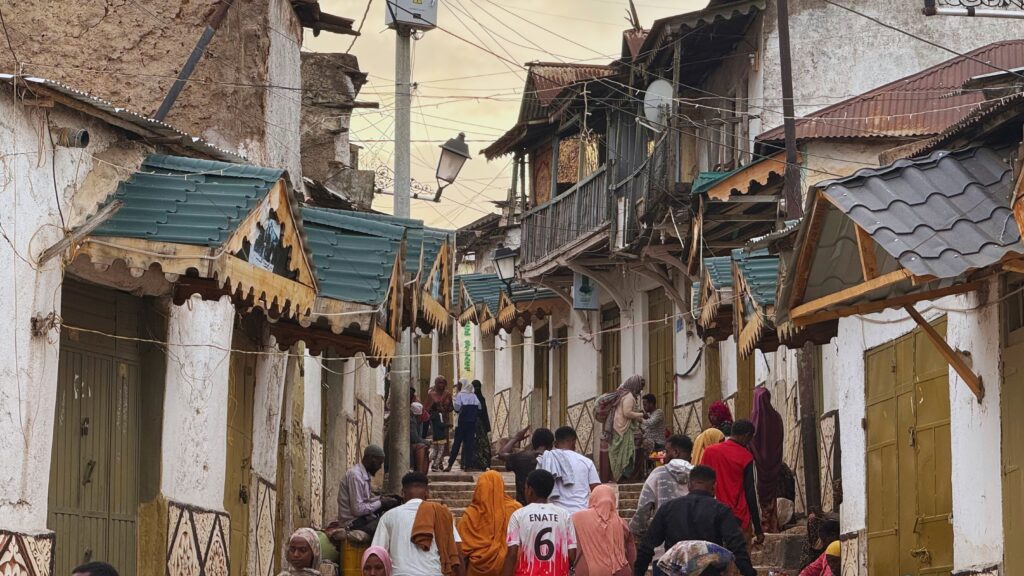
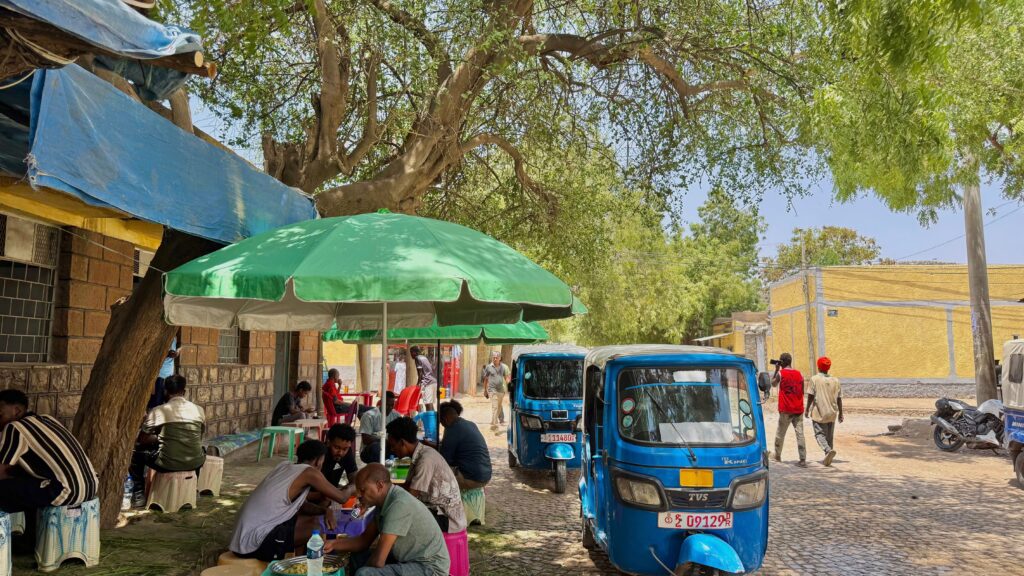
From there, the route heads east to Dire Dawa and Harar, two cities that show a very different side of Ethiopia. Dire Dawa is known for its colorful French-influenced architecture and lively markets, while Harar is home to an ancient walled city shaped by centuries of Islamic history. The city is also famous for its unique tradition of feeding wild hyenas at night.
Rwanda & Uganda (6 nights)
This leg starts in Kigali, Rwanda’s capital. The first stop is one I wouldn’t skip: the Kigali Genocide Memorial. It’s a heavy few hours, but I found it important to understand what Rwanda has experienced and how that history continues to shape the country today.
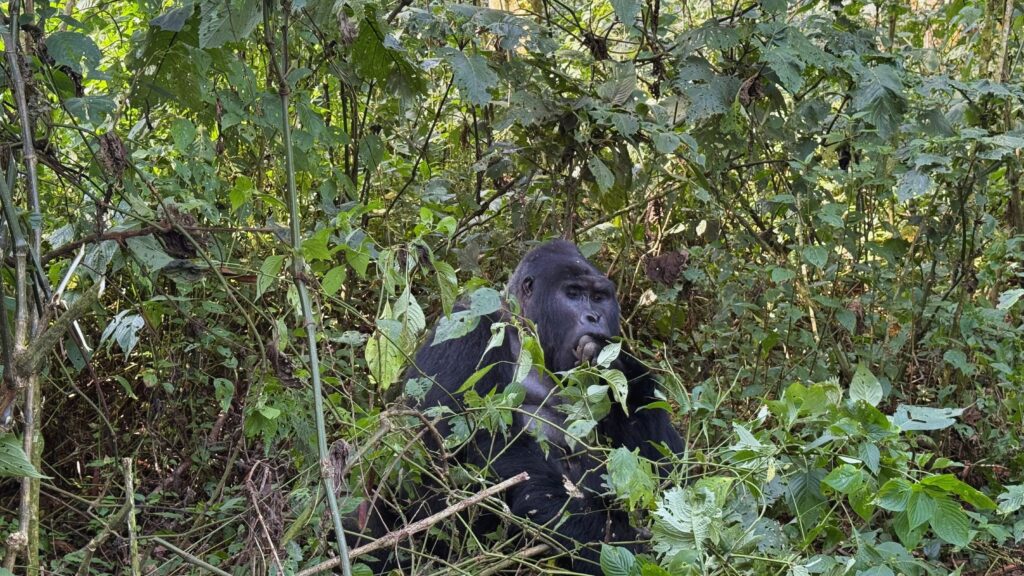
From Kigali, the route continues into Uganda’s Bwindi Impenetrable Forest, where the main attraction is gorilla trekking. The trek involves hiking deep into the jungle to come face-to-face with a family of mountain gorillas in their natural habitat.
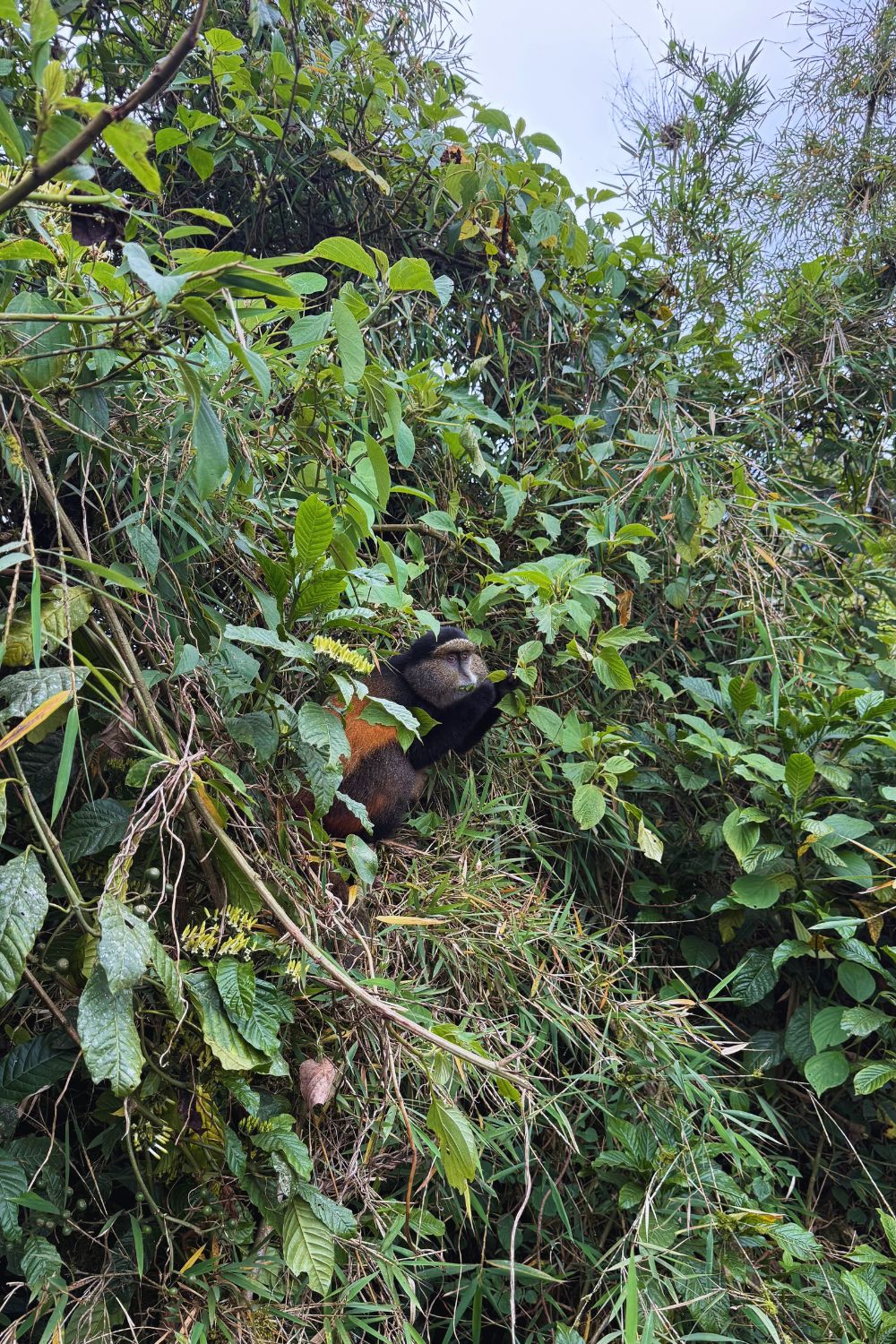
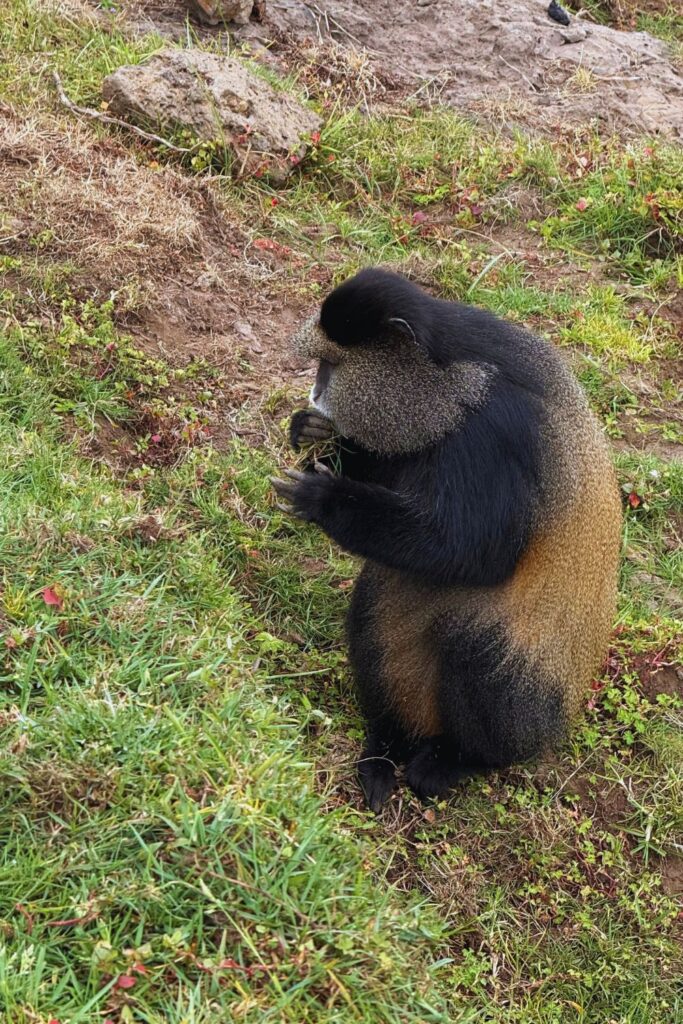
The route then crosses back into Rwanda for a golden monkey trek in Volcanoes National Park. This hike is shorter and less demanding than the trek in Bwindi, making it a good final adventure before leaving the region and continuing toward Kilimanjaro.
Climbing Mount Kilimanjaro (10 nights)
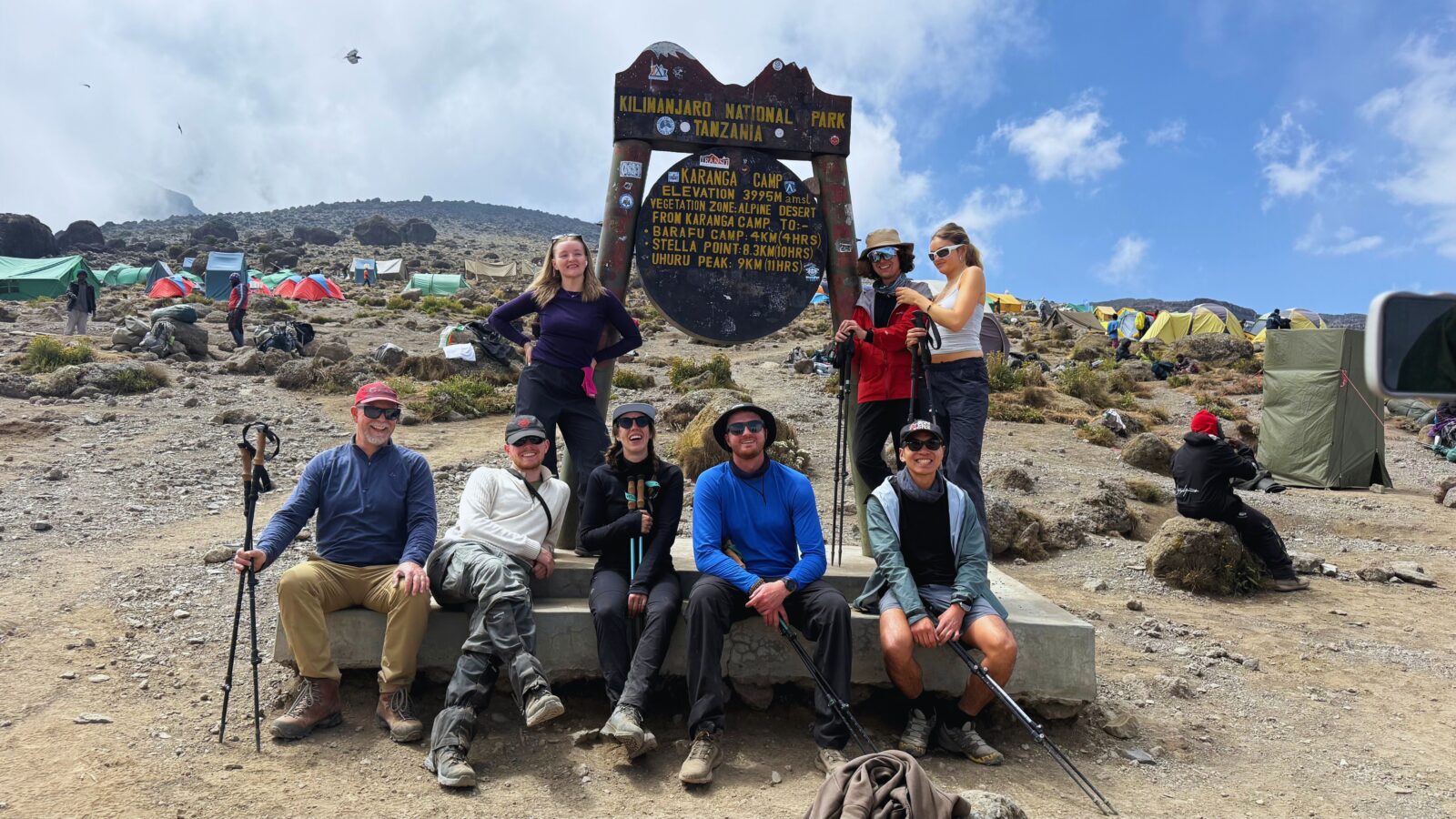
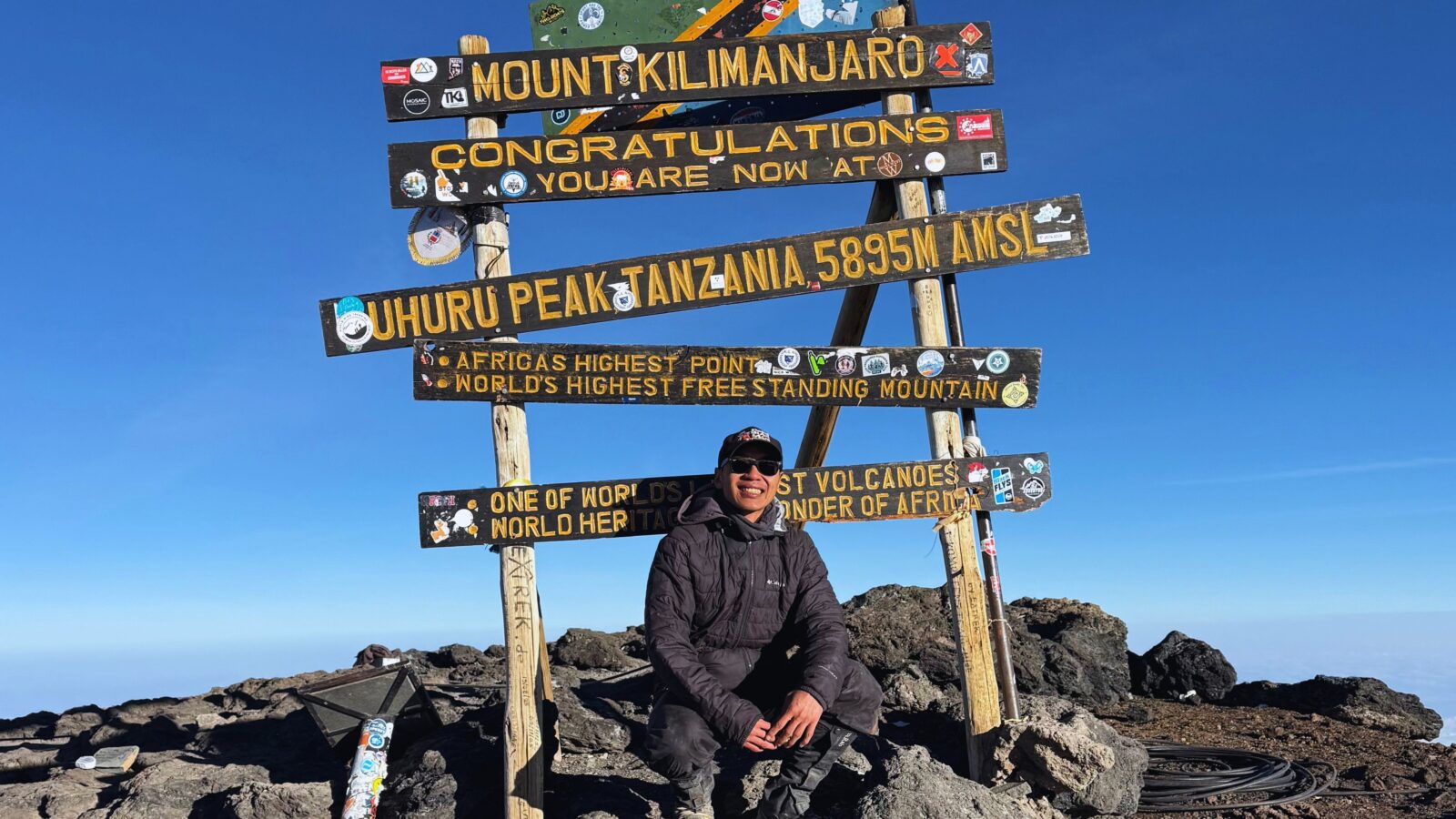
Next up is Mount Kilimanjaro, the highest mountain in Africa and the highest free-standing mountain in the world. It was the most physically demanding experience of my time in East Africa, but also incredibly rewarding.
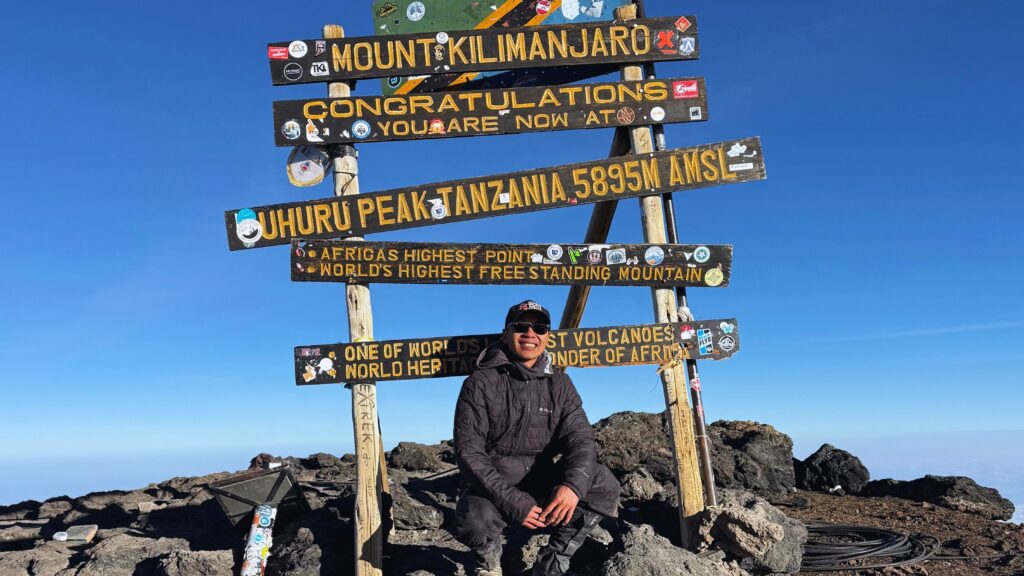
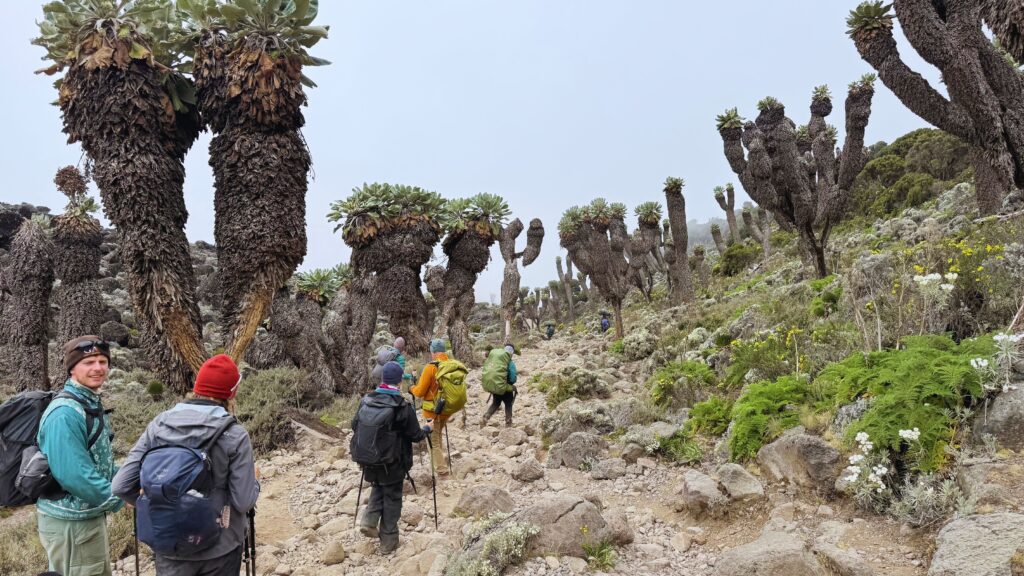
I chose the 7-day Lemosho Route, which allows more time to acclimatize before summit night. Most days were challenging but manageable, with the real test coming on the final night as we hiked through the darkness for hours toward Uhuru Peak. After nearly a week on the mountain, reaching the summit was an unforgettable way to cap the experience.
In total, I spent 10 nights in the Kilimanjaro portion of the itinerary, including my nights in Moshi before and after the 7-day climb. If you’re considering the same climb, I broke down exactly what I spent in my Kilimanjaro cost breakdown, including how much I spent on the climb itself, tips, gear rental, insurance, and other expenses.
I also documented the full Kilimanjaro experience, from the first day on the trail through summit night.
Northern Tanzania Safari (4 nights)
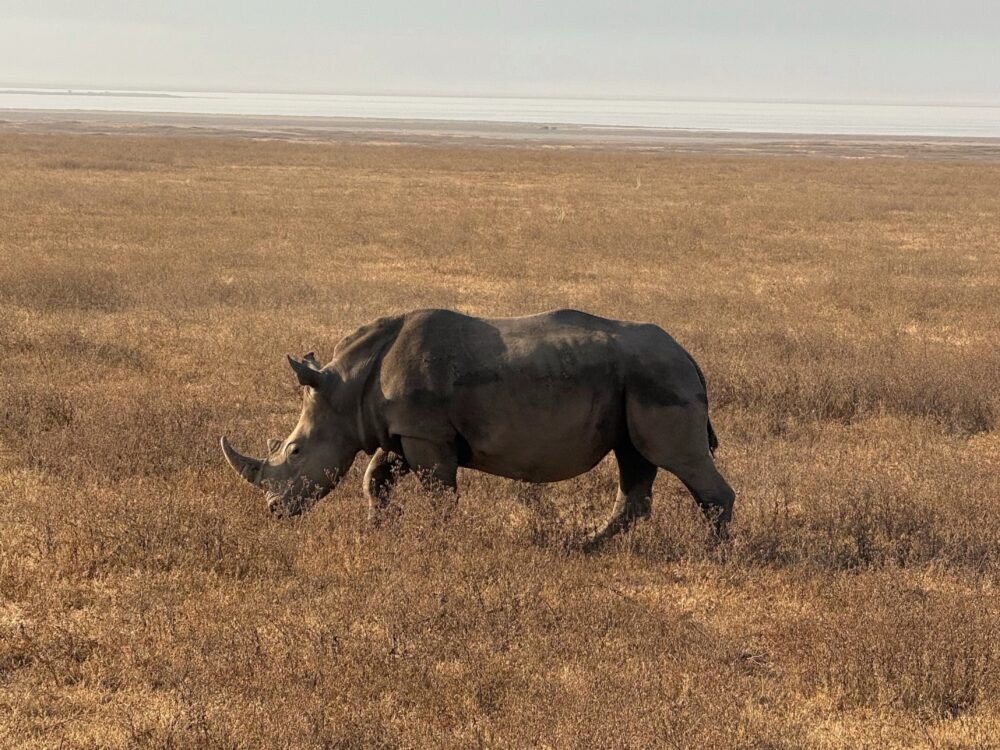
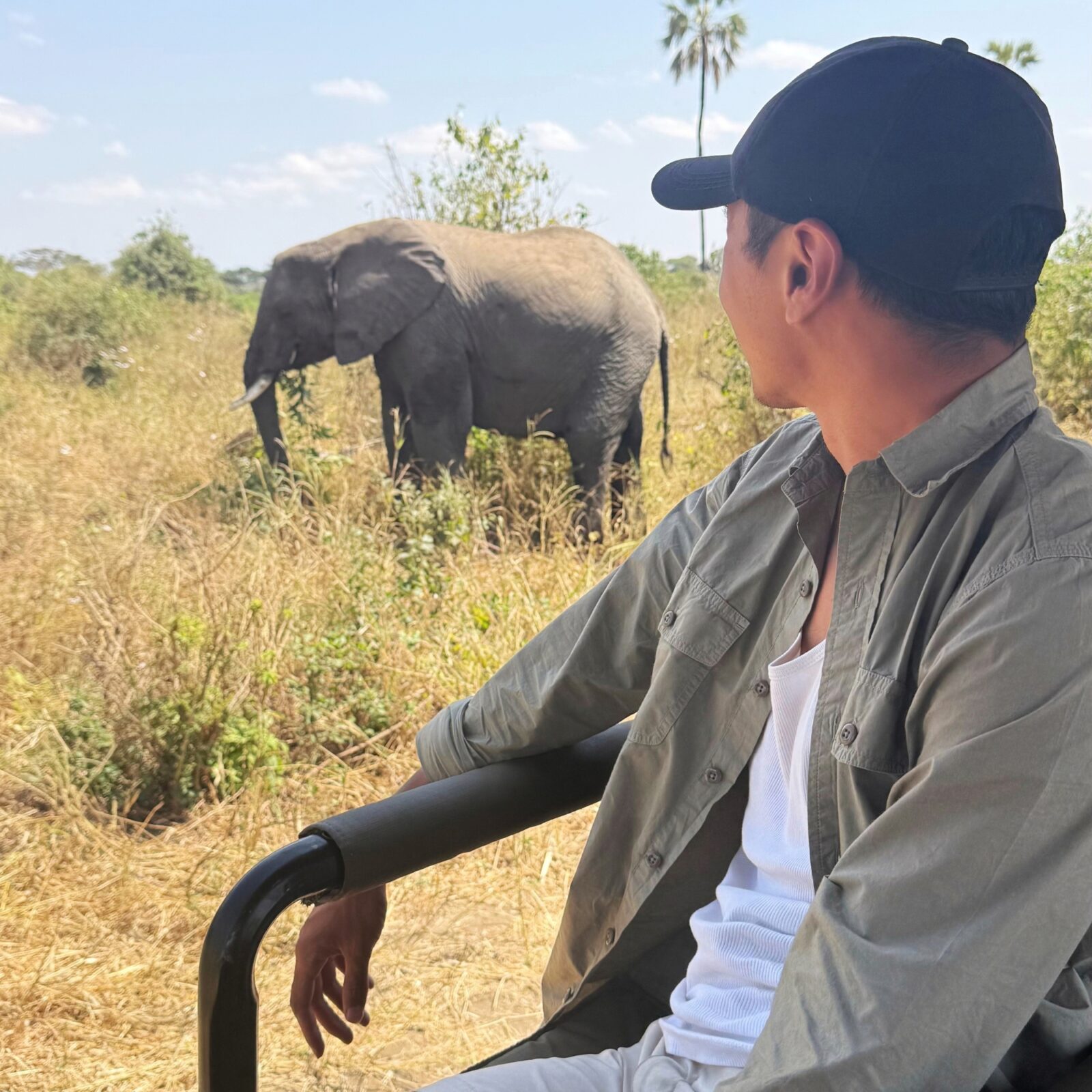
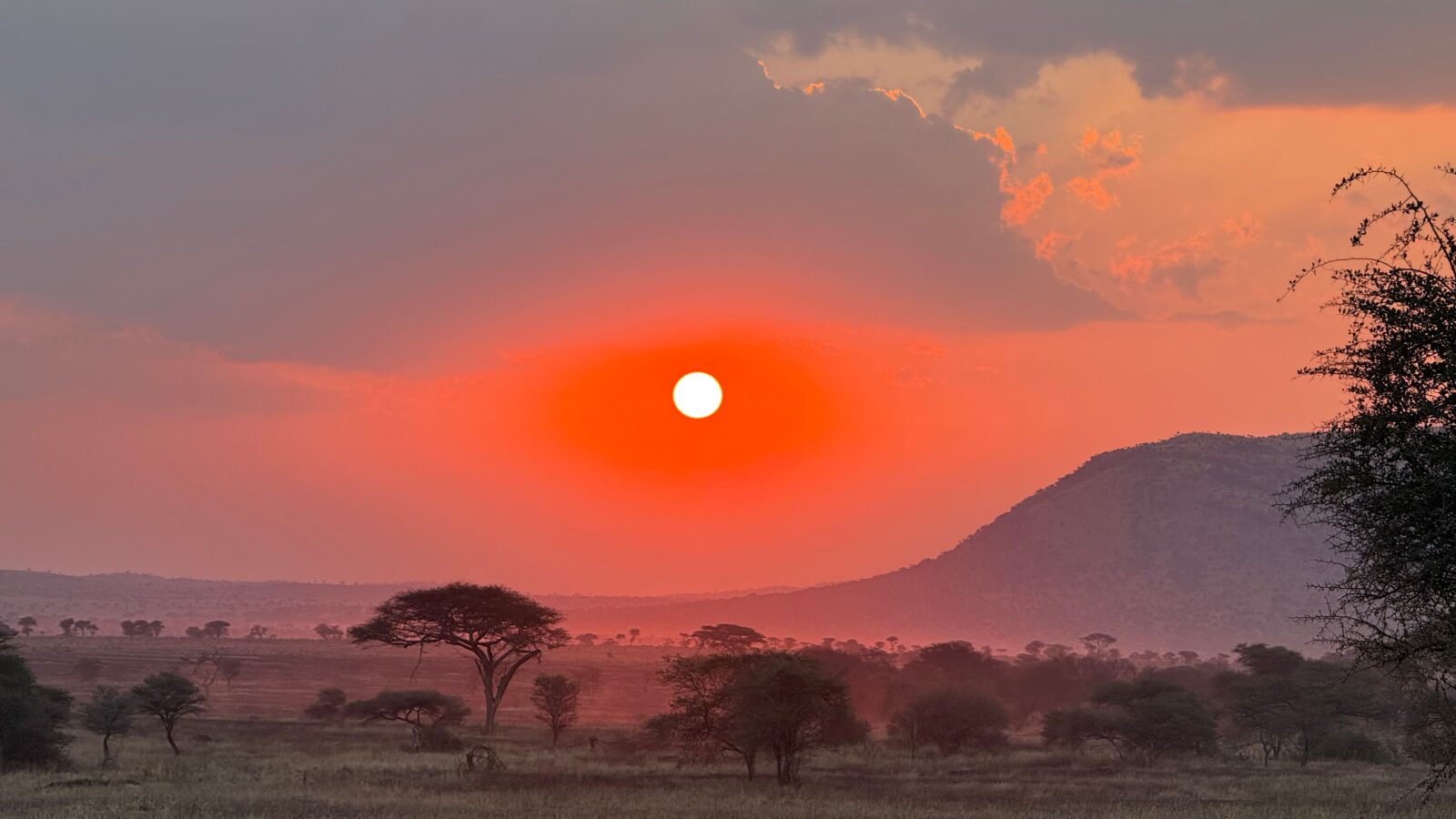
This leg takes you to three of Tanzania’s most famous wildlife destinations. It starts with two days in the Serengeti, with game drives across vast golden plains in search of lions, cheetahs, leopards, elephants, and plenty of other wildlife. Next is Ngorongoro Crater, where wildlife is concentrated within the crater’s enclosed ecosystem. The safari ends in Tarangire, known for its large elephant herds and iconic baobab trees.
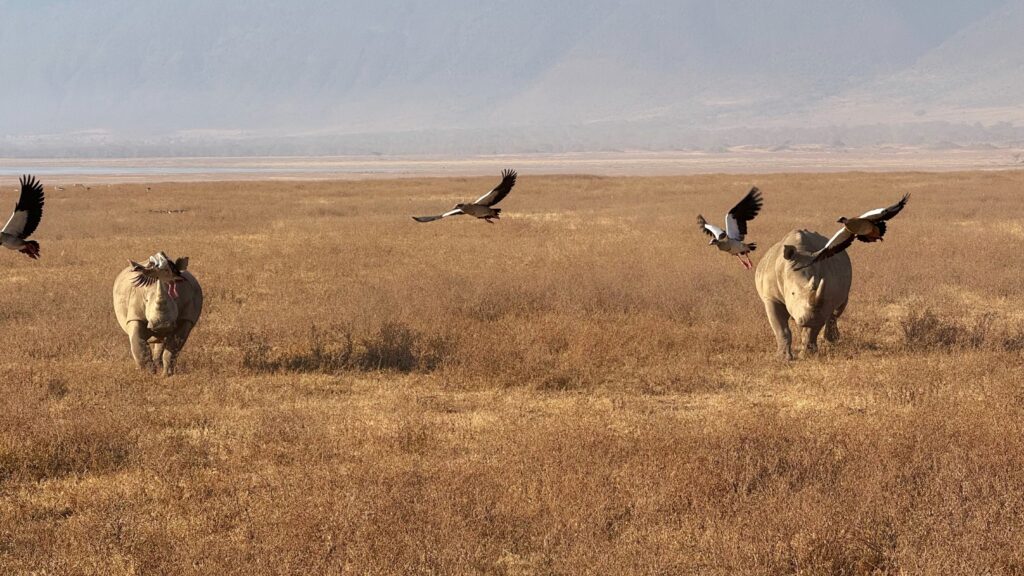
I found four days to be a good balance of different landscapes and wildlife without spending the entire trip on safari. And after Kilimanjaro, it was the perfect change of pace: no more hiking, just sitting back and enjoying the ride.
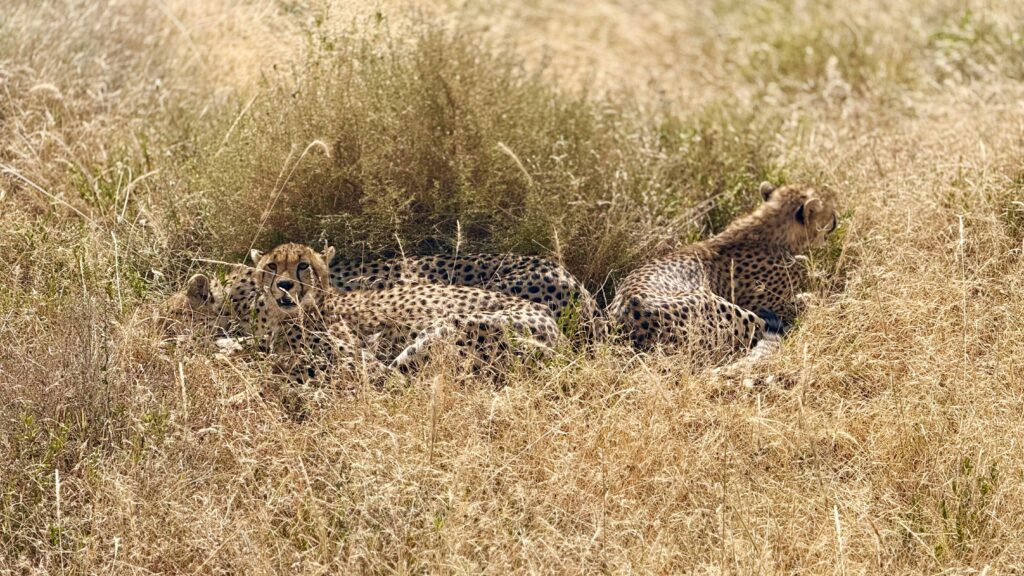
If you’re planning a similar trip, check out my budget Tanzania safari booking guide for tips on choosing a safari and keeping costs down. I also recapped the full safari experience, including what I saw, where I camped, and what I spent.
Zanzibar Island (6 nights)
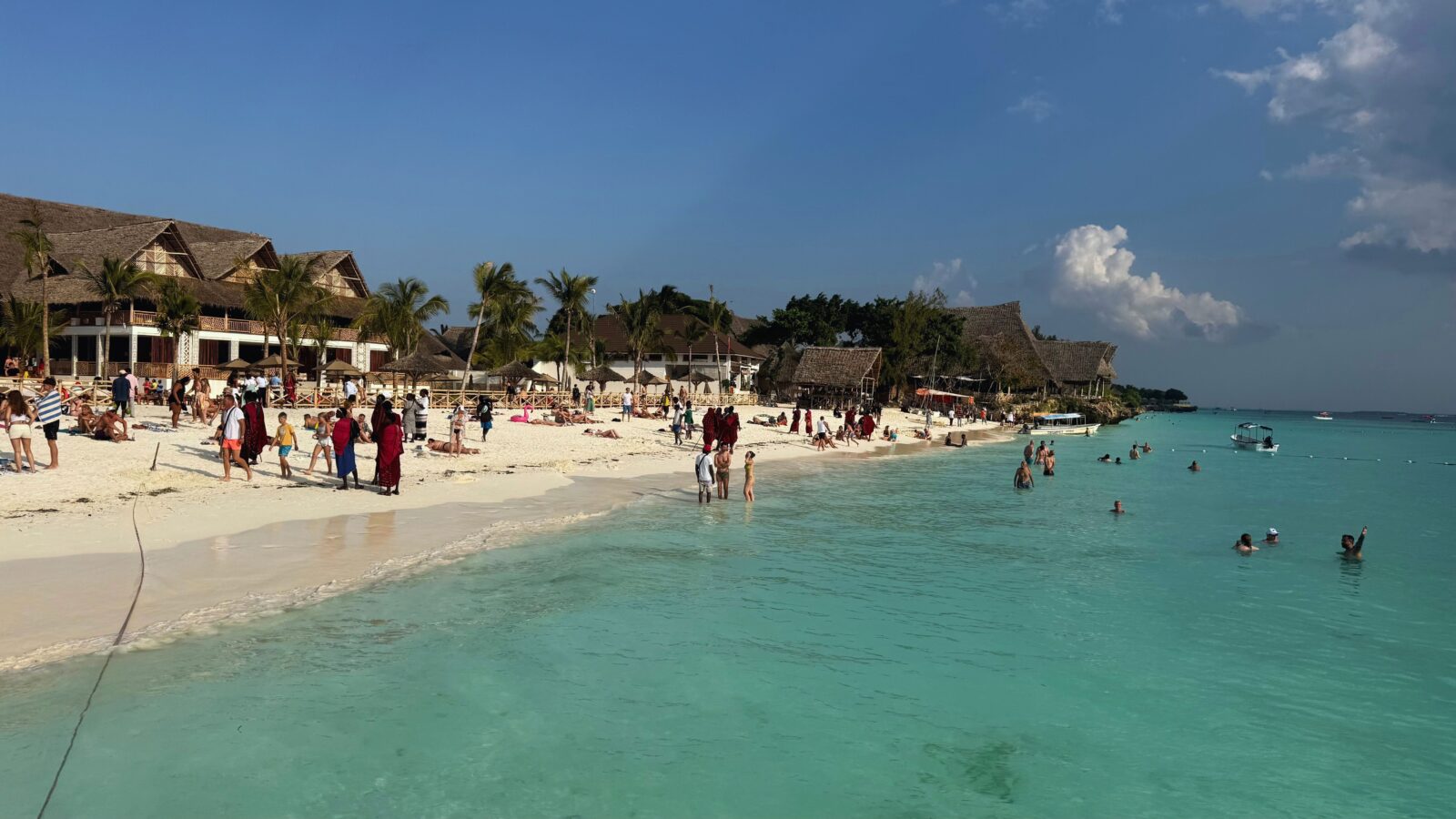
After the safari, you’ll head to Zanzibar, a tropical island known for its white-sand beaches, Swahili culture, and rich history as a trading hub. Zanzibar can be as active or relaxed as you want it to be. You can wander through the narrow streets of Stone Town, take a spice farm tour, or head out on the water for snorkeling, diving, dolphin tours, or a dhow cruise.
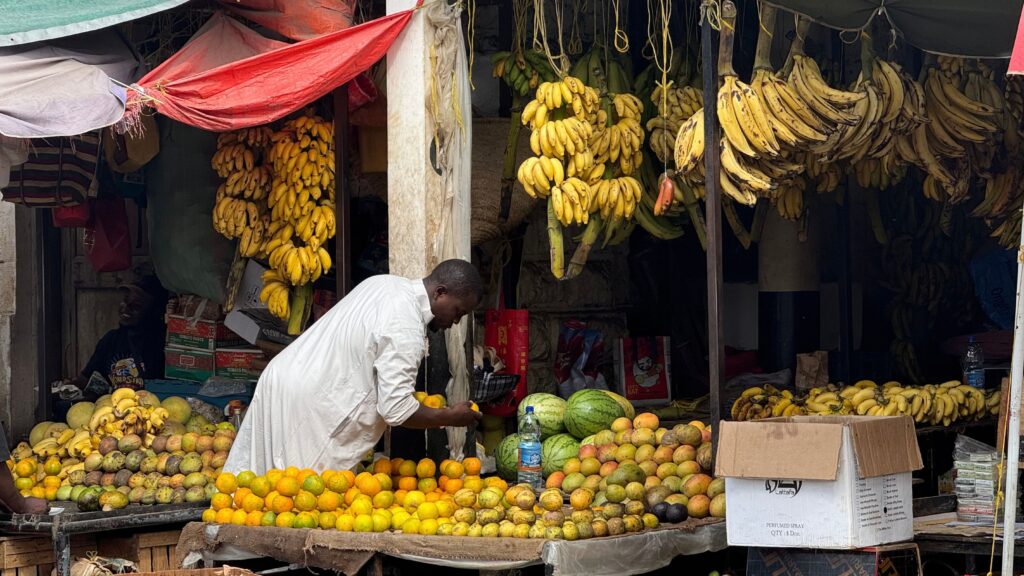
I split my time between Stone Town and Nungwi, using the first part of the stay to explore the island’s history and food before heading to the coast for some beach time.
In Stone Town, I stayed at Mizingani Seafront Hotel, a historic waterfront property featuring traditional Arabic and Swahili architecture with a Moroccan riad-style interior courtyard.
In Nungwi, I stayed at Zenobia Beach Resort, a beachfront hotel with direct access to the water. After weeks of trekking, safari drives, and moving between cities, having the beach right outside the hotel made Nungwi the perfect place to slow down and relax.
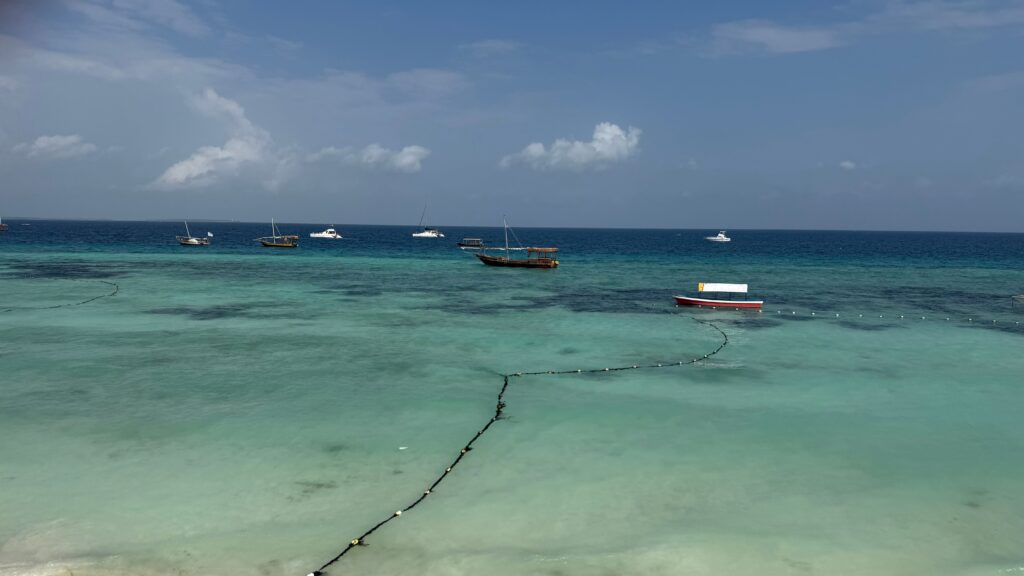
Nairobi (2 nights)
From Zanzibar, you’ll hop over to Nairobi for a short final stop. After spending most of the trip in jungles, mountains, national parks, and beaches, arriving in a huge, modern city was quite the change of pace for me.
Nairobi has a wide range of things to do. You can eat at excellent restaurants, explore local markets and neighborhoods, visit museums and galleries, or even see wildlife without leaving the city.
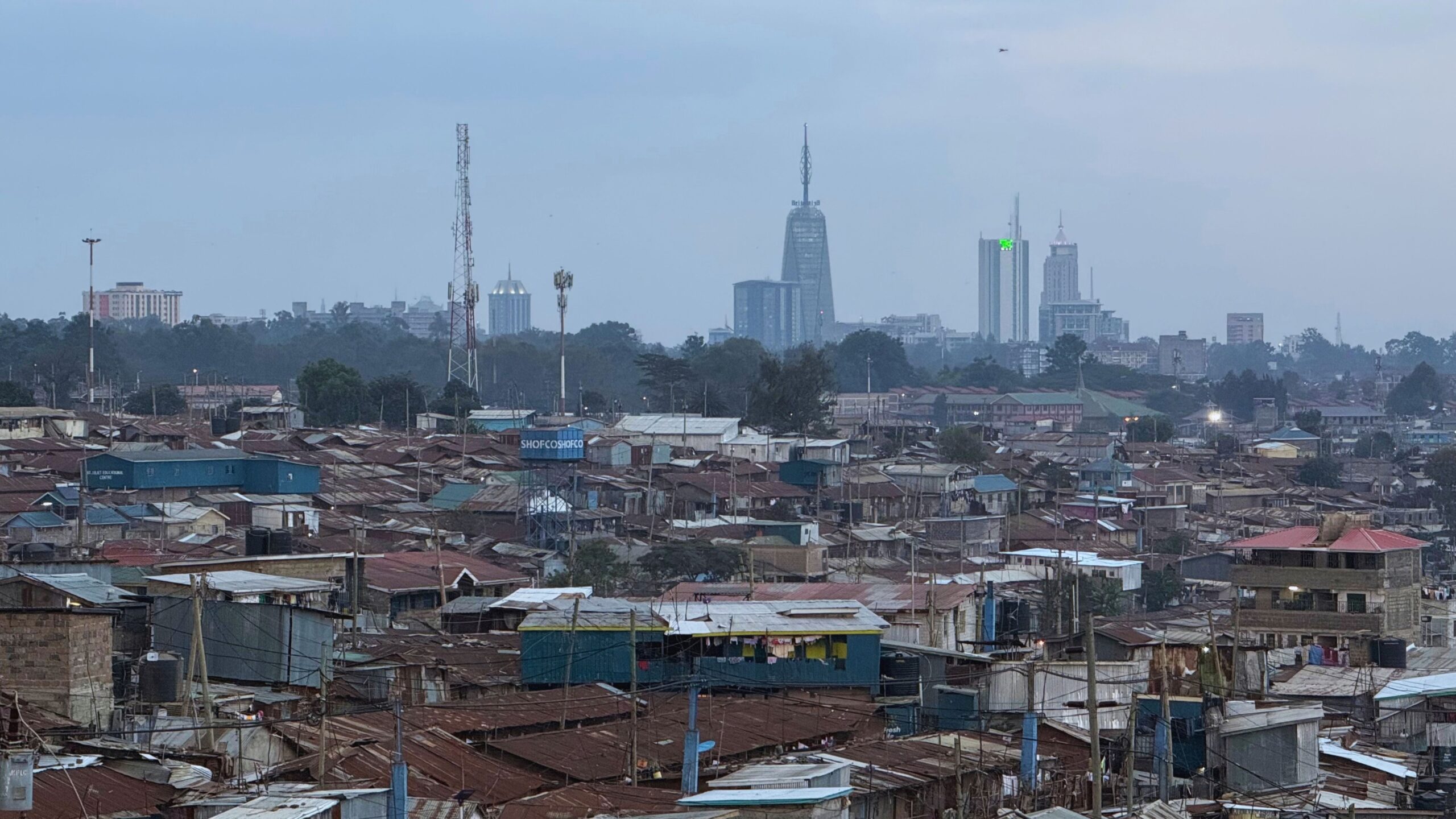
I chose to visit the Giraffe Centre, where you can get surprisingly close to endangered Rothschild’s giraffes. I also took a guided tour of Kibera, one of Africa’s largest informal settlements. It was a good way to spend my final days in East Africa, seeing both a more polished side of Nairobi and a side of the city that most visitors don’t experience.
Nairobi also makes a convenient last stop because it’s one of the region’s biggest international aviation hubs, making it easy to catch a flight home.

5-Week East Africa Trip Cost Overview
My 5-week East Africa trip as a solo traveler cost $9,503 ($272 per day), including flights, permits, lodging, and guided tours.
I’d consider that the lower end of what you’d expect to pay for an itinerary packed with experiences like gorilla trekking, Kilimanjaro, and safari. I kept costs down by:
- Using miles to fly from the United States (Washington D.C.) to Addis Ababa
- Using points and credit card perks to reduce the cost of hotels
- Joining group tours for Kilimanjaro and safari instead of booking private trips
- Choosing the most basic camping package for my safari
Here’s the exact breakdown of where the money went:
| Category | Sum | Percent | What This Includes |
|---|---|---|---|
| Tour Packages | $5,343 | 56% | Gorilla + golden monkey trek, Kilimanjaro climb, Tanzania safari, and Dire Dawa + Harar (Eastern Ethiopia) tour |
| Accommodations | $1,166 | 12% | Hotels booked outside of what a tour package already covered; mostly in Zanzibar and Addis Ababa |
| Flights | $796 | 8% | Flights connecting each country and award booking fees |
| Tips | $580 | 6% | Gratuity for guides, porters, drivers, and hotel staff |
| Activities | $510 | 5% | Kilimanjaro add-ons, food tours, city tours, entrance fees, boat cruises |
| Food | $353 | 4% | Meals not included in a tour package or hotel stays |
| Travel Fees | $343 | 4% | Visas and mandatory Zanzibar travel insurance |
| Incidentals | $259 | 3% | eSIMs, souvenirs, and one-off purchases |
| Transportation | $153 | 2% | Local rides and transfers not covered by a tour package; mostly getting around Zanzibar and Nairobi |
More than half of my budget went toward tour packages, totaling $5,343. Gorilla trekking and Kilimanjaro are the two most expensive bookings on the whole trip, so if you’re trying to cut this trip’s cost, consider those two experiences.
| Booking | Cost | What This Includes |
|---|---|---|
| Gorilla + Golden Monkey Trekking | $2,012 | 4-day private tour including gorilla trekking, golden monkey trekking, and a night on Lake Bunyonyi; half board |
| Kilimanjaro Trek | $2,171 | 7-day Lemosho route group climb: round-trip airport transfers, 2 nights hotel in Moshi, park fees, all meals on the mountain, mountain staff, camping gear, emergency oxygen, and a portable stretcher |
| Tanzania 4-Day Safari | $800 | 4-day group tour (camping) across Tarangire, Serengeti, and Ngorongoro Crater: all accommodations and meals, open-roof 4WD safari vehicle, round-trip airport transfers, and a driver-guide |
| Dire Dawa + Harar Tour | $360 | 3-day private tour covering Dire Dawa city sights, Harar’s old town, the Babile camel market, and the Valley of Marvels; all accommodations and meals, entrance fees, and a local guide |
Everything outside tour packages stayed cheap. Food came out to $353 for the whole 35 days (~$10 a day) and local transportation was $153 total. Again, the real cost of this trip is the big bucket list activities, not the daily cost of meals and transport.
Check out East Africa Trip Cost for an in-depth breakdown of everything I spent on my 5-week trip.
How To Get Around East Africa Without a Rental Car
Getting around East Africa can look complicated when planning a multi-country trip, but this itinerary was designed to keep transportation relatively simple.
I used a mix of short regional flights and private overland transfers rather than renting a car or relying entirely on public transportation. The map below shows all the major stops on this 5-week East Africa itinerary.
The route starts in Addis Ababa and ends in Nairobi, two major regional aviation hubs, which makes international flights in and out of East Africa relatively straightforward.
The table below breaks down how I traveled between each stop, including flight times, overland journeys, and border crossings.
| Route | Mode of Transport | Travel Time |
|---|---|---|
| Addis Ababa → Dire Dawa | ✈️ Flight (ET 248) | 1h 15m |
| Dire Dawa → Addis Ababa | ✈️ Flight (ET 209) | 1h 10m |
| Addis Ababa → Kigali | ✈️ Flight (ET 817) | 2h 30m |
| Kigali → Bwindi NP | 🚗 Private transfer | 6h (includes lunch stop and border crossing) |
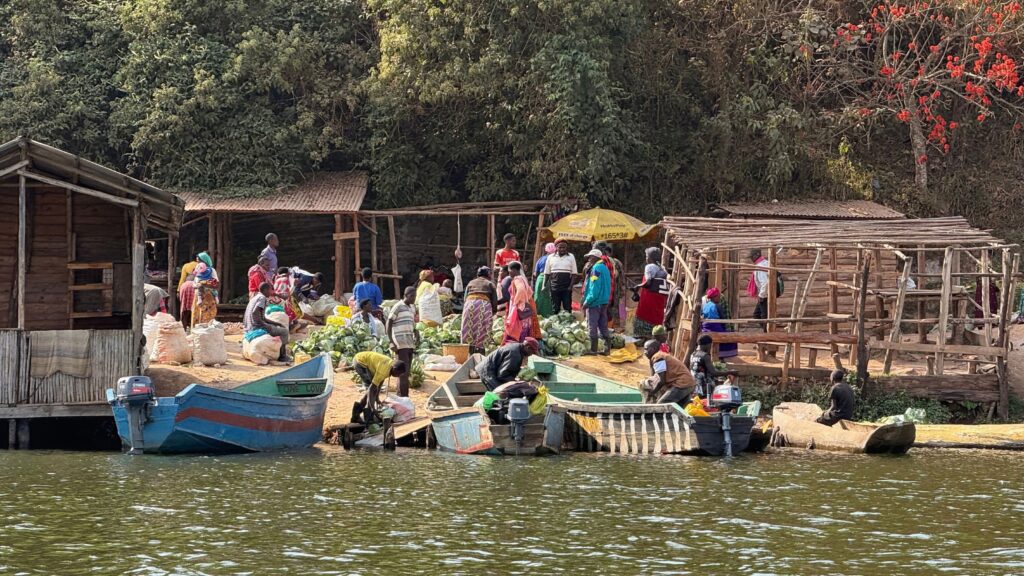
| Bwindi NP → Lake Bunyonyi | 🚗 Private transfer | 2h drive, 30min boat ride |
| Lake Bunyonyi → Volcanoes NP | 🚗 Private transfer | 5h (includes lunch stop and border crossing) |
| Volcanoes NP → Kigali | 🚗 Private transfer | 4h (includes lunch stop) |
| Kigali → Moshi | ✈️ Flight (WB440) | 1h 45m |
| Moshi → Arusha | 🚗 Private transfer | 2h |
| Arusha → Zanzibar | ✈️ Flight (UI624) | 1h 15m |
| Zanzibar → Nairobi | ✈️ Flight (YS115) | 1h 30m |
Every regional flight on this route is direct, so you won’t waste time on layovers. Every overland journey takes six hours or less, keeping the travel days manageable and leaving more time to actually experience each destination.
Staying connected on this 5-week East Africa trip
For Uganda, Tanzania, and Kenya, I used Airalo’s Africa Safari eSIM, which covered all three countries with a single plan. For Rwanda, I used Airalo’s Rwanda eSIM.
East Africa Visa, Vaccine & Insurance Requirements
There are several travel documents and requirements you’ll need to take care of before traveling to East Africa. The information below is based on the requirements in place when I traveled and is intended for U.S. citizens traveling on a U.S. passport.
Visa and entry requirements can change, so always check the latest guidance from the relevant government or embassy before your trip. Processing times are based on my personal experience and may vary.
What visas do I need for this East Africa itinerary?
All five countries in this East Africa route require travel authorizations. The total cost of my visas (including processing fees and credit card fees) came out to be $299.
| Travel authorization | Cost | Validity | Entry | My Processing Time |
|---|---|---|---|---|
| Ethiopia eVisa | $62 | 30 days | Single entry | 1 day |
| East Africa Tourist Visa | $100 | 90 days | Multiple entry | 1 day |
| Tanzania visa | $102 | 1 year | Multiple entry | 12 days |
| Kenya eTA | $35 | 30 days | Single entry | 1 day |
I applied for all my travel authorizations online. All of them except for the Tanzania visa were processed within one day. The Tanzania visa took 12 days. I recommend applying for all visas and travel authorizations at least a month before your trip to give yourself plenty of buffer in case of delays.
What is the East Africa Tourist Visa?
The East Africa Tourist Visa (EATV) is a $100 multiple-entry visa that allows you to travel between Kenya, Rwanda, and Uganda for up to 90 days. Instead of applying for separate visas for each country, you can use one visa to cover all three.
There are two important caveats to understand before you get one. Both can have a major impact on which destinations you choose and how you sequence your route.
Caveat 1: The EATV does not cover Tanzania.
Tanzania requires a separate visa, which cost me $102. If you’re traveling on a budget and Kilimanjaro isn’t a priority, you could skip Tanzania altogether and do your safari and beach time in Kenya instead. See the How to Customize This East Africa Itinerary section for some alternative routes.
Caveat 2: The EATV cannot be used again after you leave the Kenya-Rwanda-Uganda zone.
To maximize your EATV, you have to visit Kenya-Rwanda-Uganda consecutively. If you’re combining the three EATV countries with Tanzania, the order of your route matters. Consider:
| Route | Visas Needed | Total |
|---|---|---|
| (1) Rwanda → Uganda → Kenya → Tanzania | EATV + Tanzania visa | $202 |
| (2) Rwanda → Uganda → Tanzania → Kenya | EATV + Tanzania visa + Kenya eTA | $237 |
For (1), you’d pay $200: $100 for the EATV and $102 for the Tanzania visa.
For (2), you’d pay $237: $100 for the EATV, $102 for the Tanzania visa, and $35 for the Kenya eTA. That’s because once you leave Uganda and enter Tanzania, you can no longer use the EATV to enter Kenya, so you’ll need a separate Kenyan travel authorization.
Does the EATV make sense for me?
It depends on your route and how many countries you visit in Kenya-Rwanda-Uganda zone.
- Visiting just one of the three? Skip the EATV. That country’s own visa or eTA will be cheaper on its own.
- Visiting all three consecutively? Get it. You’ll save money compared to buying each visa separately, and it’s one application instead of three.
- Visiting two of the three? Do the math; it can go either way.
In my case, I was only visiting Rwanda and Uganda consecutively, but the EATV still made sense. My route was: Ethiopia → Rwanda → Uganda → Rwanda → Tanzania. A single-entry Uganda visa cost $50, while a multiple-entry Rwanda visa cost $70. Getting both would have cost me $120, compared with $100 for the EATV.
How do I apply for the EATV?
You apply through the immigration portal of the first EATV country you plan to enter. For example, if Rwanda is your first stop, apply through Rwanda’s immigration portal; if it’s Uganda, apply through Uganda’s.
Do I need the yellow fever vaccine to travel to East Africa?
It depends on which countries you visit and the order of your itinerary. For this particular 5-week East Africa trip, yes, it’s mandatory because the itinerary includes Uganda, which requires proof of yellow fever vaccination for travelers age 1 and older.
Other countries on this route can also require proof of vaccination if you’re arriving from a country with a high risk of yellow fever transmission, such as Uganda. Because of that, you’ll want to carry your International Certificate of Vaccination, commonly called the yellow card, throughout your trip.
In fact, I was asked to show mine when I arrived in Tanzania at Kilimanjaro International Airport (JRO) after flying in from Kigali, Rwanda.
The easiest way to avoid complications at the border is simply to get the vaccine before your trip. A single dose provides lifelong protection, and you’ll receive the yellow card as proof of vaccination. Just make sure you get vaccinated early enough for the certificate to become valid before you travel.
New for October 2026: Mandatory Tanzania Insurance
Starting October 1, 2026, most foreign visitors entering Tanzania will be required to purchase government-mandated travel insurance. The policy costs $44 per person, is valid for up to 92 days, and allows multiple entries during that period. Coverage includes emergency medical expenses, medical evacuation, medical repatriation, and lost or damaged checked luggage.
The policy you need depends on your first point of entry. Travelers entering through mainland Tanzania, such as Kilimanjaro International Airport or Dar es Salaam, can purchase their policy through NIC’s inbound insurance portal. Travelers entering through Zanzibar use the separate Zanzibar inbound insurance portal.
This mandatory coverage is separate from regular travel insurance, so it does not replace a comprehensive policy that covers things like trip cancellation, delays, or other expenses. If you’re traveling to Tanzania after October 2026, make sure you purchase the appropriate policy before your trip.
When To Visit East Africa
June through September is the best time for this 5-week East Africa trip. It’s generally dry across East Africa, making conditions favorable for gorilla trekking, Kilimanjaro, safari, and Zanzibar. I traveled in July and had no rain during my seven-day Kilimanjaro climb. This is also peak season, particularly for safari and gorilla trekking, so book permits and major tours well in advance.
December through mid-March is the second-best option. Kilimanjaro has another favorable climbing window during this period, while January and February are particularly good for safari because of the wildebeest calving season in the southern Serengeti. Gorilla trekking is also possible, and Zanzibar is generally hot and relatively dry in January and February. However, weather can be more variable than during the June–September dry season.
October and November are a reasonable shoulder-season alternative. These months bring short rains to parts of East Africa, so expect some showers and wetter trails, particularly in Bwindi and northern Tanzania. The tradeoff is fewer crowds and lower prices. I wouldn’t choose these months specifically for the weather if Kilimanjaro is the centerpiece of your trip, but they’re still a workable option.
Mid-March through May is the period I’d avoid. The long rains make Kilimanjaro wetter and less predictable, while gorilla trekking can mean muddier trails. Zanzibar also sees its heaviest rainfall during these months, particularly in April and May.
How to Customize This East Africa Itinerary
The East Africa trip you plan probably won’t look exactly like mine. There are countless ways to combine these countries and experiences depending on your interests, budget, and time. Here are some other options to consider.
Short on time? Cut Ethiopia and go straight into the gorilla trekking, Kilimanjaro, safari, and Zanzibar portion of the trip. This turns the itinerary into roughly four weeks while keeping the major bucket-list experiences. If you’re even tighter on time, you could also shorten Zanzibar or skip Nairobi at the end.
Have more time? Go deeper in each country. The two I wish I had more time to explore were Kenya and Ethiopia.
- Kenya: I’ll admit, this itinerary doesn’t do Kenya justice since I only spent two nights in Nairobi. If you have another week or two, I’d use it to explore beyond the capital, particularly the Masai Mara, Amboseli National Park, and Kenya’s coast.
- Ethiopia: I only scratched the surface with Addis Ababa and Harar, but you could easily spend several more weeks exploring the country. With extra time, consider Lalibela to see its famous rock-hewn churches, the Simien Mountains for hiking and dramatic mountain scenery, and the Danakil Depression for its salt flats, volcanic landscapes, and extreme heat.
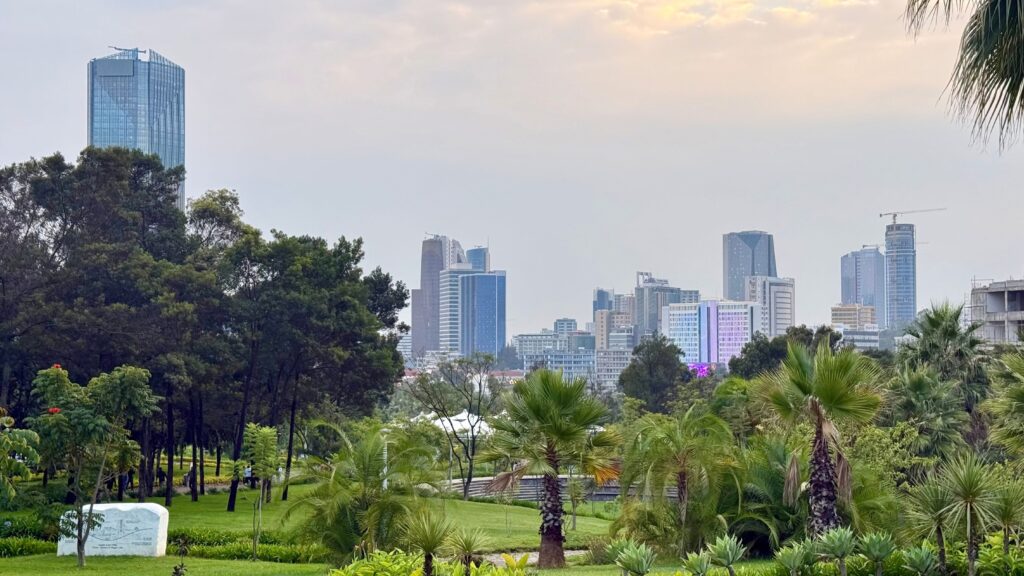
Tight budget? The two biggest expenses on this East Africa itinerary are gorilla trekking and Kilimanjaro. If you need to cut costs, these are the places I’d look first. You could choose just one of these experiences and build the rest of the trip around less expensive destinations.
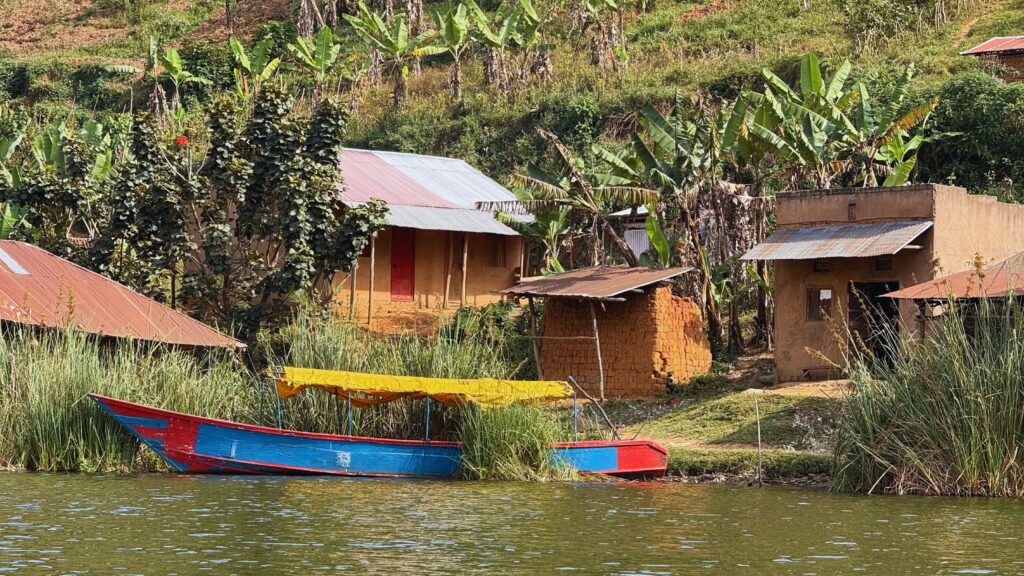
Bigger budget? Do both your gorilla and golden monkey treks in Volcanoes National Park in Rwanda instead of splitting them between Rwanda and Uganda. I chose to do gorilla trekking in Uganda because it was considerably cheaper (the permit is $800 in Uganda vs $1500 in Rwanda), but this meant having to cross the border twice.
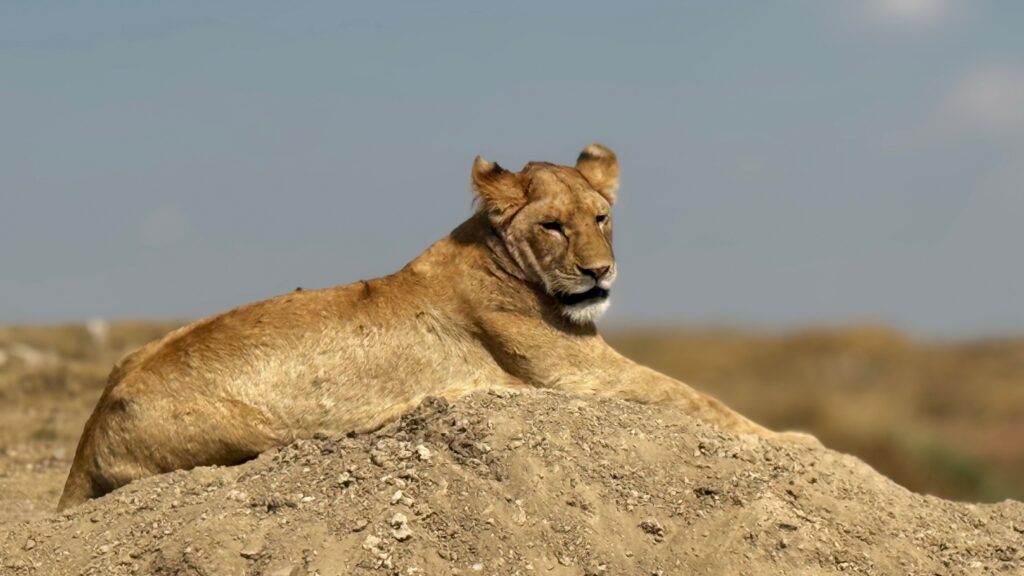
Want more safari? Add another national park to the itinerary.
- Masai Mara National Reserve is an easy addition if you’re already ending the trip in Nairobi, while Amboseli National Park is a great choice if you want elephant sightings with views of Mount Kilimanjaro.
- Queen Elizabeth National Park in Uganda is another great option, with classic savanna game drives, elephants, hippos, and tree-climbing lions.
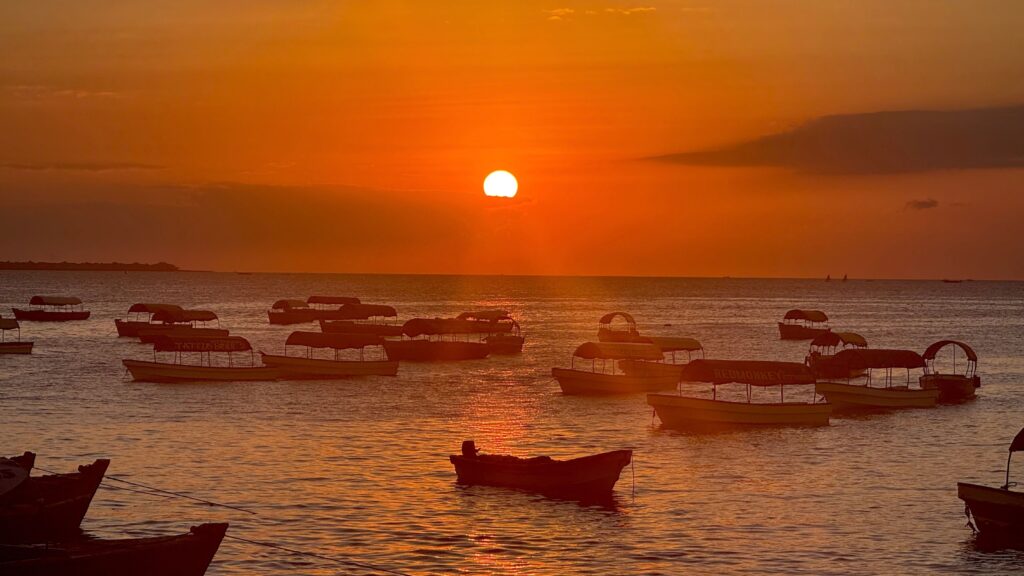
Want more beach time?
- Extend Zanzibar to 10–14 days: This gives you enough time to split your stay between places like Stone Town, Nungwi, and Paje and take advantage of everything Zanzibar has to offer, including diving, snorkeling, kitesurfing, spice farms, and plenty of time to simply relax on the beach.
- Explore Kenya’s coast: Diani Beach is the most popular option, with white-sand beaches, warm water, and plenty of hotels and activities. Watamu is a quieter alternative known for its beaches and marine life, while Lamu offers a more laid-back experience centered around Swahili culture and historic architecture.
What to Read Next: In-Depth East Africa Travel Guides
Planning an East Africa trip? These guides cover the itinerary, costs, and biggest experiences from my 5-week journey:
- How Much Does an East Africa Trip Cost? My Full $9,503 Budget Breakdown: See exactly where my money went, from tours and hotels to flights, food, transportation, visas, and tips.
- 7-Day Lemosho Route: My Experience Climbing Kilimanjaro with Gladys Adventures: See what the 7-day Lemosho Route was actually like, from the first day on the mountain through reaching Uhuru Peak.
- Kilimanjaro Cost Breakdown: How I Spent $2,908 on the Lemosho Route: A detailed look at what I paid for the trek, including the tour, tips, gear rental, insurance, and other expenses.
- How to Book a Budget Tanzania Safari: Complete Cost & Planning Guide: Learn how to compare safari operators, choose a route, and plan a budget-friendly safari.
- 4-Day Tanzania Budget Safari: My Experience with Suricata Safaris: A day-by-day look at my $950 camping safari through Tarangire, Serengeti, and Ngorongoro Crater.
East Africa Itinerary FAQ
How many weeks do you need for an East Africa trip?
I’d recommend at least four weeks if you want to combine several of the major experiences in this itinerary. My full route takes about five weeks and includes Ethiopia, Rwanda, Uganda, Tanzania, Zanzibar, and a short stop in Kenya.
If you only have two or three weeks, I’d focus on a smaller section of the itinerary rather than trying to squeeze everything in.
Why this 5-week East Africa itinerary?
Five weeks gives you enough time to experience several of East Africa’s biggest highlights. This route packs in gorilla trekking in Uganda, Kilimanjaro, a multi-day safari in Tanzania, and Zanzibar’s beaches, while also giving you time to experience Ethiopia and Rwanda and finish in Nairobi. You get a great mix of wildlife, adventure, culture, food, and beach time.
What would I do differently on this East Africa trip?
The biggest change I’d make is to shave 1–2 days off Zanzibar and give those days to Nairobi. Zanzibar was a great way to end the trip, but I had enough time there that I could have shortened the beach portion without feeling like I was missing out.
I’d use those extra days to explore more of Nairobi, including places like the Sheldrick Wildlife Trust and Nairobi National Park.
Is East Africa expensive?
It can be, particularly if you include gorilla trekking, Kilimanjaro, and safari. Those three experiences account for a large portion of the trip’s cost. If you’re on a tight budget, focus on picking 1-2 big-ticket experiences.
The day-to-day expenses (e.g. getting around and eating out) are affordable. I also kept costs down by joining group tours for both Kilimanjaro and safari instead of booking private trips.
What is the best time to visit East Africa?
For this particular itinerary, I’d choose June through September. This generally gives you favorable conditions for gorilla trekking, Kilimanjaro, safari, and Zanzibar.
There is also a good travel window from December through February, although conditions vary by destination. I’d be more cautious about planning the entire route during the long rainy season in April and May.
How far in advance should you plan your East Africa trip?
I’d recommend starting to plan at least 6 months in advance, especially if you’re traveling during the June–September peak season.
The biggest reason is limited availability for gorilla trekking and Kilimanjaro. Gorilla permits are limited, and popular Kilimanjaro departure dates can fill up during peak season. You should also give yourself plenty of time for visas, flights, and any required vaccinations
What visas do you need for East Africa?
It depends on which countries you visit, but for this 5-week itinerary, I needed four separate travel authorizations:
Ethiopia: 30-day single-entry eVisa
Rwanda + Uganda: East Africa Tourist Visa (EATV), which covers both countries and allows multiple entries
Tanzania: $102 multiple-entry tourist visa
Kenya: $35 single-entry eTA
Visa requirements vary by nationality and can change, so the information above is specifically for U.S. citizens traveling on a U.S. passport. Always check the latest entry requirements with the relevant government before your trip.
Is East Africa safe for solo travelers?
I traveled this route solo and generally felt comfortable, but the experience varies significantly between countries and destinations.
For the more remote portions of the trip, such as gorilla trekking, Kilimanjaro, and safari, you’ll be traveling with guides or organized groups anyway.
In cities, use the same precautions you’d use anywhere unfamiliar: avoid walking alone in isolated areas at night, use reputable transportation, and follow local advice.
Can you visit East Africa without renting a car?
Yes. You don’t need to drive yourself for this itinerary. I used a combination of direct flights, private transfers, tour operators, and other forms of local transportation.
In fact, I wouldn’t recommend building this route around a rental car because some of the biggest experiences on the trip, including gorilla trekking, Kilimanjaro, and safari, are better handled through specialized operators.
Can you do gorilla trekking in Rwanda instead of Uganda?
Yes. If you have the budget, doing your gorilla trek in Volcanoes National Park, Rwanda can simplify the itinerary considerably. You can do both gorilla and golden monkey trekking in the same area instead of crossing into Uganda for Bwindi and then returning to Rwanda.
I chose Bwindi in Uganda because the gorilla permit was cheaper, but the Rwanda option saves you a significant amount of travel time and makes the logistics much simpler.
How many days do you need for a safari?
For this itinerary, I spent four days on safari: two days in the Serengeti, one day in Ngorongoro Crater, and one day in Tarangire National Park. I found that to be a good balance between seeing different landscapes and wildlife without spending the entire trip seeing animals.
How fit do you need to be for Kilimanjaro?
You don’t need to be an elite athlete. The bigger challenge is altitude, not fitness. If you’re comfortable walking for several hours at a time and handling consecutive days of hiking, you’re likely fit enough.
I didn’t do any specific training before my climb and still summited, but getting in some cardio and longer hikes beforehand will make the experience easier. A longer route like the 7-day Lemosho also gives you more time to acclimatize.
What is the best route for an East Africa trip?
There isn’t one route that works for everyone, but if you want to combine several of East Africa’s major experiences, my 5-week route is a good starting point. I traveled through Ethiopia, Rwanda, Uganda, Tanzania, and Kenya, combining culture, gorilla trekking, Kilimanjaro, safari, and Zanzibar.
I started in Addis Ababa, traveled through Ethiopia before heading to Rwanda and Uganda, then continued to Tanzania for Kilimanjaro, safari, and Zanzibar. I finished in Nairobi, Kenya. The route let me cover a lot of ground without too much backtracking, while keeping the longer travel days manageable.
How much does a 5-week trip to East Africa cost?
I spent $9,503 for 35 days, or about $272 per day, traveling through Ethiopia, Rwanda, Uganda, Tanzania, and Kenya.
The biggest expense was organized tours, which accounted for $5,343 of my total. That included gorilla and golden monkey trekking, my 7-day Kilimanjaro climb, my Tanzania safari, and my Eastern Ethiopia tour.
If you’re planning a similar trip, the cost will vary significantly depending on which major experiences you include and whether you travel independently or with private tours