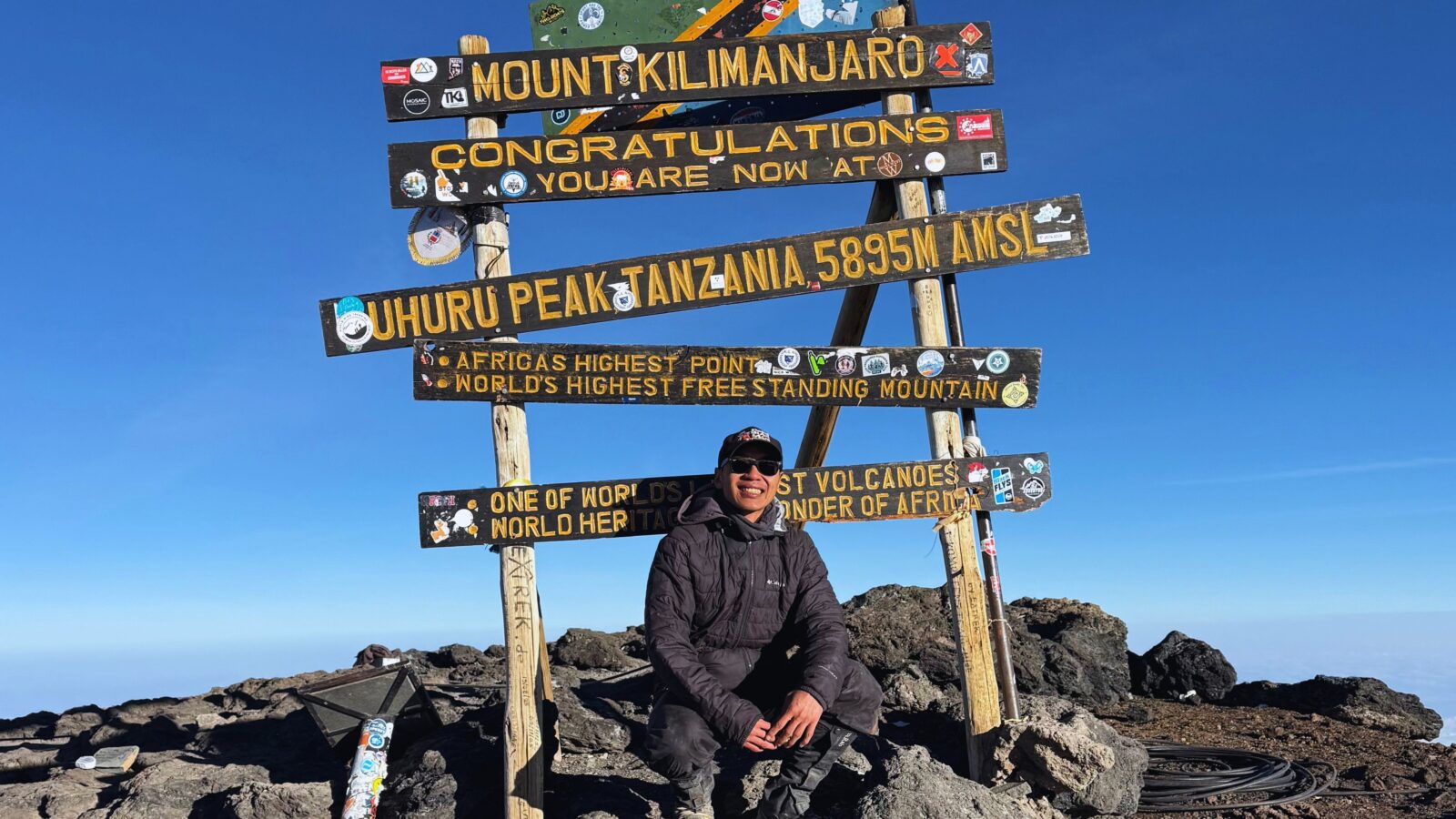
Climbing Mount Kilimanjaro has been on my bucket list for years, but once I started planning it, I realized just how confusing the pricing can be. Search for Kilimanjaro tours and you’ll find everything from suspiciously cheap packages to trips that cost thousands more, with little explanation of what you’re actually getting.
I put together this guide to break down how much trekking Africa’s highest mountain actually costs: what’s included in the tour package, how much to tip, and what extra expenses to budget for.
Planning your Kilimanjaro trek? Get these before you go.
📱 Tanzania eSIM: I used Airalo’s Africa Safari package since I was going to Tanzania, Uganda, and Kenya during my East Africa trip. If you’re just visiting Tanzania, Airalo also offers a Tanzania-specific eSIM.
🏨 Moshi hotel: Depending on your tour package, accommodation before and after the tour may or may not be included. If it isn’t, you can browse hotels in Moshi and find an option that fits your budget.
🚕 Airport pickup: Book a transfer beforehand so you don’t have to negotiate with taxi drivers or figure out transportation after a long flight. Your driver will be waiting for you when you arrive, making it one less thing to worry about.
🎟️ Other activities: If you have extra time before or after your safari, check out other activities in Arusha or Moshi to round out your trip.
Table of Contents
Kilimanjaro Cost Itemized Breakdown
I paid $2908 (excluding flights) for my 7-day Lemosho hike with Gladys Adventures, broken down as follows:
| Line Item | Cost |
|---|---|
| Lemosho Base Package | $2,171 |
| Tips | $333 |
| Gear Rental | $129 |
| Single Supplement | $100 |
| Travel Insurance | $95 |
| Extra Night Pre-Hike | $80 |
If you’re curious about the day-to-day experience of trekking Kilimanjaro, check out my honest thoughts climbing Kilimanjaro with Gladys Adventures..
The trek itself makes up roughly three-quarters of my total Kilimanjaro cost. The remaining quarter comes from everything outside the tour package: tips, gear rentals, etc.
These additional expenses add up to $737, which isn’t a negligible amount, especially when you’re already spending thousands on the trek itself.
So when you’re planning your Kilimanjaro budget, don’t just look at the headline price of the trek. For example, a $2,200 trek doesn’t necessarily mean you’ll spend just $2,200 on Kilimanjaro; make sure you leave room for all the costs that come before, during, and after the climb.
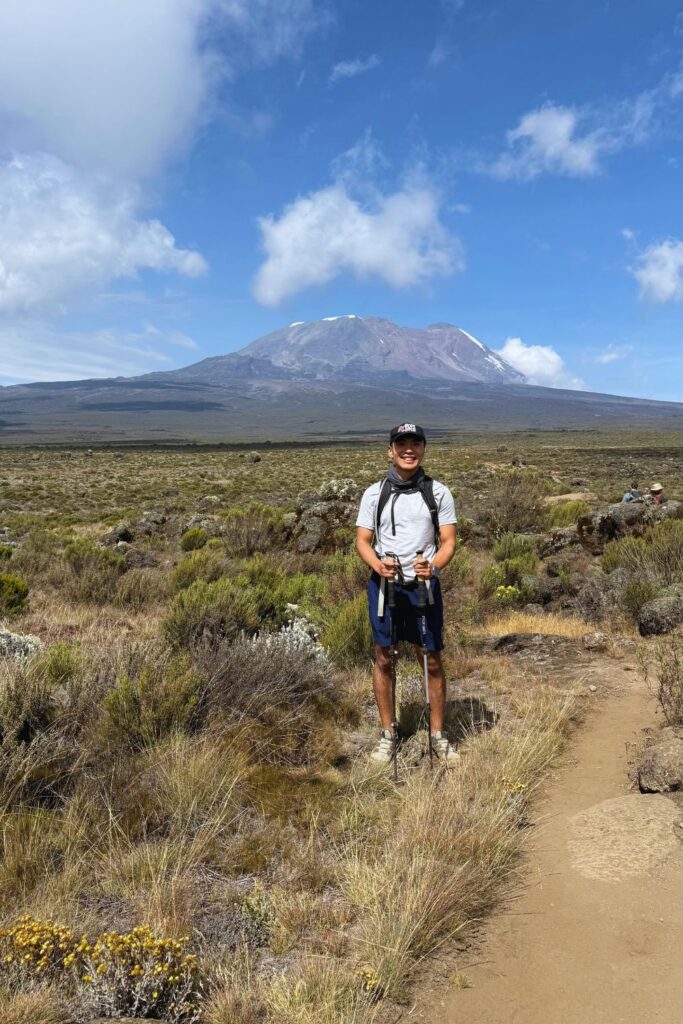
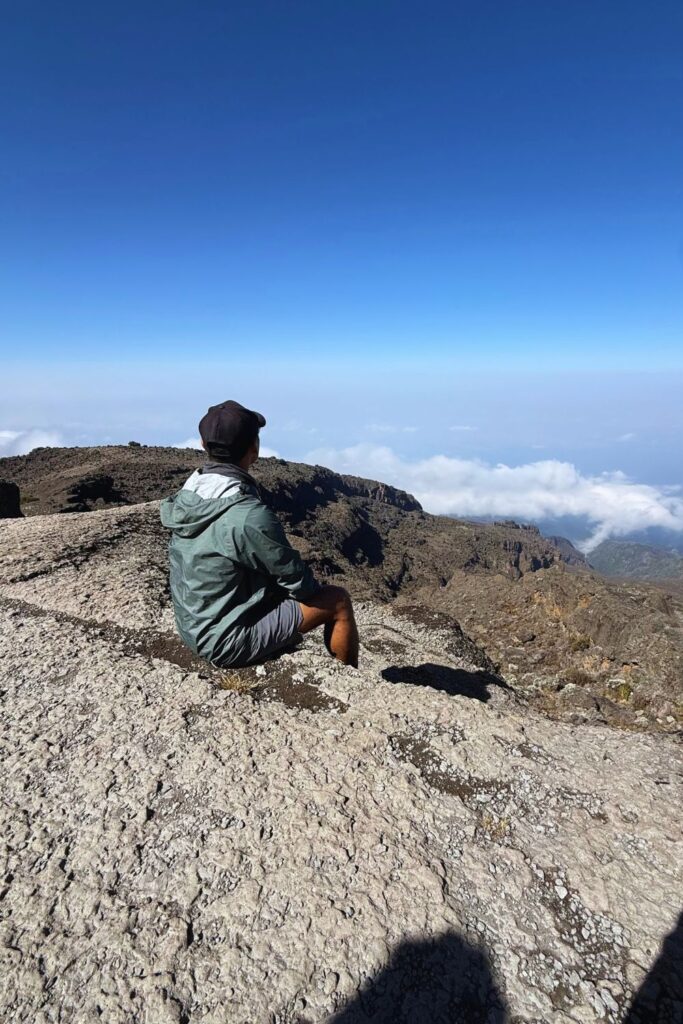
Lemosho Base Package: $2,171
The base package price for the climb includes:
- Round-trip airport transfer
- Pre- and post-hike accommodation (one night each)
- National park entry fees and taxes
- Meals and water on the mountain
- Tent and sleeping mattress
- A private toilet tent
- Professional mountain staff
- Emergency oxygen supply and a portable stretcher
It does not include flights, visas, a sleeping bag, travel insurance, or tips for staff.
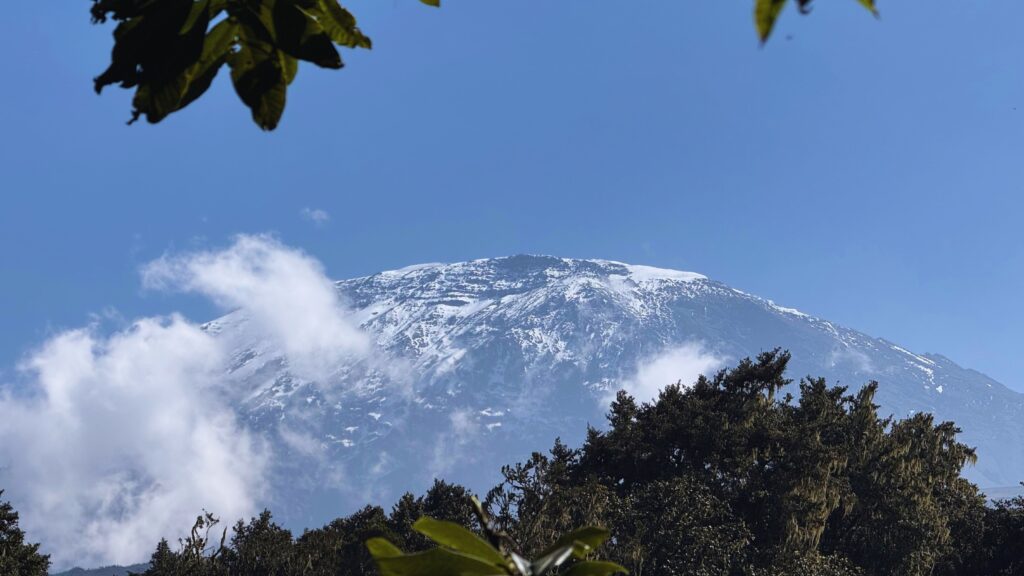
Gear Rental: $129
Before your Kilimanjaro trek, the guides run a full gear check with you, and anything you’re missing can be rented from the trekking company on the spot. I rented seven items: a sleeping bag, a warm fleece, a down jacket, a beanie, rain pants, hiking poles, and gaiters.
Single Supplement: $100
If you book a group climb alone, you’ll share a tent with someone of the same gender. The single supplement gets you a two-person tent to yourself instead. I highly recommend adding this if you’re a light sleeper like me. You want to be well rested to give yourself the best chance of summiting.
Travel Insurance: $95
Every climber is required to carry insurance that covers emergency medical expenses and evacuation for trekking up to 6,000 m. I used World Nomads to satisfy this requirement. Note that this isn’t an endorsement, since I thankfully never needed to file a claim, just what I happened to book.
Extra Night Pre-Hike: $80
The trek package includes one night of accommodation before the climb and one after. I arrived two days before my start date, so I needed to pay for one extra night in Moshi on top of what was included.
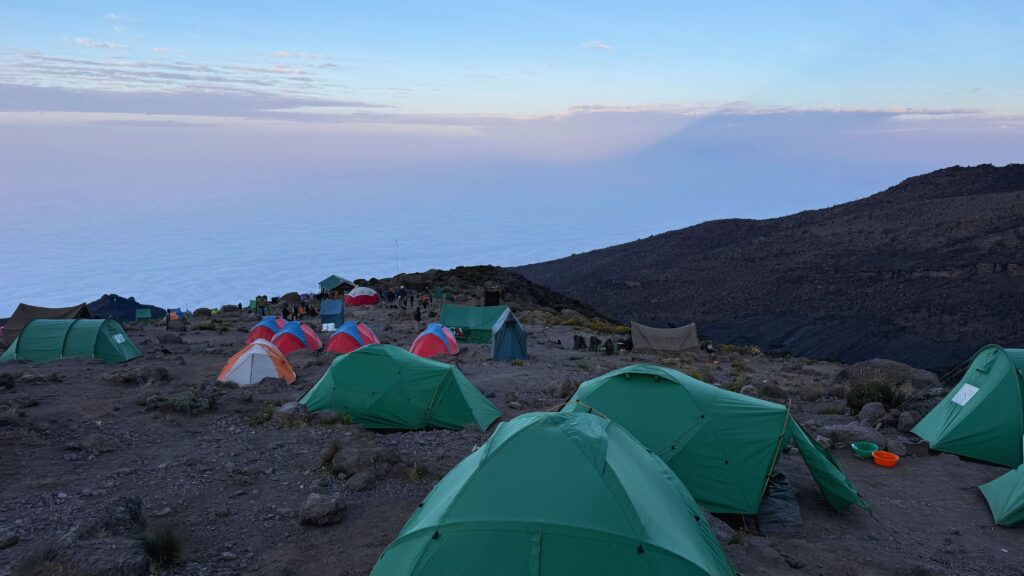
How Much Should You Tip on Kilimanjaro?
Tipping is a significant part of the overall Kilimanjaro cost, and it’s something you should budget for before you book. Unlike many other tours, you’re tipping an entire mountain crew, not just a single guide.
Your crew includes guides, cooks, and porters. The exact number depends on the size of your group. For example, my group of eight had 31 people supporting us.
While technically optional, tipping is expected and makes up a meaningful portion of a porter’s income. I would go so far as to say that if you can’t afford to tip, it’s better to wait until you have enough than to go without budgeting for it.
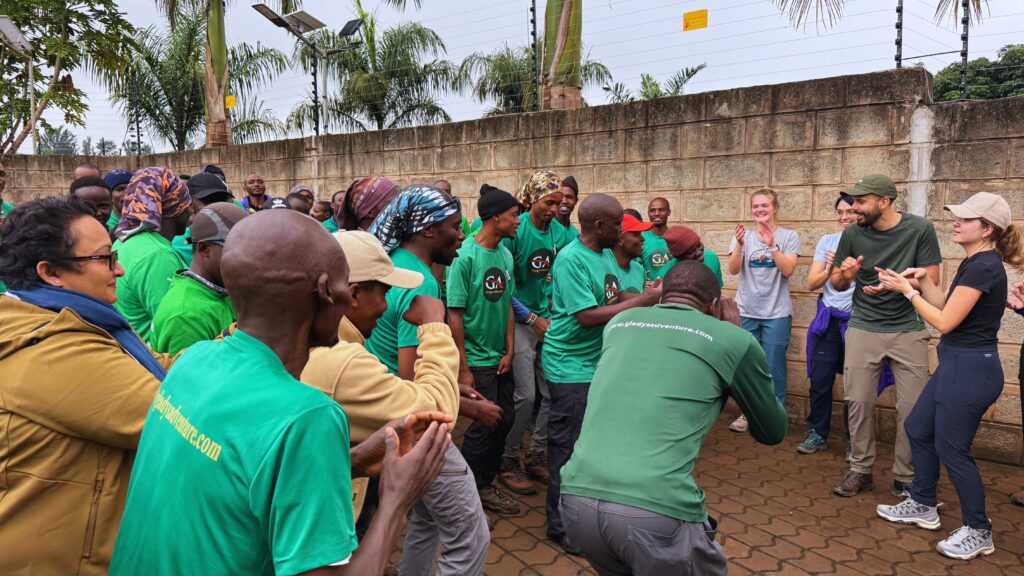
Kilimanjaro Tipping Recommendations
These are the recommended tipping amounts that Gladys Adventures gave me when I booked. Note that the amounts given here are per group, not per person.
Daily gratuities: The amount that you tip each crew member depends on their role.
- Lead guide: $30 per day
- Assistant guide: $20 per day
- Chef: $20 per day
- Porters: $10 per day, per porter
One-time bonuses: Some porters take on additional responsibilities beyond carrying gear and supplies. These roles come with a small additional bonus on top of their regular porter gratuity.
- Specialty porters (e.g. tent master, toilet attendant): $20 per trip
- Summit porters (support porters during summit night): $20 per trip
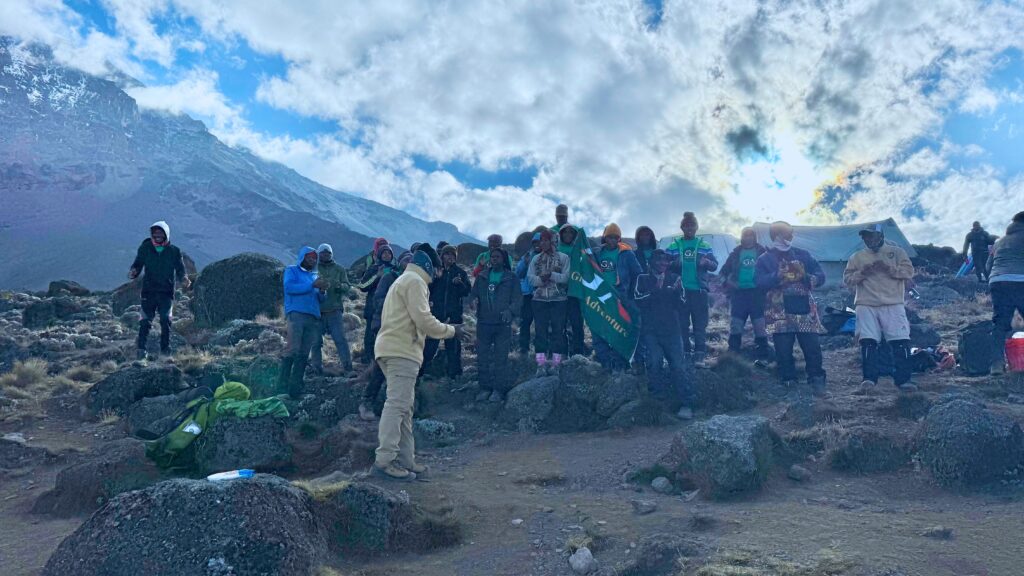
A Real Life Kilimanjaro Tipping Example
My group had 8 hikers and 31 crew members: 1 lead guide, 3 assistant guides, 1 chef, and 26 porters. For a seven-day Kilimanjaro trek, the gratuities roughly worked out to:
| Role | Number | Calculation | Recommended Tip |
|---|---|---|---|
| Lead guide | 1 | $30 × 7 days | $210 |
| Assistant guides | 3 | $20 × 3 × 7 days | $420 |
| Chef | 1 | $20 × 7 days | $140 |
| Porters | 26 | $10 × 26 × 7 days | $1,820 |
| Specialty porters | 2 (of 26) | $20 × 2 (one time) | $40 |
| Summit porters | 2 (of 26) | $20 × 2 (one time) | $40 |
Adding everything up, the recommended tip for the group is $2670, or about $333 per person.
When do you tip?
On the penultimate day of the trek, the lead guide hands your group a tipping sheet listing every staff member by name. You and your group decide together how much to give each person. If you thought one member went above and beyond, you can choose to tip more for that person.
For our group, we tipped after returning to the trekking company’s office on the last day. We handed the tip to the assistant guides, who would then distribute it among the rest of the crew.
Do you tip in Tanzanian shillings or U.S. dollars?
Most operators accept both Tanzanian shillings and U.S. dollars for tipping. If you don’t have enough cash on hand, the trekking company can usually take you to an ATM so you can withdraw more.
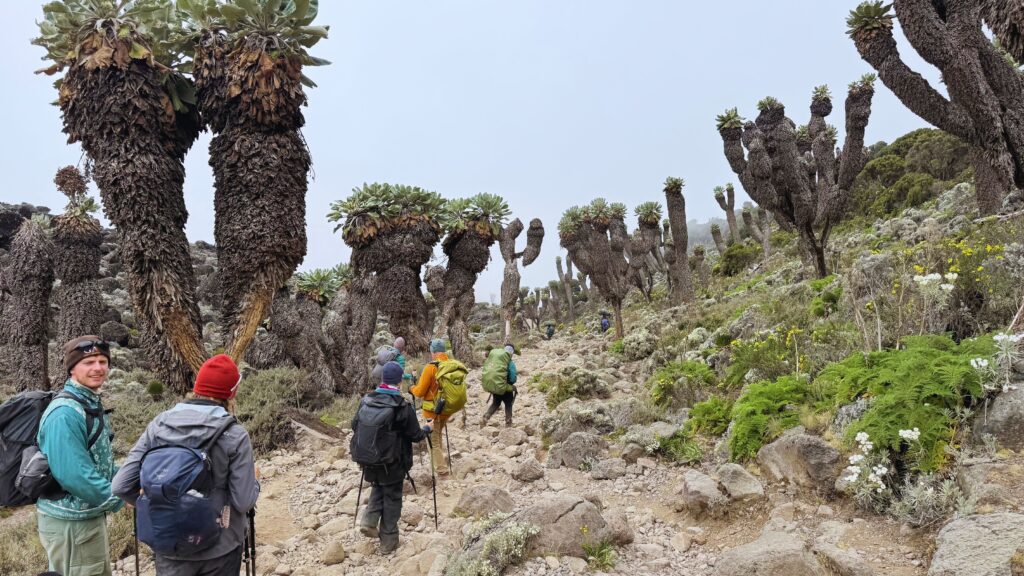
Why is Climbing Kilimanjaro So Expensive?
At first glance, Kilimanjaro can seem surprisingly pricy for a hike. You’re not staying in hotels every night, and you’re walking up a mountain instead of taking a safari vehicle around a national park. So where does all that money go?
Mandatory costs
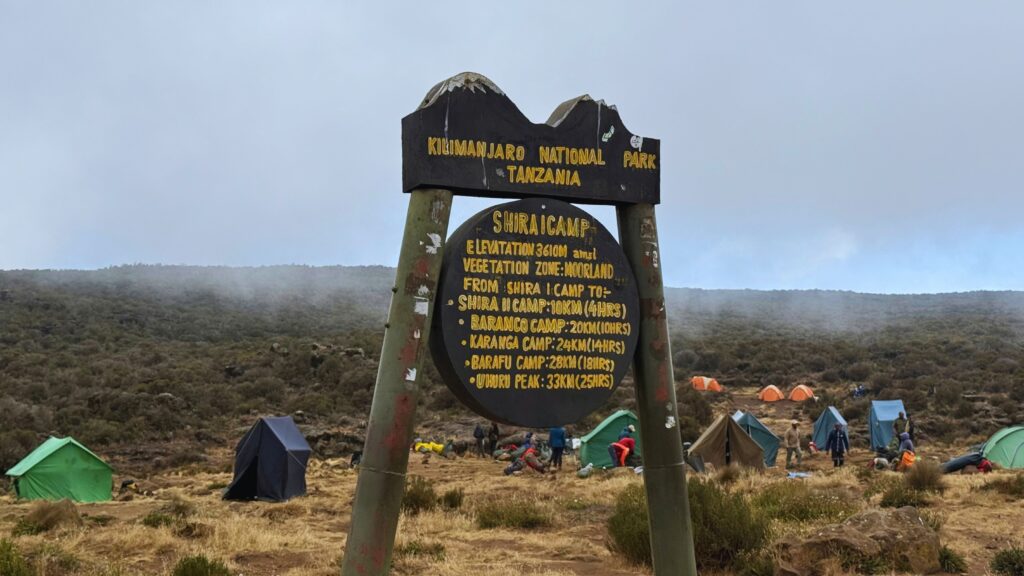
Before a trekking company can take you up Kilimanjaro, they have to pay mandatory park fees to the government and national park. These rates are set by the Tanzanian park authorities, so operators can’t discount or negotiate them.
That means every company, no matter if they’re operating a budget group trek or a luxury private climb, starts with roughly the same baseline cost.
The longer the trek, the more the daily and nightly fees are. For example, here’s what the mandatory park-related costs would look like for someone doing a 7-day camping trek:
| Cost | Calculation | Amount |
|---|---|---|
| Conservation fee | 7 × $70 | $490 |
| Camping fee | 6 × $50 | $300 |
| Rescue fee | 1 × $20 | $20 |
| Subtotal | $810 |
There is a 18% VAT on the subtotal ($810 × 1.18%), bringing the total amount to $956. So you’re already looking at almost $1,000 per person before the operator has paid for guides, porters, food, camping equipment, or its own operating expenses and profit.
This is why there’s a limit to how cheap a legitimate Kilimanjaro trek can be; the operator still has to cover all of those other costs on top of the mandatory park fees.
Remaining costs
Once those mandatory costs are covered, the price can vary depending on factors like route, group size, and comfort.
- Route and number of days: A longer trek means more park fees, more food, more staff time, and more nights camping on the mountain. Routes also have different logistics and popularity, which can affect pricing.
- Group size: A private trek with two people has to spread the cost of the guides, vehicles, equipment, and other logistics across far fewer travelers than a group of eight.
- Level of comfort: Some operators provide basic tents and meals, while others offer larger tents, better food, private toilets, showers, thicker sleeping mattresses, or nicer hotels before and after the trek.
Finally, you’re also paying for the operator’s overhead and profit. This covers things like office staff, vehicles, equipment maintenance, insurance, marketing, booking platforms, and the cost of actually running the business.
What you’re getting at different price points
When researching Kilimanjaro outfitters, the price gap can be confusing. One company might quote $1,500 per person, while another charges $3,000 or more for the exact same route and number of days. Here’s what you’re getting at the various price points.
| Budget | Mid-range | Luxury | |
|---|---|---|---|
| Typical Price | ~$1,500–$2,000 | ~$2,000–$3,000 | $3,000+ |
| Group Size | Larger groups | Smaller groups | Private groups |
| Guide-to-Hiker Ratio | 1 guide for every 4–5 climbers | 1 guide for every 2–3 climbers | 1 guide for every 1-2 climbers |
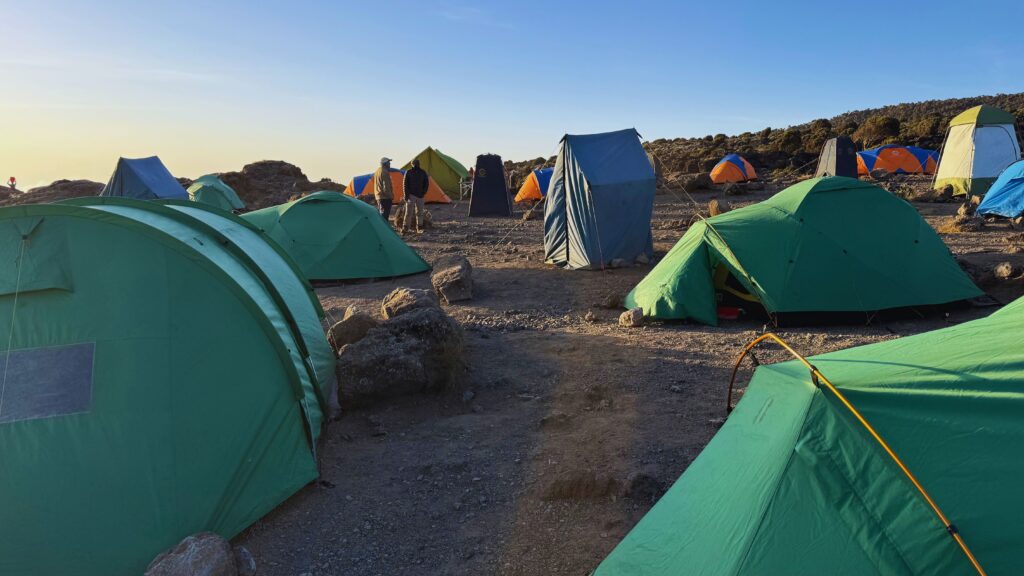
| Tent Quality | Standard/older gear | Weatherproof, high-altitude gear | Premium walk-in tents with cots |
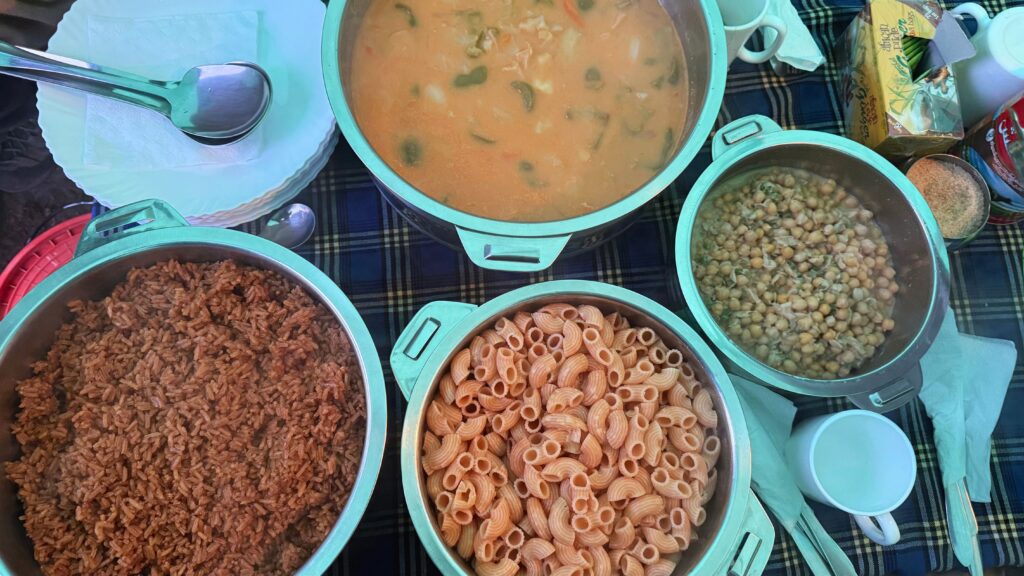
| Food | Basic carbs (rice and pasta) | Fresh, calorie-dense cooked meals | Gourmet and customizable multi-course menus |
| Safety Gear | Basic/minimal | Emergency O2 & daily monitoring | Advanced medical equipment |
Budget: ~$1,500–$2,000
At the lower end, you’re generally getting a group trek with basic camping, a larger group, and fewer staff per person. Pulse oximeters may be shared or malfunctioning, and emergency oxygen tanks are often omitted to cut costs. An unusually cheap price can also mean that things like airport transfers and hotel nights are not included.
While appealing for tight budgets, these operators can also carry ethical concerns around porter exploitation and significantly higher safety risks.
Mid-range: ~$2,000–$3,000
This is where you start getting more flexibility and a higher level of service. Groups are smaller, with more guides and porters relative to the number of hikers. Safety wise, you get medical-grade emergency oxygen, daily health checks with pulse oximeters, fully stocked first-aid kits, and guides certified in Wilderness First Responder (WFR).
You’ll also find more route and itinerary options at this price point. For many hikers (myself included), this is the sweet spot where you can get a comfortable, well-organized trek without paying for luxury.
Higher-end: $3,000+
At the higher end, you’re paying for a more personalized experience: private departures, smaller groups, premium camping setups, better meals, higher guide-to-hiker ratios, and nicer hotels before and after the trek.
Some operators also offer upgraded tents, private bathrooms, portable showers, or other comforts that make seven days on the mountain more comfortable.
Why you shouldn’t booking an ultra budget Kilimanjaro climb
Personally, I would be cautious about booking a <$1,500 budget seven-day trek. Look at the math: if $1,000 of that price is already going toward mandatory park-related fees, that leaves only $500 for everything else: food, camping equipment, wages for guides and porters, operational costs, and the company’s profit.
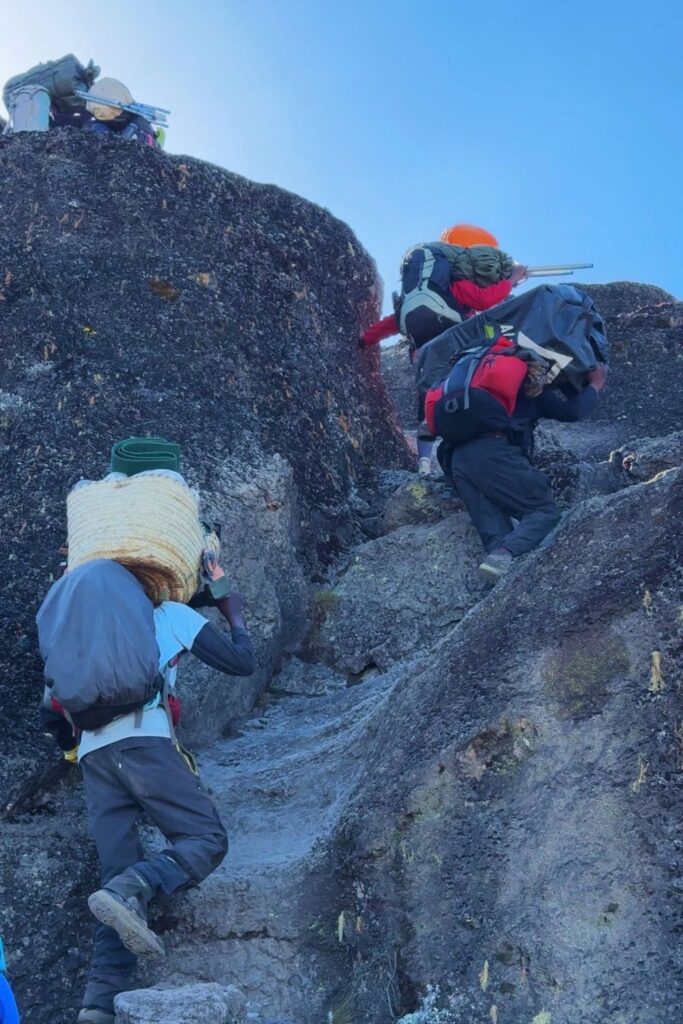
At that price point, there simply isn’t much room to cut costs. Porter wages are one of the few major expenses an operator can squeeze. Low-cost operators routinely underpay or fail to pay their porters, relying entirely on climber tips to cover their wages. In addition, porters in this tier often lack proper cold-weather gear, adequate daily meals, and safe sleeping quarters.
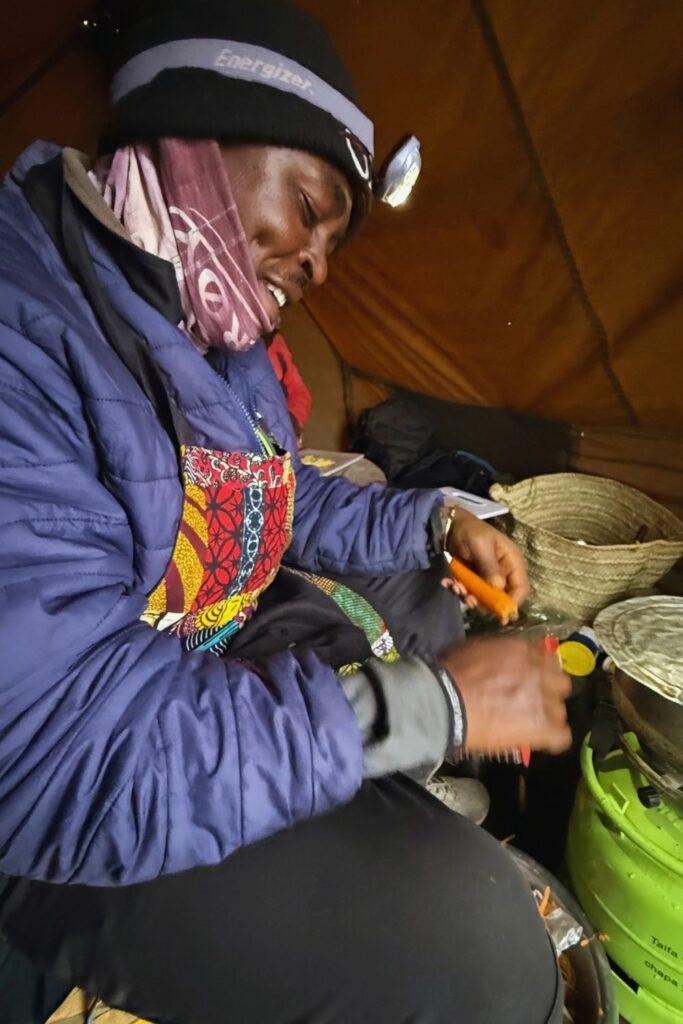
I recommend choosing a KPAP-certified tour operator when climbing Mount Kilimanjaro. The Kilimanjaro Porters Assistance Project (KPAP) is a porter-welfare program who works with climbing companies to monitor how they treat their mountain crew, including their wages, tipping practices, food, sleeping arrangements, equipment, and the maximum weight porters may carry.
How to Keep Kilimanjaro Costs Down
Book with a local tour operator
Booking directly with a Tanzania-based trekking company is often cheaper than booking through an international tour operator or third-party agency. International companies may subcontract the actual trek to a local operator while adding their own markup. I booked with Gladys Adventures. You can read about my day-to-day experience here.
Join a group trek
Private treks give you more flexibility, but joining a group can lower the per-person cost. If you’re traveling solo, ask operators about scheduled group departures rather than automatically booking a private trek.
Bring your own gear
Renting equipment in Tanzania is convenient, but the costs can add up. If you already own hiking gear, bring as much of it as practical. Prioritize the expensive items, such as a sleeping bag, down jacket, hiking boots, and trekking poles.
Consider a 7-day route
The longer your trek, the more you’ll pay in park fees, staff wages, food, and accommodation. A 7-day route (what I did) can cost less than an 8- or 9-day itinerary while still giving you time to acclimatize.
However, I would avoid anything shorter than seven days. Shorter routes generally have lower summit success rates because they give your body less time to adjust to the altitude. Saving a few hundred dollars isn’t particularly useful if it comes at the expense of your chances of reaching the summit.
What to Read Next: In-Depth East Africa Travel Guides
Planning an East Africa trip? These guides cover the itinerary, costs, and biggest experiences from my 5-week journey:
- Kilimanjaro Cost Breakdown: How I Spent $2,908 on the Lemosho Route: See exactly what I paid for the trek, including the tour, tips, gear rental, insurance, and other expenses.
- How to Book a Budget Tanzania Safari: Complete Cost & Planning Guide: Learn how to compare safari operators, choose a route, and plan a budget-friendly Tanzania safari.
- 4-Day Tanzania Budget Safari: My Experience with Suricata Safaris: A day-by-day look at my $800 camping safari through Tarangire, Serengeti, and Ngorongoro Crater.
- 5-Week East Africa Itinerary: Ethiopia, Rwanda, Uganda, Tanzania & Kenya: See how I structured 35 days across five countries, including gorilla trekking, Kilimanjaro, a Tanzania safari, Zanzibar, and Ethiopia.
- How Much Does an East Africa Trip Cost? My Full $9,503 Budget Breakdown: See exactly where my money went, from tours and hotels to flights, food, transportation, visas, and tips.
Kilimanjaro Cost FAQ
How much does it cost to climb Kilimanjaro?
My 7-day Lemosho route climb with Gladys Adventure came to $2,908 total, not including flights. The base trek package was $2,171, with the rest coming from tips, gear rental, single supplement, travel insurance, and one extra hotel night.
What is included in the cost of a Kilimanjaro trek?
Most trekking packages include park fees, camping or mountain accommodation, meals, guides, porters, and transportation to and from the trailhead. Some operators also include hotel nights and airport transfers.
How much should I budget for tipping?
Plan to spend several hundred dollars on tips, depending on the size of your crew and the length of your trek. Your trekking company should provide recommended amounts for each role before your trek. Tipping is generally separate from the advertised trek price. I tipped $333 for my 7-day Lemosho climb.
What other costs should I budget for?
Don’t forget about international and regional flights, visas, travel insurance, pre- and post-trek accommodation, airport transfers, gear, meals outside the trek, tips, laundry, souvenirs, and any activities you plan to do before or after climbing Kilimanjaro.
Can I climb Kilimanjaro on a budget?
Yes, but there’s a difference between reducing unnecessary expenses and choosing the cheapest possible trek. Booking with a reputable local operator, joining a group, choosing a reasonable-length itinerary, and bringing your own gear can all help reduce the total cost.
However, I would avoid companies advertising a price that’s too good to be true because they’re likely to skimp out on safety and porter welfare.port transfers, and equipment rentals. Always check what’s included before comparing prices between companies.
Do I need to pay for gear?
Not necessarily. You can bring your own gear or rent certain items in Tanzania. If you already own appropriate hiking equipment, bringing it with you can reduce your overall costs. Some operators also include certain equipment in their packages.
Is it cheaper to book Kilimanjaro directly with a local operator?
Yes, booking directly with a Tanzania-based trekking company often cost less than booking through an international operator or intermediary because you’re avoiding an additional markup. Also compare what each company includes before making a decision.
1 comment