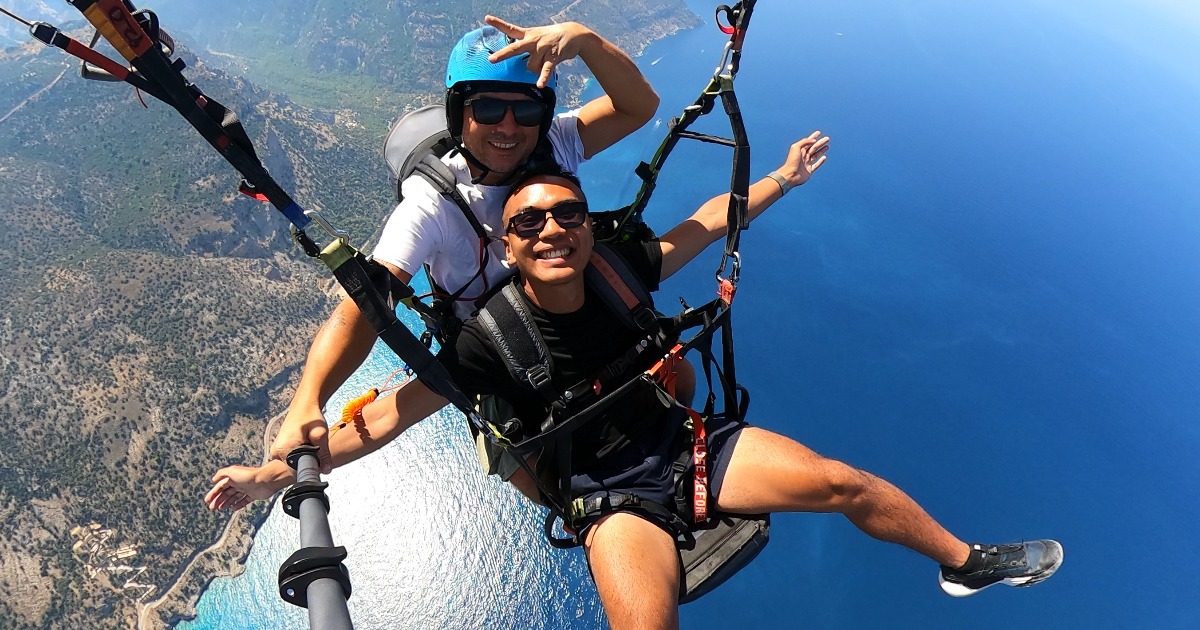
Turkey was the fourth and final stop on my month-long Balkans and Eastern Mediterranean itinerary, and it ended up being the highlight of the trip. In just over a week, I went from paragliding over the turquoise Blue Lagoon, to flying over fairy chimneys in a hot air balloon in Cappadocia, to eating my way through Istanbul’s street food scene.
This guide breaks down exactly how I put this Turkey itinerary together, what was worth it, and what I’d do differently.
Table of Contents
Turkey Itinerary At a Glance
This 8-day route covers Fethiye (paragliding over the Blue Lagoon, Ölüdeniz Beach), Cappadocia (sunrise hot air balloons, ATV tour through the fairy chimneys, underground cities), and Istanbul (Galata Tower, Hagia Sophia, Kadıköy street food). The trip cost me $1,637 per person in peak summer. Best months to go: May, June, or September.
| Day | Location | Activities |
|---|---|---|
| Day 1 | Fethiye | Ferry from Rhodes (Greece) |
| Day 2 | Fethiye | Paragliding, Ölüdeniz Beach, Turkish hammam |
| Day 3 | In Transit | Bus to Izmir; fly to Cappadocia |
| Day 4 | Cappadocia | ATV Sunset Tour |
| Day 5 | Cappadocia | Underground City; explore Uçhisar |
| Day 6 | Cappadocia | Sunrise hot air balloons; fly to Istanbul |
| Day 7 | Istanbul | Galata Tower, Hagia Sophia, Blue Mosque |
| Day 8 | Istanbul | Kadıköy Street Food; departure |
Turkey Budget Overview
I spent $1,637 on this Turkey route in late July and early August (peak season). This came out to an average of $205 per day.
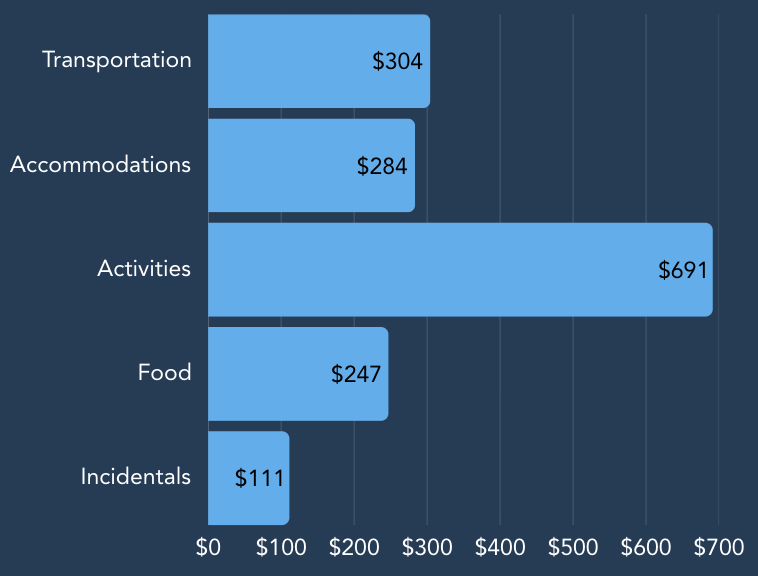
Activities were the biggest expense by a wide margin, coming in at $691. Turkey has quite a few bucket list experiences (paragliding in Fethiye, the hot air balloon ride in Cappadocia, ATV tours through fairy chimneys), and they add up quickly. If you want to cut costs, consider picking just one or two of these instead of doing them all.
Transportation was the second-biggest expense at $304, mostly because of the two domestic flights (İzmir to Cappadocia and Cappadocia to Istanbul). Intracity transport (local buses, taxis, shuttles) made up about a third of that.
Accommodations came out to $284 across Fethiye and Cappadocia. For Istanbul, we used 15,000 Hyatt Points plus an annual free night certificate for two nights at the Grand Hyatt Istanbul.
Day-by-Day Turkey Itinerary
Day 1: Arriving in Fethiye
Arriving in Fethiye from Greece: Take the ferry from Rhodes to Fethiye, which takes about 1 hour 45 minutes. I booked tickets through Ferry Hopper.
Arriving in Fethiye from elsewhere in Turkey: If you’re starting your trip somewhere else (like Istanbul or Antalya), the easiest way to reach Fethiye is to fly into Dalaman Airport (DLM), which is about an hour from town by shuttle or taxi.
Day 1 is a settle-in day. Once you’ve checked in, head down to the Çalış Beach boardwalk for a seafood dinner by the water.
Day 2: Paragliding and Ölüdeniz Beach
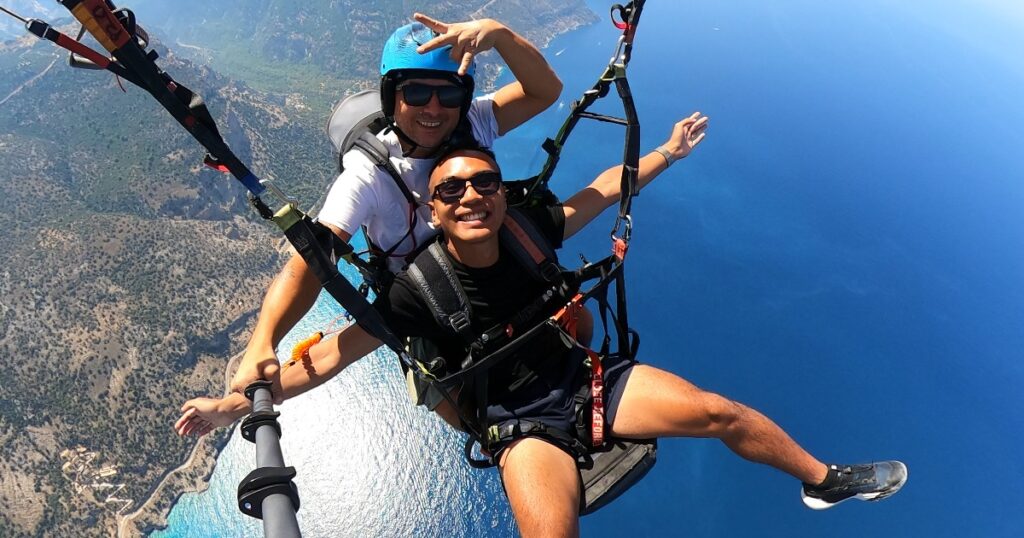
Today is the highlight of the Fethiye leg. Start your morning with a tandem paragliding flight over the Blue Lagoon. You’ll get picked up from your accommodation and driven up Babadağ Mountain for the takeoff. The views from the air are some of the most picturesque I’ve ever seen: turquoise water surrounded by forested mountains with Ölüdeniz Beach curving below.
After paragliding, spend the afternoon at Ölüdeniz Beach. It’s a pebble beach, which I personally prefer over the rocky or sandy beaches. Rent a sun bed, take a nap, and go for a swim.
In the evening, book a Turkish hammam experience. The flow is similar to a Moroccan hammam, but you start in a sauna before moving into the warm marble room for a soap foam massage and scrub. The deep tissue massage afterwards was strong in the best way. A great way to wind down after a high-adrenaline morning.
Day 3: Travel Day to Cappadocia
Today is a long travel day. There are no direct flights from Fethiye to Cappadocia, so the route I took was:
- Bus from Fethiye to İzmir: About 6 hours and $15. Buses run frequently and have AC, snacks, and Wi-Fi. Surprisingly comfortable for the price.
- Taxi from İzmir bus station to İzmir Airport (ADB): About 30 minutes. Make sure to either negotiate the price upfront or ask the driver to turn on the meter. We didn’t do this and had to pay more than expected.
- Flight from İzmir to Kayseri or Nevşehir: About 1 hour 30 minutes. Both airports serve Cappadocia. Kayseri (ASR) tends to have more flight options, while Nevşehir (NAV) is closer to Göreme.
- Shuttle or taxi from the airport to Göreme: About 1 hour from Kayseri or 40 minutes from Nevşehir.
All in, this took us about 12 hours door-to-door. Here are some other (potentially less painful) options to consider:
Alternative 1: Fly out of Dalaman (DLM) via Istanbul
Dalaman Airport (DLM) is the closest airport to Fethiye: about 50 minutes by shuttle, taxi, or HAVAŞ bus. The downside is that there are no direct flights from Dalaman to Cappadocia, so you’ll need to connect through Istanbul (IST) before continuing to either Kayseri (ASR) or Nevşehir (NAV).
- Total travel time: About 7–9 hours door-to-door, depending on your layover.
- Best for: Travelers who want to skip the long bus ride to İzmir and don’t mind a layover. This is also a good option if you want to do Istanbul next and then fly out of Cappadocia.
Alternative 2: Bus to Antalya (AYT); then fly to Kayseri
Antalya Airport (AYT) is the bigger sibling to Dalaman and offers direct flights to Kayseri (ASR). The bus from Fethiye to Antalya takes about 3.5–4 hours along a scenic coastal road, significantly shorter than the 6-hour İzmir bus.
- Total travel time: About 8–10 hours door-to-door. Note that Antalya’s main bus terminal (otogar) is about 30 minutes from the airport, so factor in another taxi or HAVAŞ shuttle ride between the two.
- Best for: Travelers who want a single flight (no layover) and a shorter bus ride than my route. The Antalya–Kayseri direct flight is also usually the cheapest of the bunch. Note that this route might not be available every day.
In short: Dalaman if you want the shortest ground transit and don’t mind a layover. Antalya if you want a direct flight and a more manageable bus ride. İzmir (my route) if you’ve got the cheapest flight deal there or want to combine the trip with an İzmir stopover.
Regardless of your route, plan to arrive in Göreme late and just crash. Save the sightseeing for tomorrow.
Day 4: ATV Sunset Tour
Sleep in and take it slow this morning, especially after yesterday’s long travel day. Head out for some Turkish coffee and baklava at one of Göreme’s many cute cafés. I really liked King’s Coffee Shop near our hotel. The pistachio Americano was refreshing and the owner was super friendly.
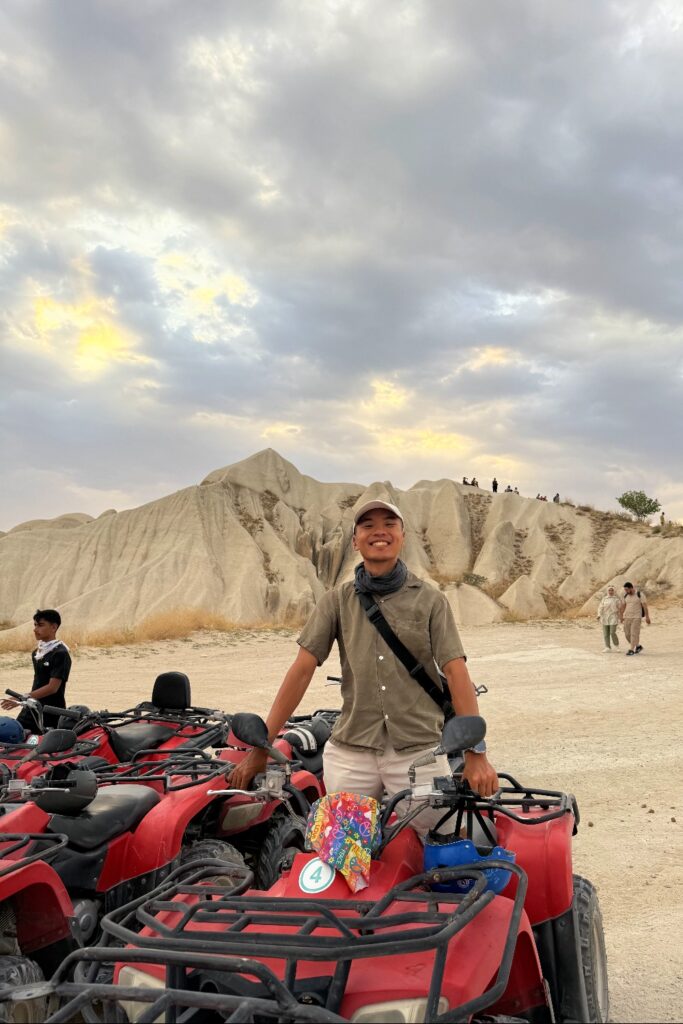
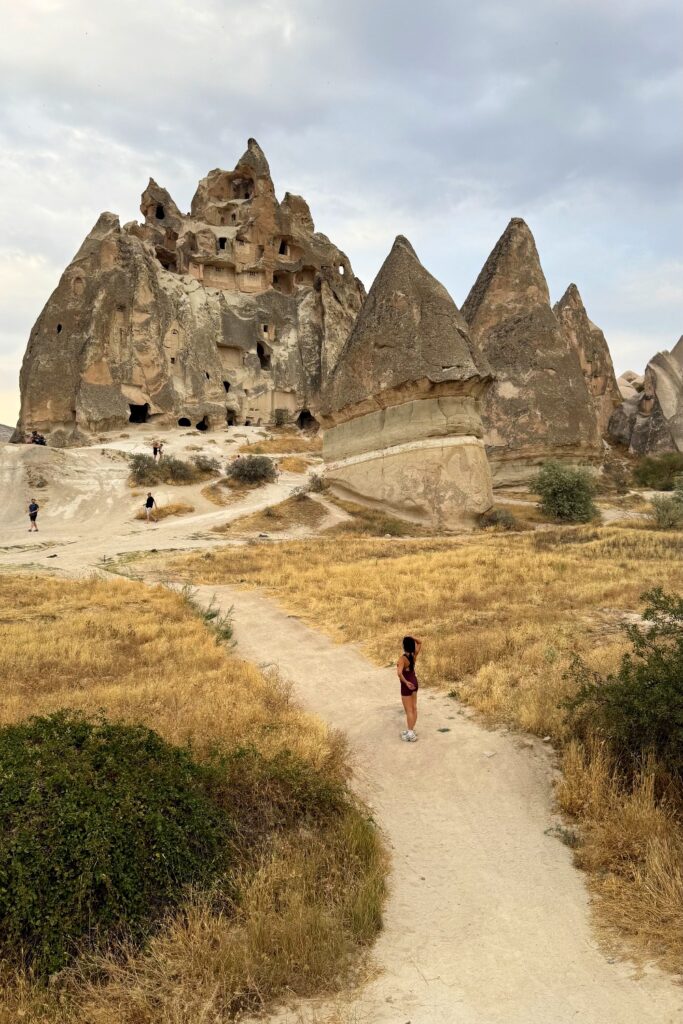
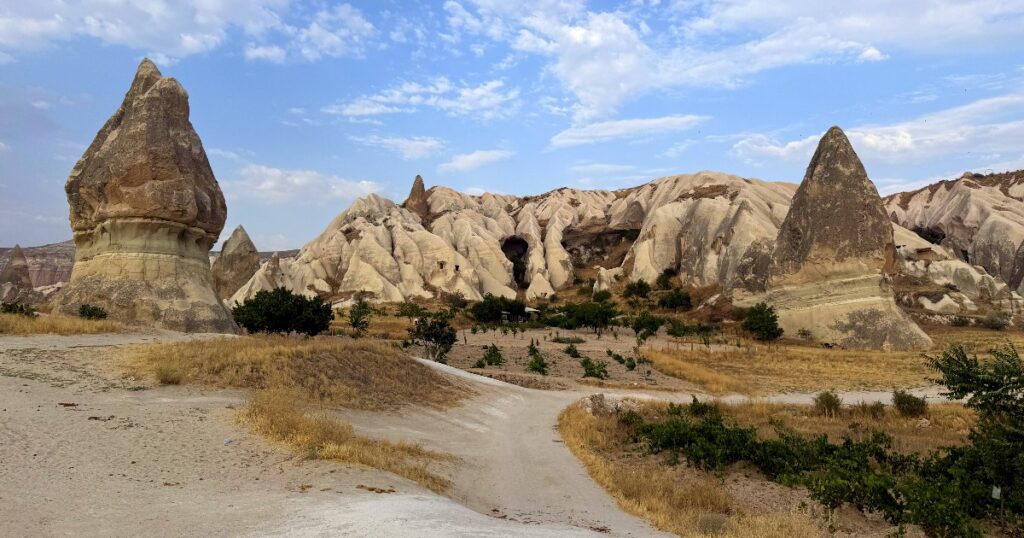
In the late afternoon, do an ATV sunset tour through the fairy chimneys (one of my favorite activities of the trip). Watching the sun set over the rock formations from the top of a viewpoint was spectacular.
Day 5: Underground City and Uçhisar
Today is a flexible day for exploring the rest of the Cappadocia region. Take the local bus from Göreme to visit one of the Underground Cities.
Which Underground City Should I Visit? Kaymaklı or Derinkuyu? Cappadocia has dozens of underground cities, but two get most of the attention: Kaymaklı and Derinkuyu. They’re only about 10 km apart, so it’s tempting to do both, but honestly, one is enough for most people. Here’s how to choose.
| Kaymaklı | Derinkuyu | |
|---|---|---|
| Depth | 4 levels open (8 total) | 8 levels open (up to 18 total) |
| Vibe | Wider corridors, more horizontal | Deeper, narrower, more dramatic |
| Crowds | Quieter, easier to navigate | Busier, especially midday |
| From Göreme | ~30 min by minibus | ~40 min by minibus |
| Claustrophobia level | Manageable | Tight in spots |
My take: if you’re going to visit only one, pick Derinkuyu; it’s the more impressive of the two. I went to Kaymaklı and was underwhelmed, and I think it was because I didn’t go with a guide. These sites are better experienced when you understand the history. Without that context, you really are just wandering through tunnels. Book a half-day tour from Göreme (such as this one) that includes Derinkuyu plus a couple of nearby valleys for the most bang for your buck.
In the afternoon, make your way to Uçhisar, a small town built around a tall castle-like rock formation. The views from the top of Uçhisar Castle stretch across the entire region. I didn’t have time to climb the castle myself, but the panorama from the surrounding cafés is also stunning.
For dinner, splurge on a scenic restaurant overlooking the fairy chimneys. Seki Restaurant and Lounge in Uçhisar was one of the most memorable meals of the trip. Order the pottery kebab, which is sealed in clay and cracked open tableside.
Day 6: Hot Air Balloon and Flying to Istanbul
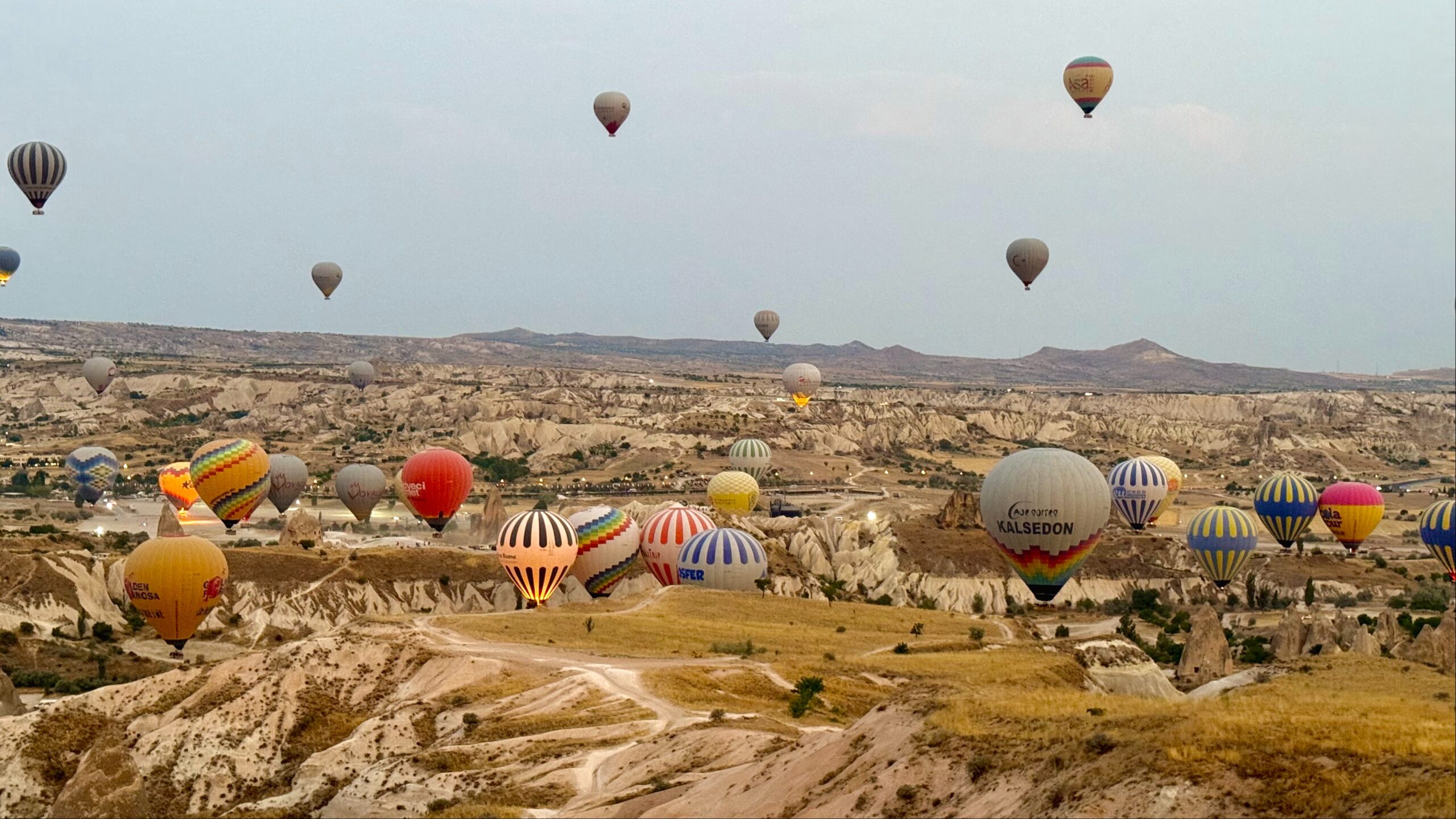
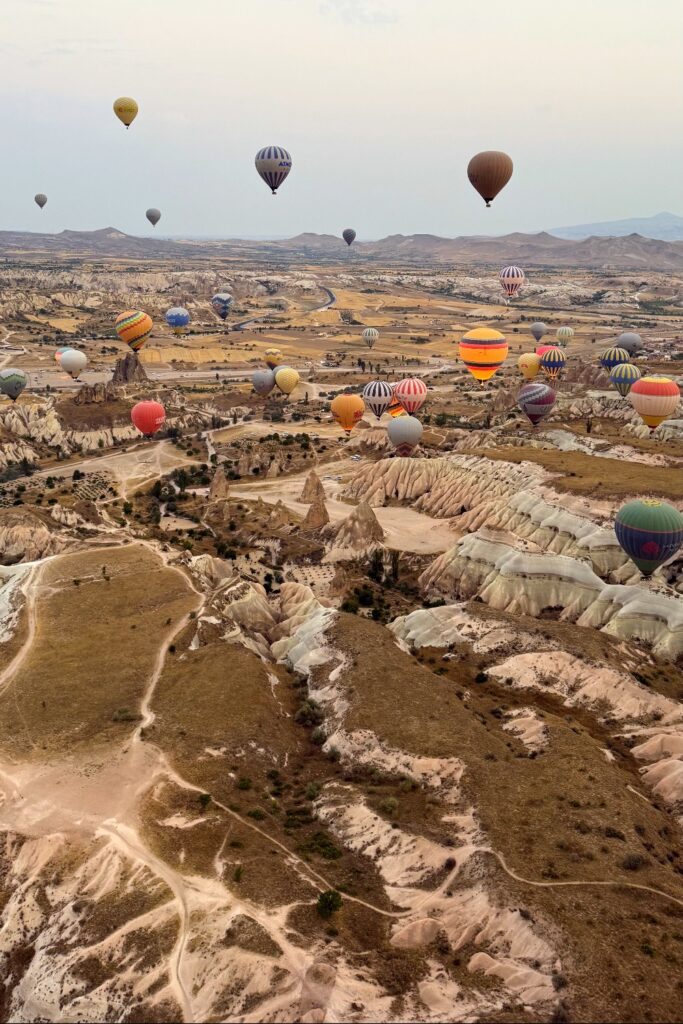
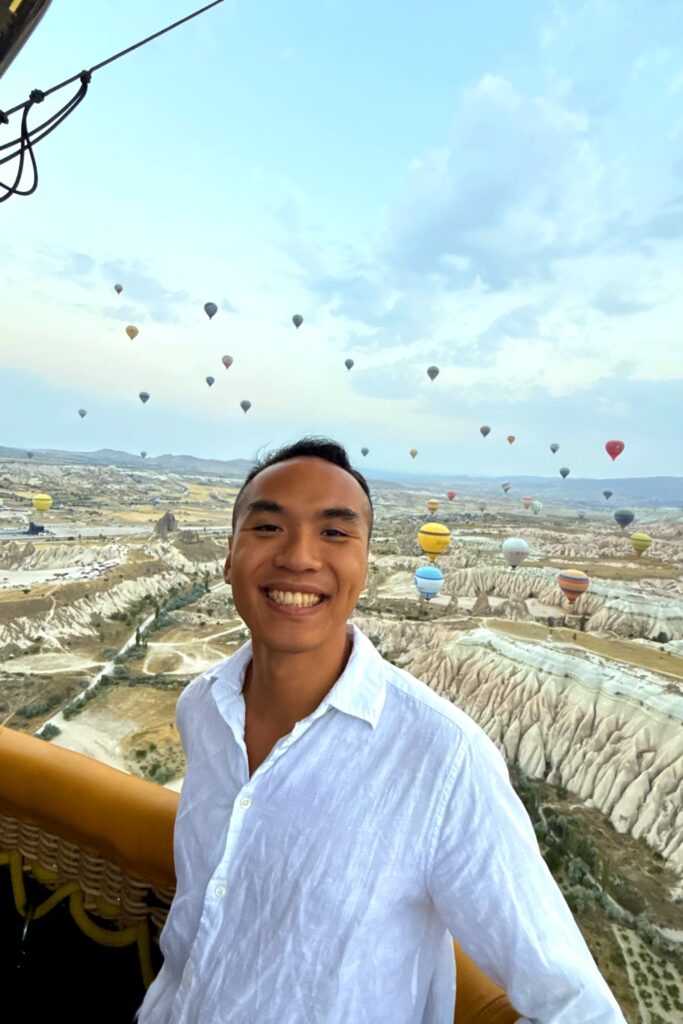
Set your alarm for 3 AM. The hot air balloon ride at sunrise is the iconic Cappadocia experience, and it absolutely lives up to the hype. Floating above the fairy chimneys with hundreds of other balloons drifting in the same sky is surreal. The whole flight lasts about an hour, and you land with a celebratory glass of champagne to top it off.
After the flight, head back to your hotel for breakfast and a quick nap. Then make your way to the airport for your flight to Istanbul. The flight is about 1 hour 30 minutes, but the door-to-door journey takes up a decent chunk of the day once you factor in the airport runs and Istanbul traffic. For the rest of the day, I just walked around Taksim square and found a bite to eat.
Day 7: Exploring Istanbul
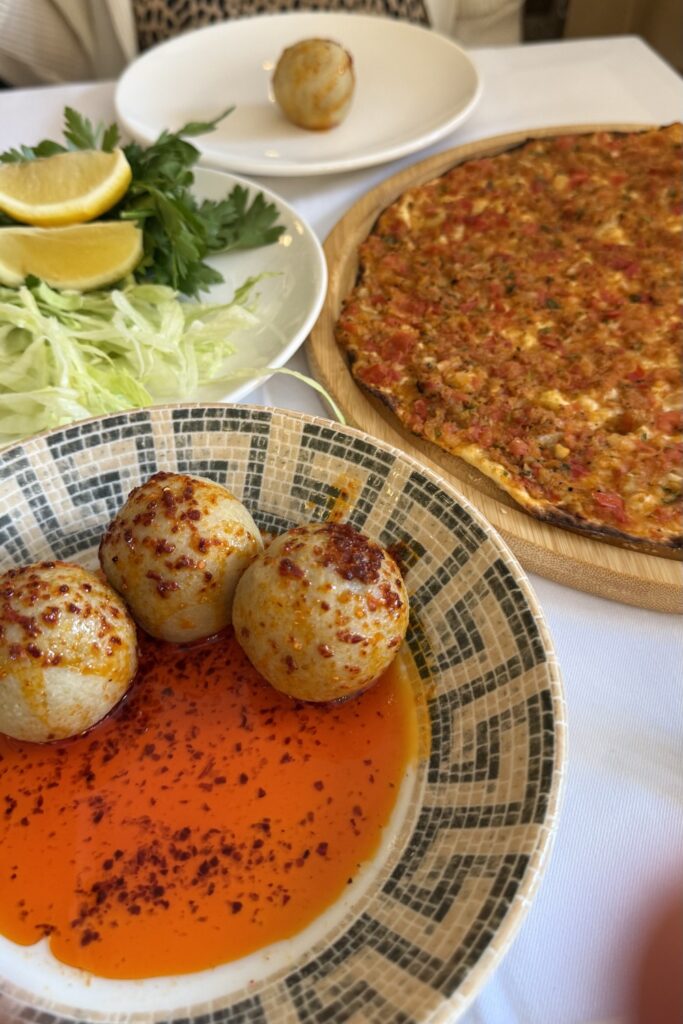
Today is an Istanbul exploration day. Start with a long lunch of Turkish mezze and meatballs. Mahir Lokantası in Beyoğlu was hands down the best meal of the trip. The meatballs were next level, and the spread of side dishes was endless.
In the afternoon, walk to the Galata Tower. It’s a 220-foot medieval stone tower built in 1348 and is now an observation deck with panoramic views over the Bosphorus and the Old City. There’s an overhyped San Sebastián cheesecake spot in front of the tower. The cheesecake itself was nothing to write home about, but the view was nice.
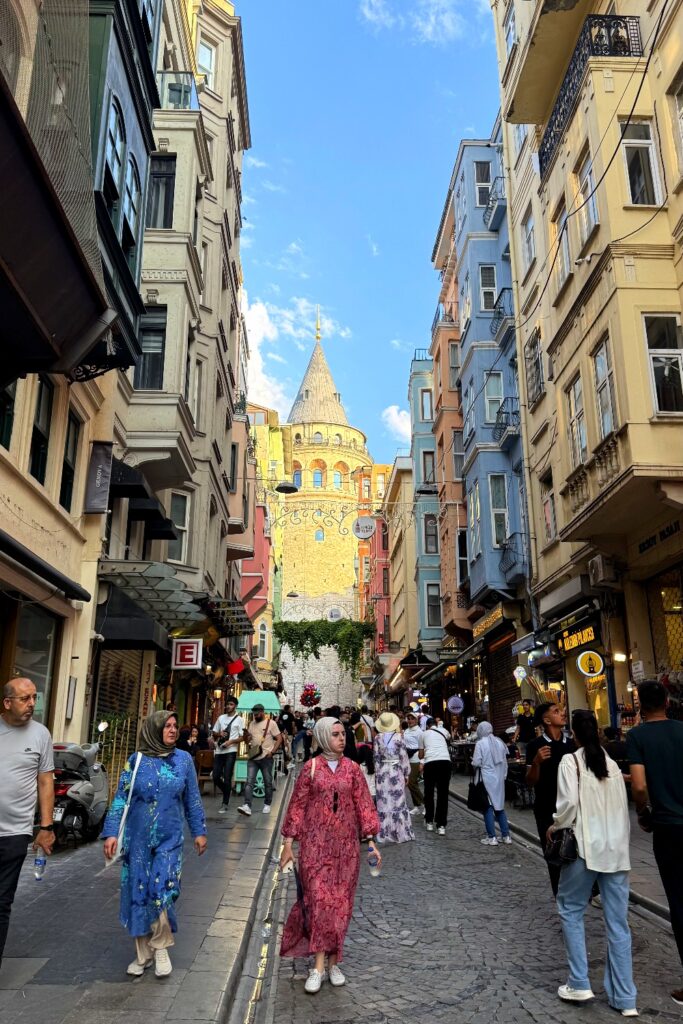
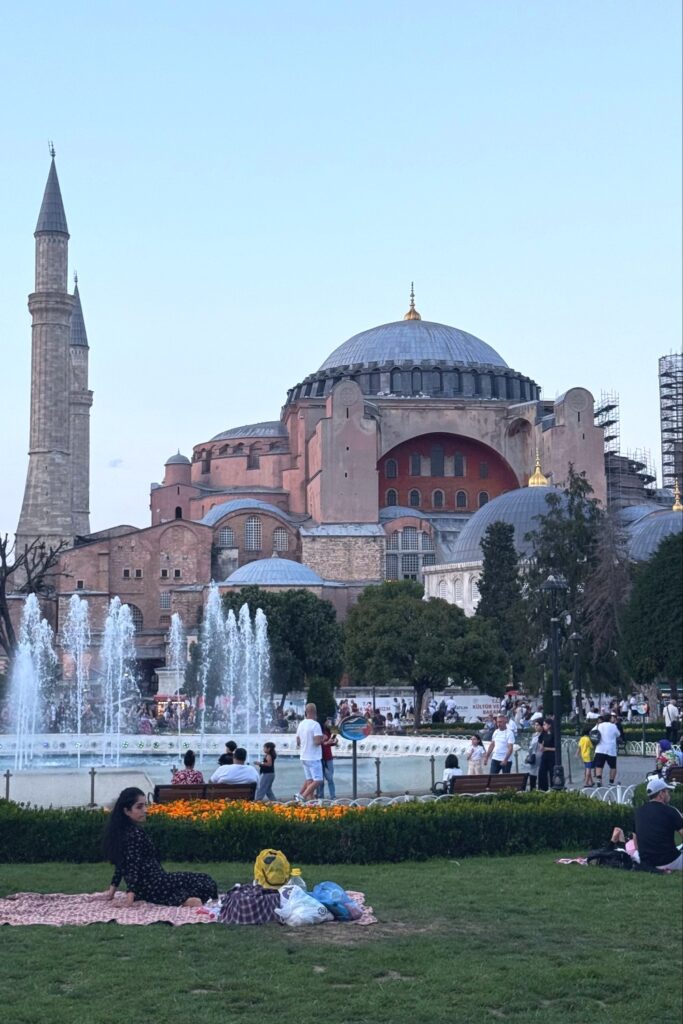
Then make your way to the Hagia Sophia and the Blue Mosque. Both are grand and impressive, even if you’re not into architecture. They’re right next to each other, so you can knock both out in under two hours. Dress respectfully (cover shoulders and knees) and bring a scarf if you’re entering the Blue Mosque.
For dinner, head to Karaköy for a fish wrap (balık ekmek) from one of the shops by the water. The bread is crispy, the fish is fresh, and the herbs and onion give it a bright finish.
Browse Istanbul Tours
Day 8: Kadıköy Food Tour and Departure
Wrap up your trip with a DIY street food tour in Kadıköy, the trendy neighborhood on the Asian side of Istanbul. Take the ferry across the Bosphorus from Karaköy. The crossing is only about 20 minutes and costs around $1. Watching the city skyline from the water is a great way to say goodbye to Turkey. Once you’re in Kadıköy, here’s what I’d try.
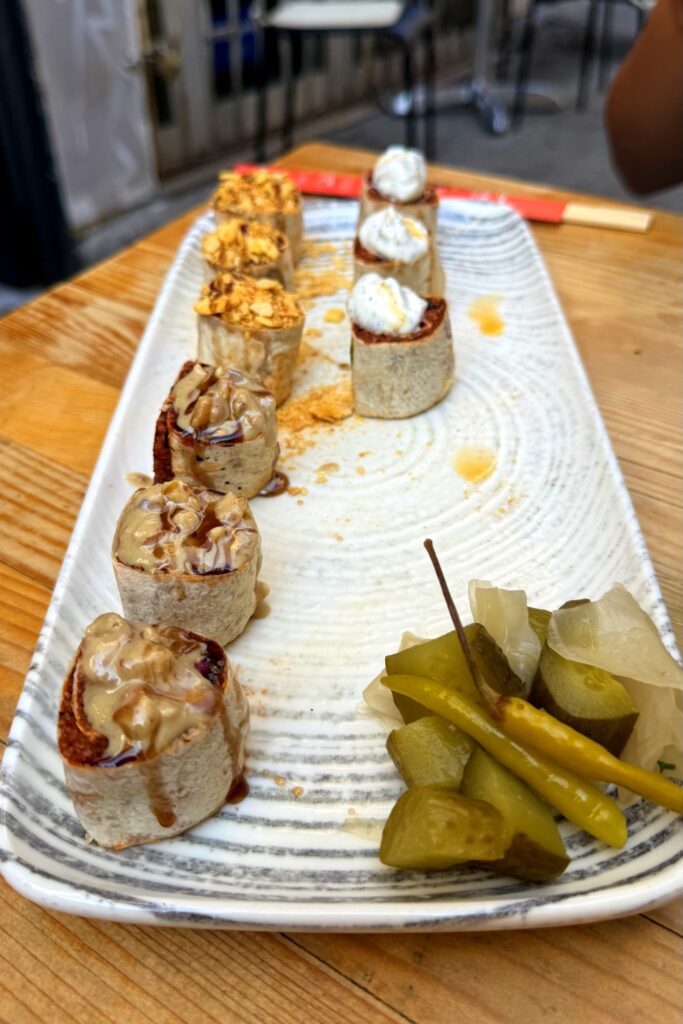
- Çiğ köfte: These vegan “meatballs” are full of flavor, especially when wrapped sushi-style with tahini. Try Marul Handmade Çiğ Köfte.
- Kokoreç: A grilled lamb intestine sandwich. I know how it sounds, but it does not smell or taste gamey at all. The seasoning and pepper acidity cut through the fat perfectly. Try Olimpiyat Kokoreç Kadıköy.
- Midye dolma: Stuffed mussels served with a squeeze of lemon.
- Künefe: A shredded pastry filled with melted cheese and soaked in syrup.
Turkey is the last stop on this Balkans & Eastern Mediterranean itinerary. Istanbul has direct flights to most major cities worldwide, so it’s an easy departure point. Just make sure to leave plenty of buffer time as Istanbul traffic can get bad. Note that Istanbul has two airports, and which one you fly out of can make a big difference in price.
- Istanbul Airport (IST) is the massive new hub on the European side and handles most long-haul international flights.
- Sabiha Gökçen (SAW) sits on the Asian side and is mostly served by budget carriers like Pegasus; flights here are often 30–50% cheaper, especially for domestic and short-haul European routes. SAW is also a quick metro ride from Kadıköy (about $1), so it’s surprisingly painless to get to if you’re staying on the Asian side.
Always check both airports when comparing prices. For example, my flight from SAW to BSZ (Bishkek, Kyrgyzstan) was only $99. The one leaving from IST would have cost $250.
Where to Stay in Turkey
Total cost for accommodations was $567 (which I split with my friend). For the Istanbul hotel, we used credit card points and a free night certificate. Here’s a breakdown by stop.
| Location | Nights | Total Cost | Per Person, Per Night |
|---|---|---|---|
| Fethiye | 2 | $216 | $54 |
| Cappadocia (Göreme) | 3 | $351 | $58 |
| Istanbul | 2 | Points | — |
Fethiye
Fethiye has two main areas to stay: Çalış Beach (quieter, with a long boardwalk and easier access to the dolmuş routes) or Ölüdeniz (closer to the Blue Lagoon and more touristy). I enjoyed my stay at Ten Apart Hotel in the Çalış area and liked it for the relaxed atmosphere and waterfront restaurants.
Cappadocia
Stay in Göreme, the central village in Cappadocia. It’s the most walkable and where most ATV tours, hot air balloon companies, and restaurants are based.
Is staying in a cave hotel worth it? Yes! Staying in a cave hotel was one of the most unique lodging experiences I’ve had anywhere in the world. These accommodations are carved directly into the region’s soft volcanic rock, blending centuries of history with modern comforts. Besides the novelty, cave hotels offer an unforgettable atmosphere and often feature rooftop terraces where you can watch the famous sunrise hot air balloons.
The good news is that you don’t have to spend a fortune; there are plenty of affordable options alongside the luxury properties (my stay cost $351 for three nights). I stayed at Concept Caves Suites and would recommend it for its comfortable rooms, great breakfast, and kind staff.
Istanbul
Stay in Beyoğlu (around Taksim or Galata) for the best access to restaurants, cafés, and walkable nightlife. Sultanahmet is also an option if you want to be closer to the Hagia Sophia and Blue Mosque, but it leans more touristy and quieter at night. I enjoyed my stay at the Grand Hyatt Istanbul.
How to Get Around Turkey
Getting around Turkey on this itinerary involves a mix of domestic flights, taxis, intracity buses, local minibuses (dolmuş), and metro rides.
Domestic flights
Turkey has several budget airlines, and flights are usually $70–80 if booked a few weeks in advance. I recommend flying instead of taking overnight buses for any leg over 6 hours.
Buses and dolmuş
Turkey’s intercity bus network is excellent. Companies like Pamukkale, Kamil Koç, and Metro Turizm cover most of the country. I booked through FlixBus.
Dolmuş are shared minibuses that run shorter routes within and between nearby towns. They’re cheap and run frequently, but can be confusing if you don’t know exactly where to get off. Track yourself on Google Maps and ask the driver if you’re unsure. Watch this reel to see how I navigate getting myself home from Ölüdeniz Beach.
Taxis
Taxis are the most convenient for short hops, but always either negotiate the price upfront or ask the driver to use the meter. Some drivers will quote tourist prices if you don’t push back. BiTaksi is a popular app in Istanbul that works similarly to Uber.
Transportation Prices
Intracity transport totaled to $202. Here are the routes:
| Route | Transport | Travel Time | What I Paid |
|---|---|---|---|
| Rhodes (Greece) → Fethiye | ⛴️ Ferry | 2h | $43 |
| Fethiye → İzmir | 🚌 Bus | 6h | $15 |
| İzmir → Cappadocia | ✈️ Flight | 1h 30m | $69 |
| Cappadocia → Istanbul | ✈️ Flight | 1h 30m | $75 |
Intercity transport (local buses, taxis, shuttles, and metro rides within each city) totaled $103. A few sample fares:
- Kaymaklı → Nevşehir bus: $1.23
- Uçhisar → Göreme taxi: $6.88
- Göreme → Nevşehir Airport shuttle: $11.40
- Kadıköy → Sabiha Gökçen Airport (SAW) metro: $1
What to Eat in Turkey
Turkish food was the highlight of the entire month-long itinerary. I went in expecting just kebabs and left having tried things I’d never even heard of.
Dishes to try:
- Adana kebap: Spiced minced lamb grilled over charcoal on a wide metal skewer and served with flatbread, grilled peppers, onions, and tomatoes. Smoky, juicy, and packed with flavor, it’s a must-try in Istanbul.
- Turkish meatballs (köfte): Seasoned ground meat formed into small patties and grilled until perfectly charred on the outside. You’ll find them all over Turkey, but the best version I had was at Mahir Lokantası in Beyoğlu.
- Çiğ köfte: Originally made with raw meat, today’s version is typically vegan and prepared with bulgur, spices, and tomato paste. Wrapped in lettuce with pomegranate molasses or tahini, it was one of the best things I ate all month. Try it at Marul Handmade Çiğ Köfte.
- Kokoreç: Finely chopped lamb intestines seasoned with herbs and spices, grilled until crispy, and stuffed into crusty bread. It may not sound appetizing, but trust me, it’s delicious and one of Turkey’s most beloved street foods. Try it at Olimpiyat Kokoreç Kadıköy.
- Balık ekmek (fish wrap): A Karaköy classic featuring freshly grilled fish tucked into crusty bread with lettuce, onions, and a squeeze of lemon. Simple, fresh, and incredibly satisfying.
- Pottery kebab: A Cappadocia specialty where meat, vegetables, and spices are slow-cooked inside a sealed clay pot. The pot is dramatically cracked open at your table, revealing an incredibly tender and flavorful stew.
- Baklava: Layers of delicate filo pastry filled with chopped pistachios or walnuts and soaked in sweet syrup. Skip the mass-produced versions and seek out a freshly made piece; the crisp texture and rich nutty flavor are on another level!
- Turkish coffee: Finely ground coffee brewed unfiltered in a small copper pot called a cezve and served in a tiny cup. It’s rich, strong, and meant to be sipped slowly, leaving a thick layer of coffee grounds at the bottom.
- Turkish tea (çay): The country’s go-to drink, served in distinctive tulip-shaped glasses throughout the day. Brewed strong in a double teapot and typically enjoyed without milk, it’s the perfect companion to a conversation, meal, or sweet treat.
What to budget: A traditional sit-down meal runs $10–20 per person at most local restaurants. More scenic, touristy restaurants in places like Uçhisar will run $30–50 per person.
What to Do If You Have Extra Time
If you have time to spare in Turkey, consider these add-ons:
- Pamukkale: The famous white travertine terraces and the ancient ruins of Hierapolis. Easy to reach by bus from Fethiye or Izmir, and a memorable add-on.
- Antalya: A coastal city with Roman ruins, beach access, and great seafood. A natural extension of the Fethiye leg if you want more time on the Turquoise Coast.
- An extra day in Cappadocia: Visit the Göreme Open Air Museum or hike the Red and Rose Valleys.
- An extra day in Istanbul: The city is huge, and two days barely scratches the surface. Add a day for the Grand Bazaar, Topkapı Palace, or a Bosphorus cruise.
How to Visit Turkey As Part of a Longer Trip
Turkey is the final country on my month-long Balkans route. From Istanbul, you can fly directly to most major cities worldwide, making it an easy departure point.
If you want to see the rest of the trip, check out my other guides:
- 1 Month Balkans+ Itinerary (Montenegro, Albania, Greece, Turkey)
- 4 Days In Montenegro (Kotor, Budva, Perast)
- Top 5 Things To Do In Kotor
- 8 Days In Albania (Shkodër, Lake Koman, Tiranë, Gjirokastër, Sarandë, Himarë)
- 9 Days In Greece (Corfu, Athens, Paros, Santorini, Rhodes)
Frequently Asked Questions
Is Turkey worth visiting?
Yes, without question. In one country, you get the turquoise coast of Fethiye, the otherworldly Cappadocia landscape, and the bustling atmosphere of Istanbul. Plus the food, which I’d put in my top 5 favorite cuisines in the world.
Do I need a visa for Turkey?
It depends on your passport. US citizens can enter Turkey visa-free for stays under 90 days. Some other nationalities need to apply for an e-visa online before arrival. Check the latest entry requirements for your specific passport before travel.
Is Turkey safe?
Yes, I felt safe throughout the trip, including in busy parts of Istanbul late at night. The usual precautions (watch your belongings in crowded areas, agree on taxi prices upfront) apply. Be cautious of common tourist scams in Istanbul, like overpriced “cleaning” services or shoeshines.
What currency does Turkey use?
The Turkish lira (TL or ₺). Cards are widely accepted in Istanbul and at most restaurants and hotels. Cash is useful for taxis, dolmuş, and smaller stalls. ATMs are easy to find in cities.
What language is spoken in Turkey?
Turkish. English is common in tourist areas like Istanbul, Fethiye, and Cappadocia, but a translation app helps a lot in smaller towns and with taxi drivers. A few basic phrases go a long way: merhaba (hello) and teşekkür ederim (thank you).
When is the best time to visit Turkey?
May, June, and September are the sweet spots: warm weather, fewer crowds, and lower prices than peak summer. July and August are beautiful but very hot, especially in Cappadocia where temperatures can reach the high 90s Fahrenheit (30s Celsius). Spring and fall are also better for hot air balloon flights, since wind cancellations are less common.
How many days do you need in Turkey?
For most travelers, 7–10 days is ideal for a first trip covering Fethiye, Cappadocia, and Istanbul. If you only have time for one stop, choose Istanbul. If you have two stops, do Cappadocia and Istanbul.
Will my Cappadocia hot air balloon flight get cancelled?
Maybe. Cancellations due to wind are common in summer. Always book your flight for the first morning of your stay so you have buffer days to rebook if needed. If you only schedule it for the last morning and it gets cancelled, you’re out of luck.
Is Turkey cheap in 2026?
Not that cheap. Before my trip, I heard so many people say how cheap it is to travel to Turkey. While that may have been true a few years ago, it’s not true now. Accommodation, meals, and especially activities (paragliding, hot air balloon, ATV tour) have gotten pricy. The prices listed throughout this post will give you an idea of what to expect.