When I started planning my summer trip after getting laid off, I wanted a region with:
- Good weather
- Beach, mountain, and city
- Both famous highlights and underrated gems
- No rental car or self-driving needed
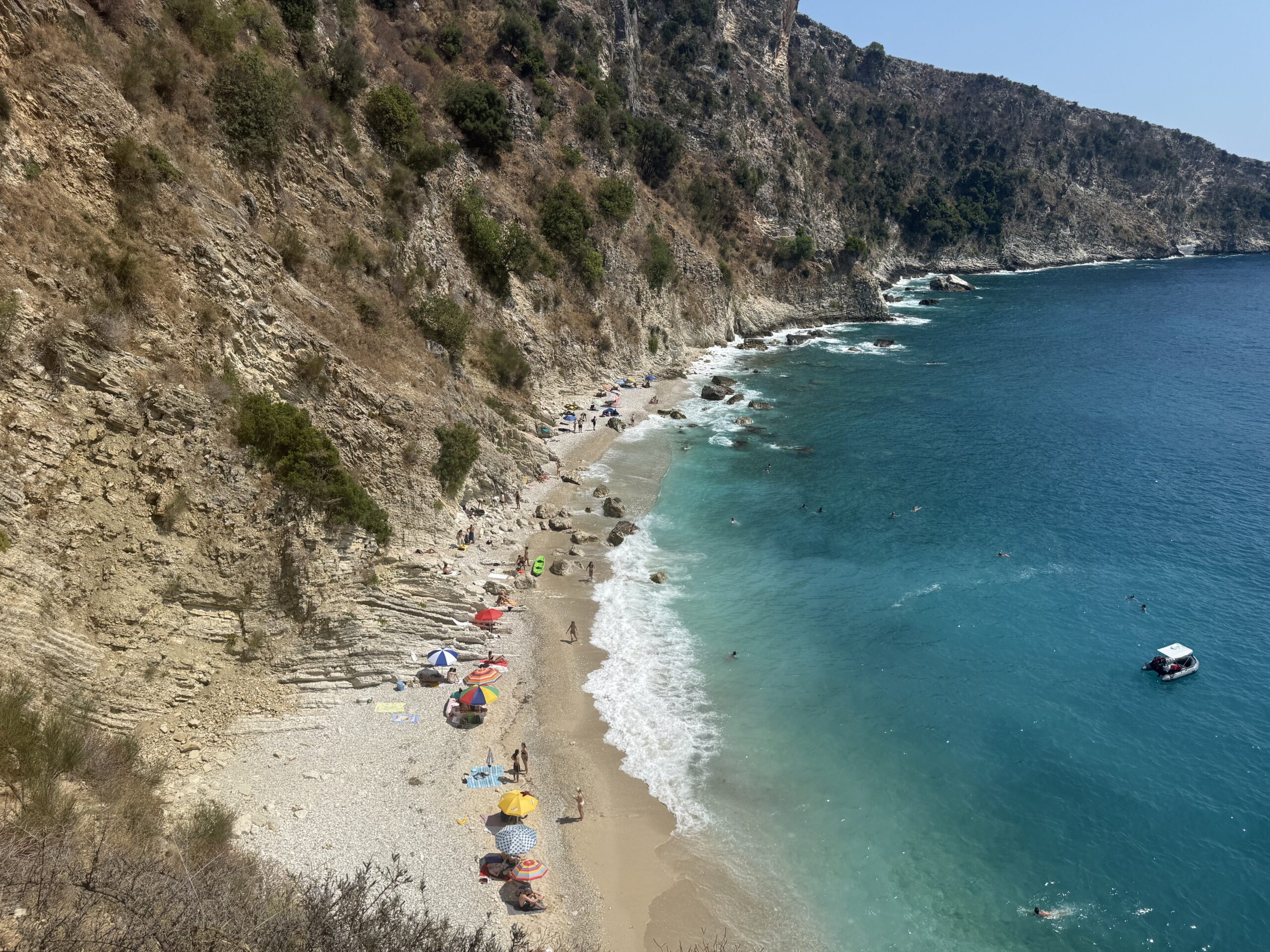
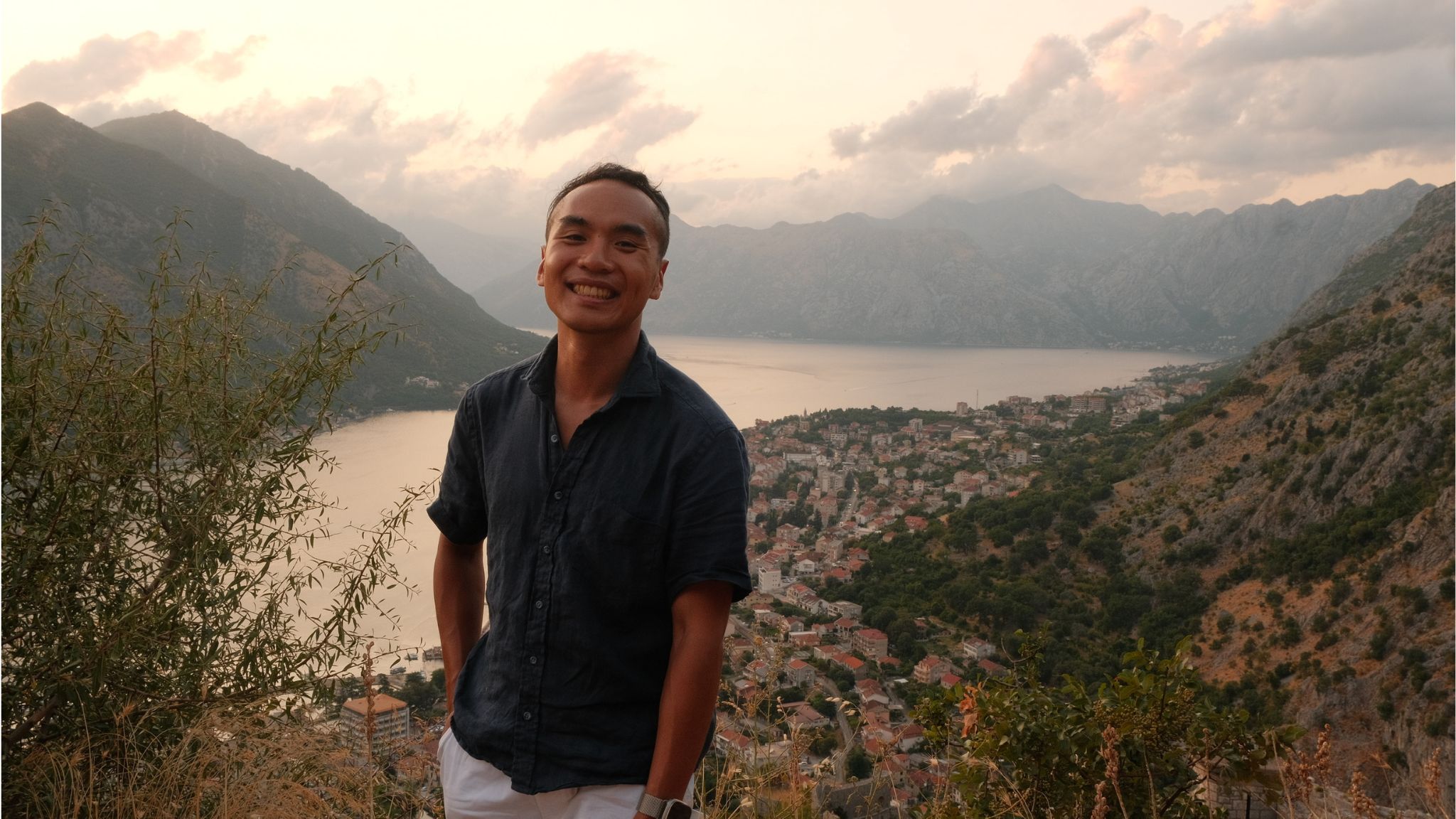
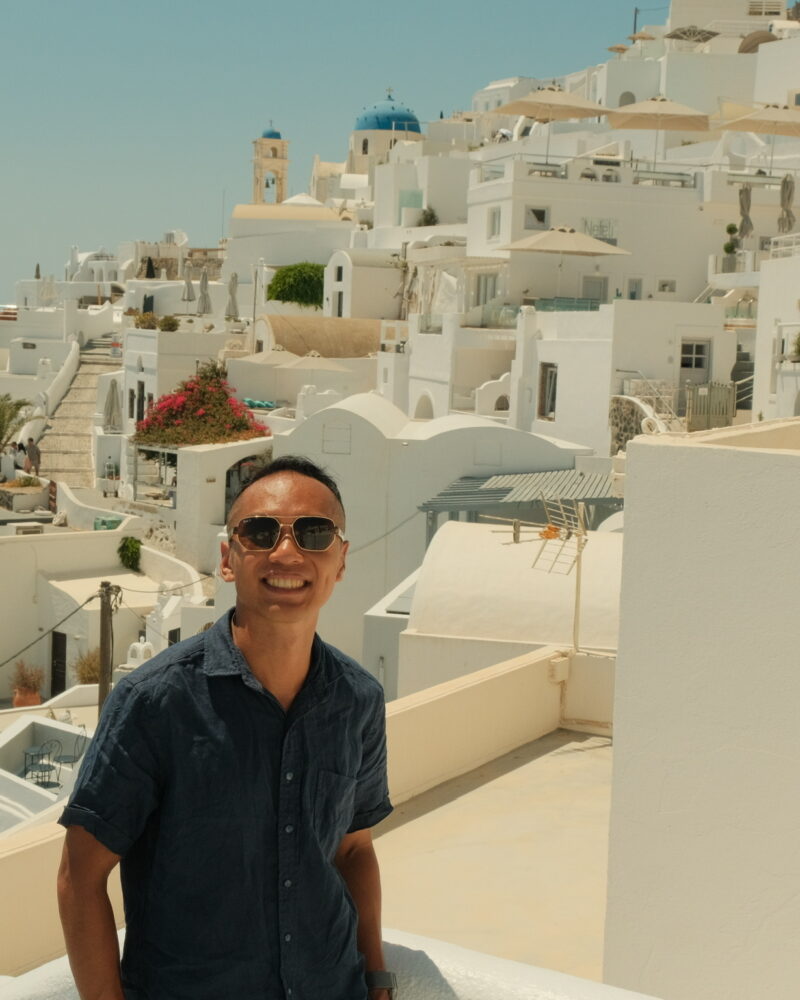
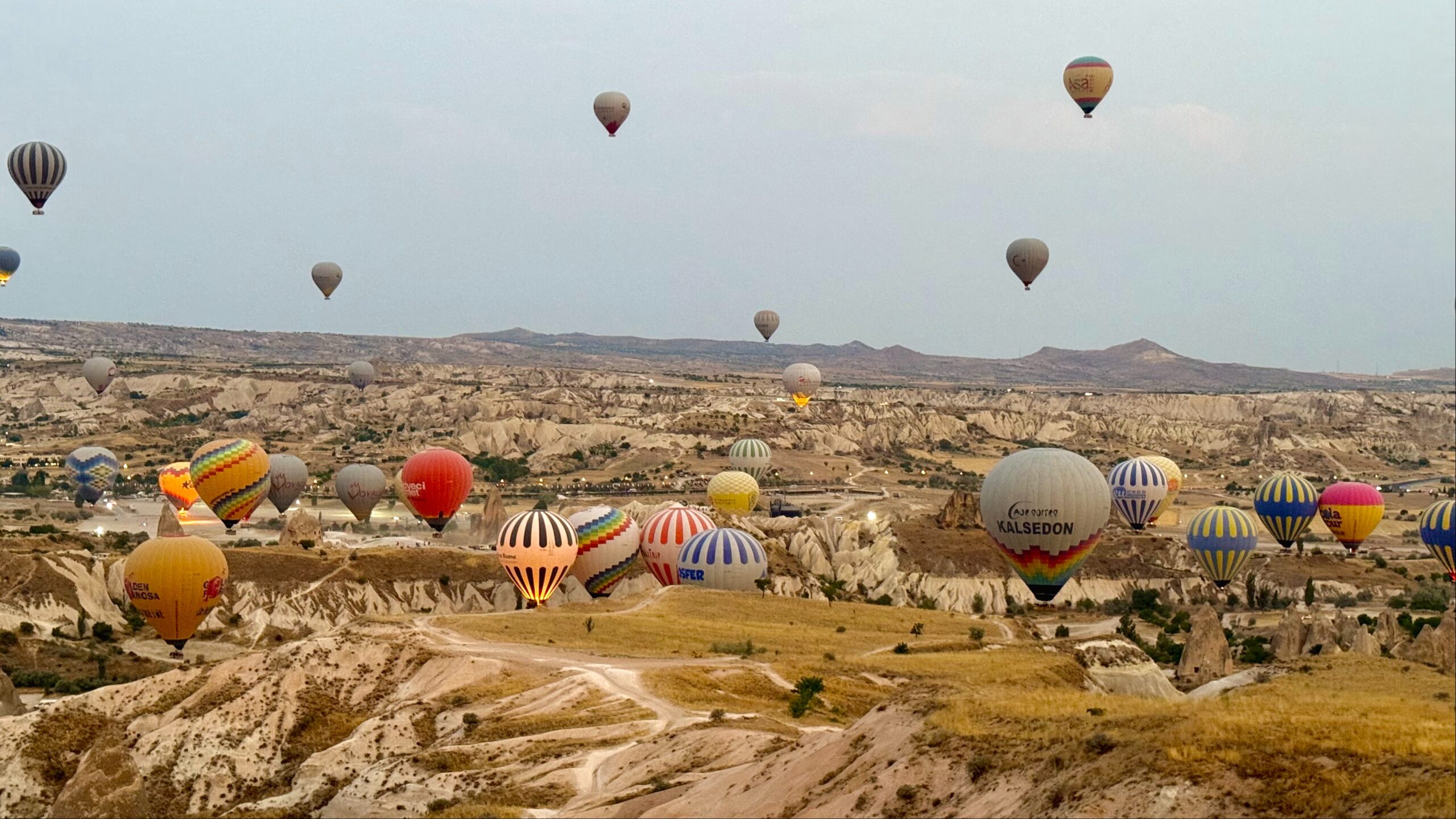
The Balkans and Mediterranean (Montenegro, Albania, Greece, and Turkey) checked all of these off. Within a relatively compact region, these countries felt completely different from one another. Here are some of the highlights:
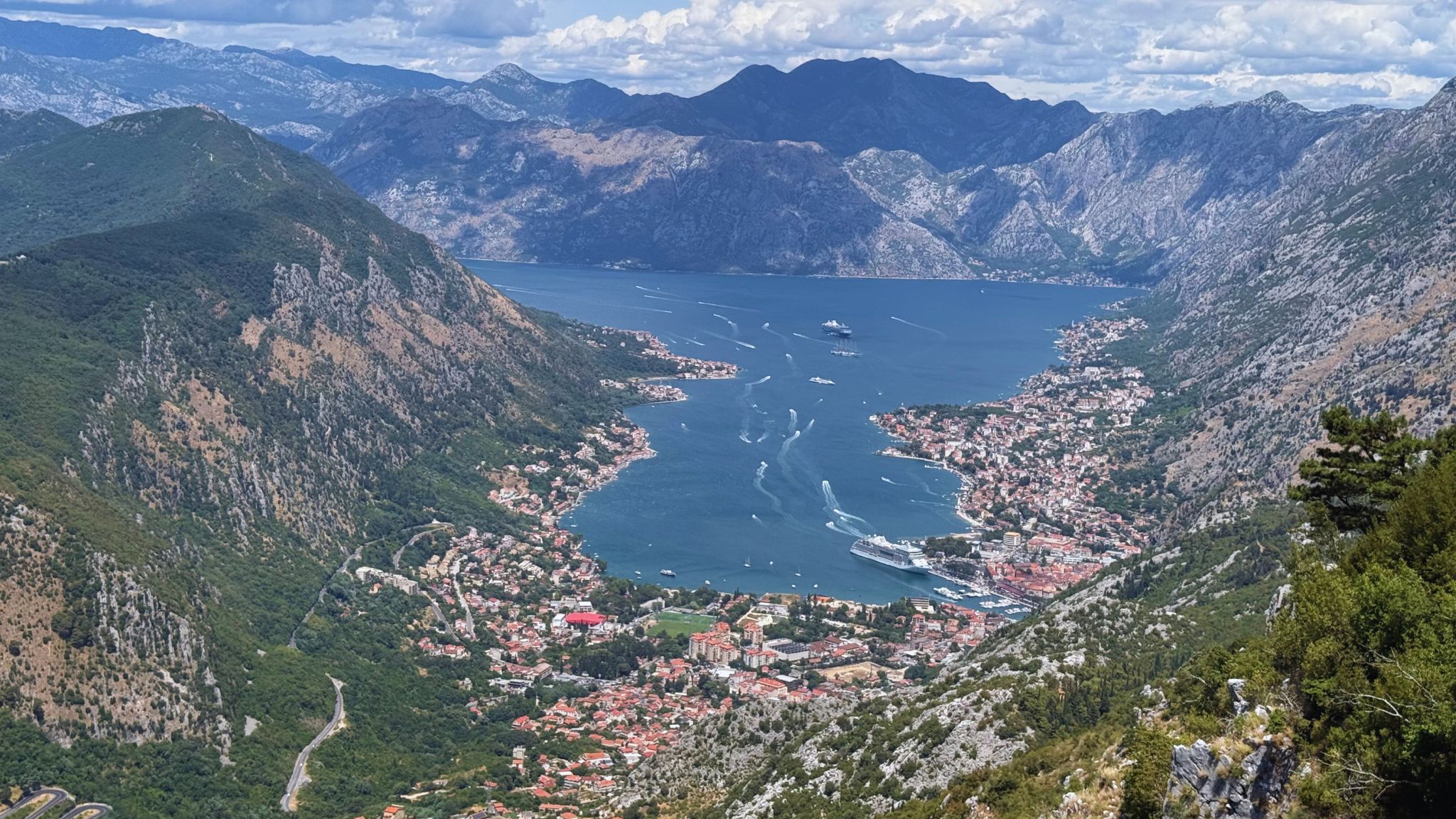
- Dramatic mountain views in Kotor, Montenegro
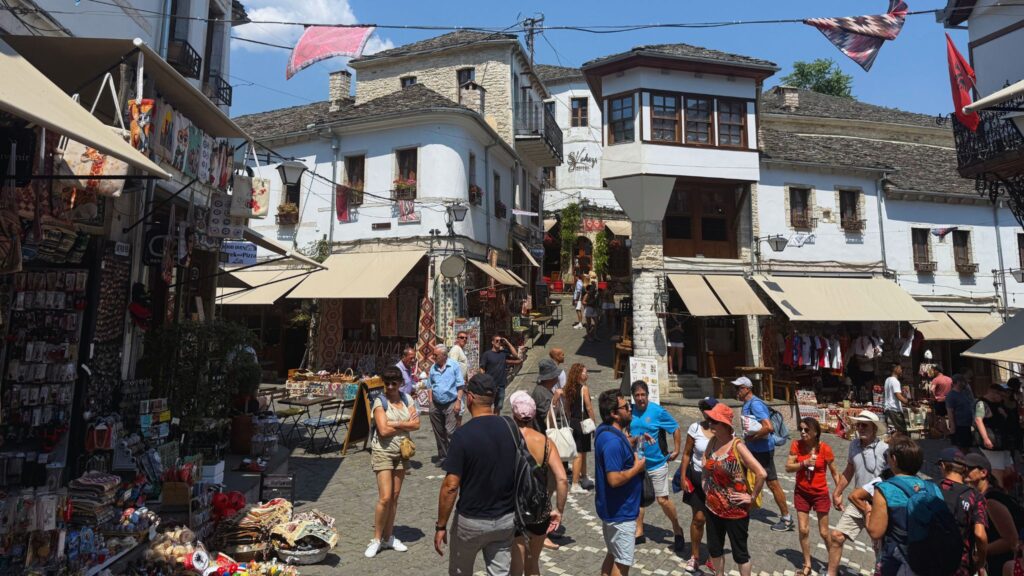
- Historic UNESCO sights in Gjirokastër, Albania
- Pristine, turquoise beaches in Paros, Greece
- Chaotic and bustling energy in Istanbul, Turkey
After spending a month traveling through this region, tracking daily expenses and transit times along the way, I’ve put together an itinerary that keeps logistics simple, costs reasonable, and experiences memorable. The route I designed makes moving between the four countries surprisingly easy, relying almost entirely on public transportation.
Table of Contents
1 Month Balkans Itinerary At A Glance
This Balkans+ route covers Montenegro, Albania, Greece and Turkey. I call it “Balkans+” because it stretches beyond the classic Balkans loop into Greece and Turkey. Over 28 days, the route moves north to south through Montenegro and Albania, then east across the Greek islands and into Turkey. This itinerary hits the following stops.
- Montenegro: Kotor, Budva, Perast
- Albania: Shkodër, Lake Koman, Tiranë, Gjirokastër, Sarandë, Himarë
- Greece: Corfu, Athens, Paros, Santorini, Rhodes
- Turkey: Fethiye, Cappadocia, Istanbul
The one-month Balkans trip costs about $4,800 per person during peak summer and is designed to be done entirely without a rental car (using buses, ferries, and short flights between cities).
Who This Balkans Itinerary Is For
This route is ideal for those who…
- Travel on a mid-range budget (private rooms, eating out every meal, occasional tours)
- Don’t mind public transportation (buses, ferries, metros) as the primary way to get between cities
- Are comfortable with a fast pace (1–3 days per stop)
- Want a mix of popular places (Greece and Turkey) and lesser-known destinations (Montenegro and Albania)
This route is not ideal for those who…
- Prefer slow travel or week-long stays in one place
- Dislike frequent transit days
- Want deep immersion in a single country
This route is even better if you can split lodging costs between multiple people (often the biggest expense). I traveled with a friend for the whole month, which helped keep accommodation costs reasonable. It’s still doable solo, but you may want to travel during shoulder season, stay in hostels, or budget a bit more for private rooms.
Overview of the 1 Month Balkans Route
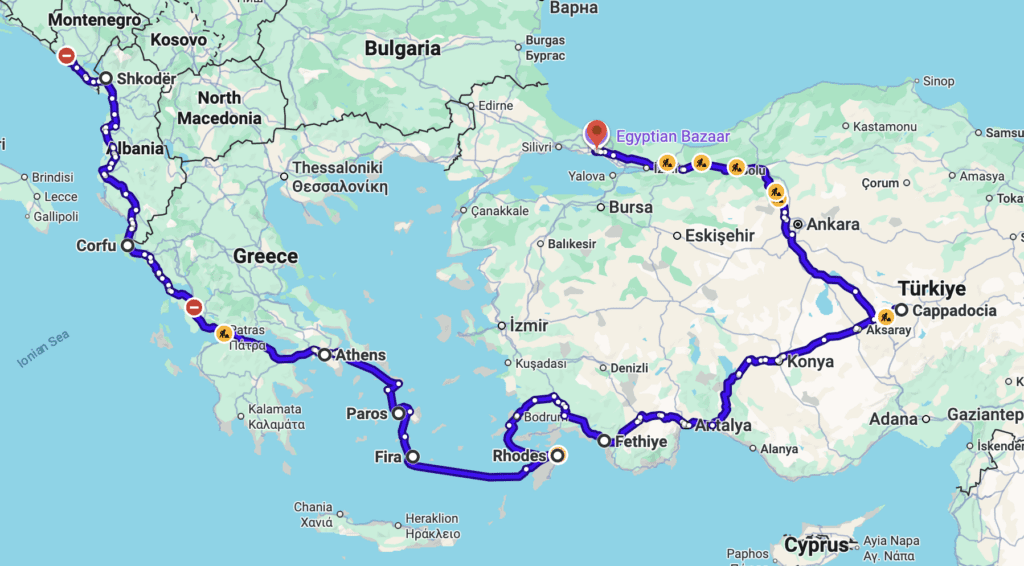
This route moves quickly, but it’s designed to be manageable. If you’d like a more relaxed pace, extending the trip to 6–8 weeks gives you extra breathing room without changing the overall flow.
| Days | Country | Stops | Highlights |
|---|---|---|---|
| 1–4 | Montenegro | Kotor, Budva | Fortress towns, stunning mountains, coastlines |
| 5–12 | Albania | Shkodër, Lake Koman, Tiranë, Gjirokastër, Sarandë, Himarë | Alpine lakes, historic towns, Riviera coast |
| 13–20 | Greece | Corfu, Athens, Paros, Santorini, Rhodes | Ancient sites, turquoise beaches, cliffside views |
| 21–28 | Turkey | Fethiye, Cappadocia, Istanbul | Breathtaking landscapes, bucket-list experiences |
Week 1 – Montenegro
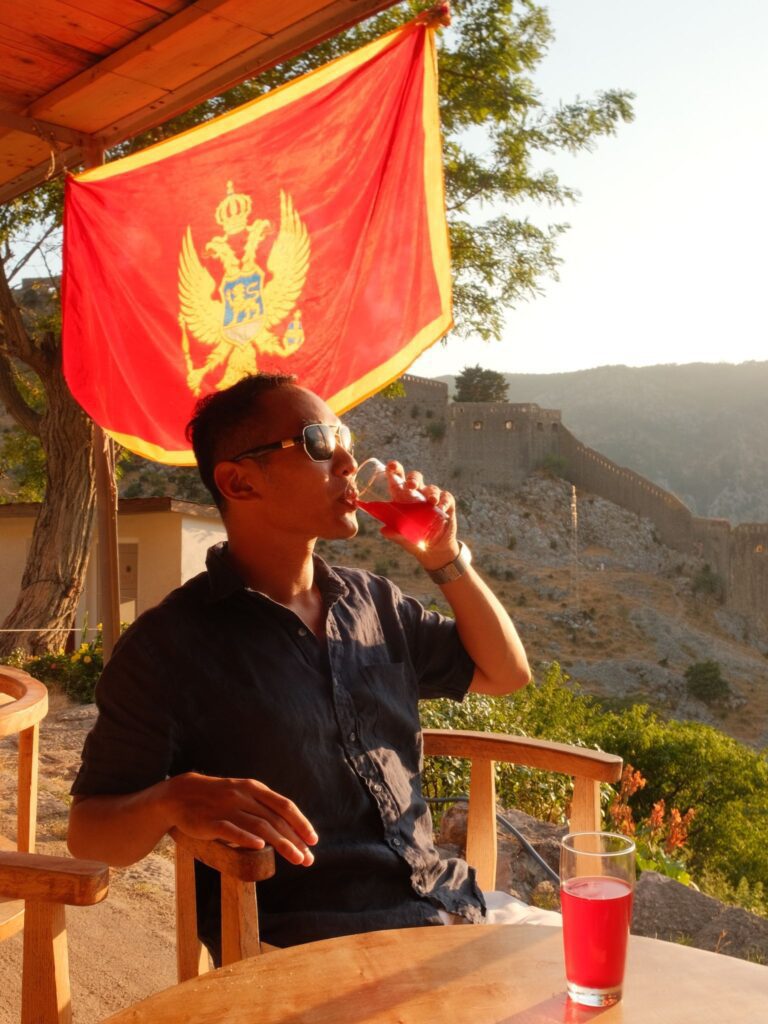
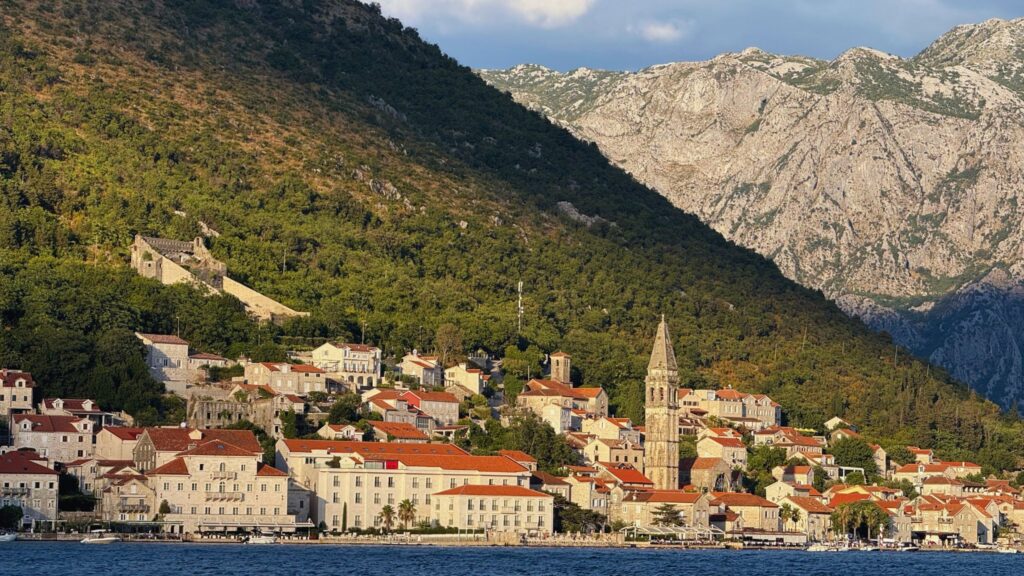
The trip begins in Montenegro with a coastal base in Kotor, one of the most scenic introductions to the Balkans. This week focuses on medieval old towns, dramatic mountain-meets-sea landscapes, and light hiking to ease into the trip. Highlights include exploring Kotor’s Old Town, hiking the fortress and riding the cable car for panoramic views over the Bay of Kotor, a day trip to Budva, and a boat tour to Perast. Montenegro sets the tone for the route: visually stunning, relatively affordable, and easy to navigate by public transport.
Week 2 – Albania
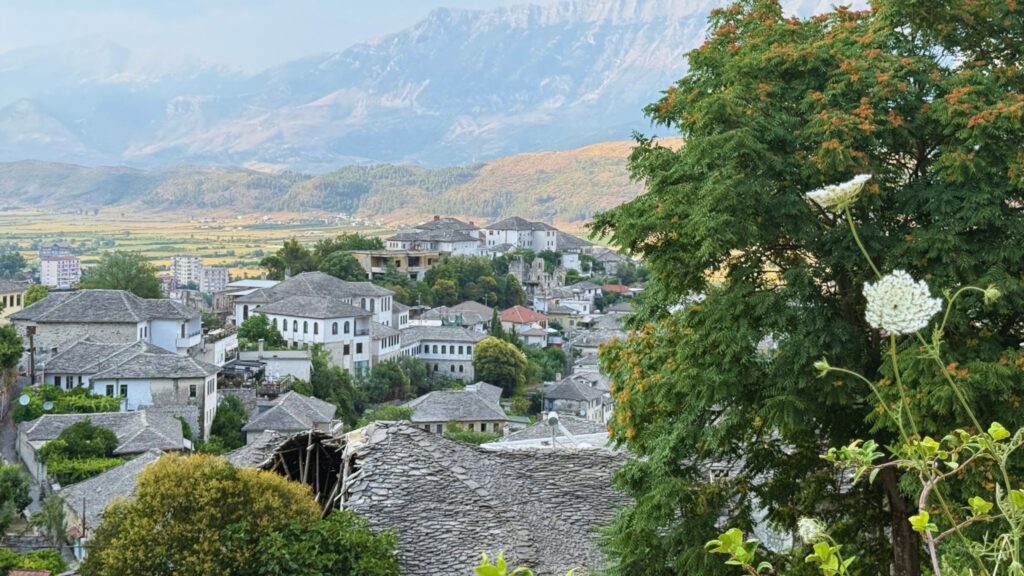
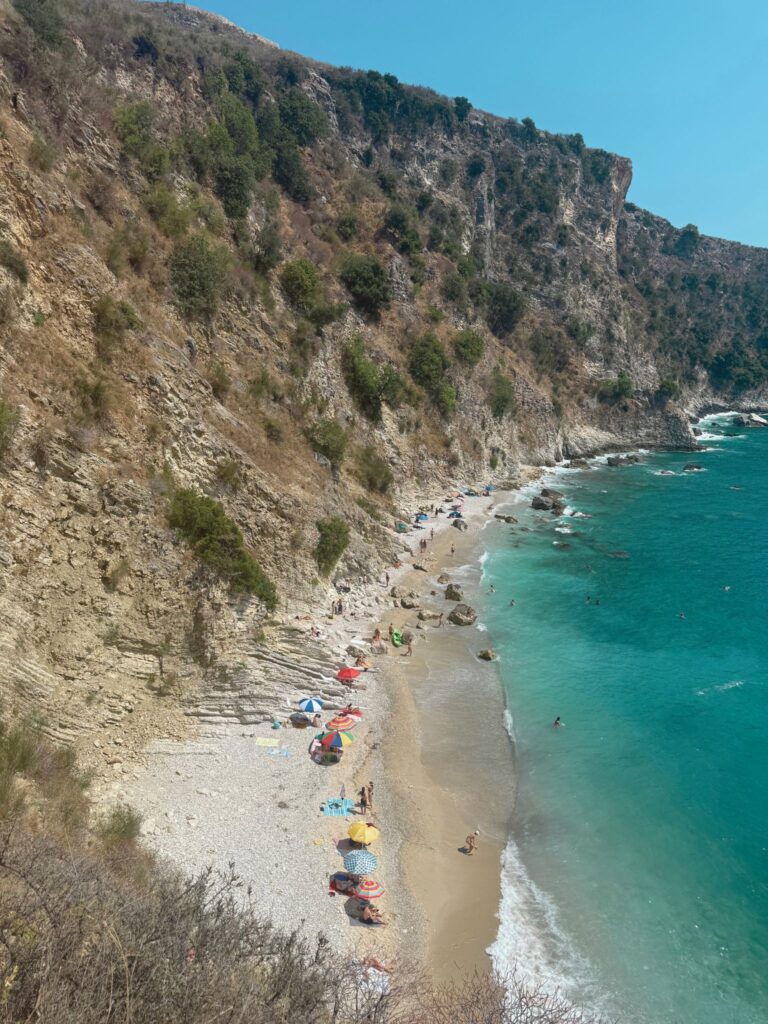
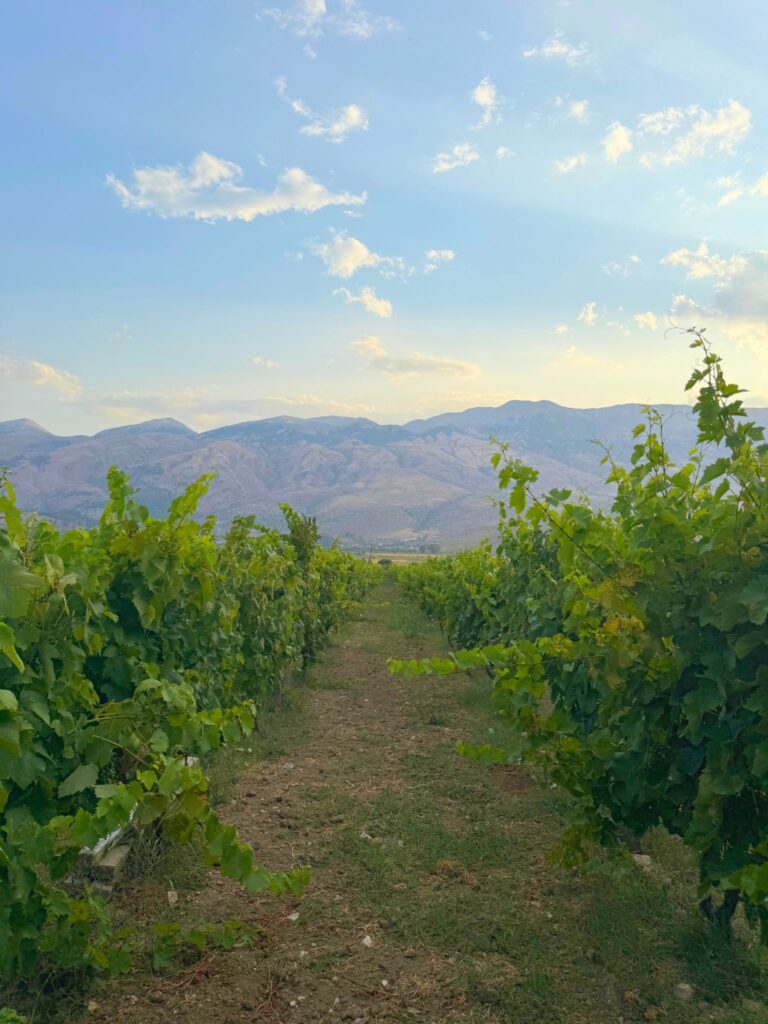
Albania is the most varied and budget-friendly leg of the itinerary. The bus network connects the country surprisingly well. The route begins in Shkodër and moves to Lake Koman before continuing south through the capital city of Tiranë and the UNESCO-listed old town of Gjirokastër. The week ends along the Albanian Riviera in Sarandë. You’ll see rugged mountains, turquoise beaches, and centuries-old towns within a single week.
Week 3 – Greece
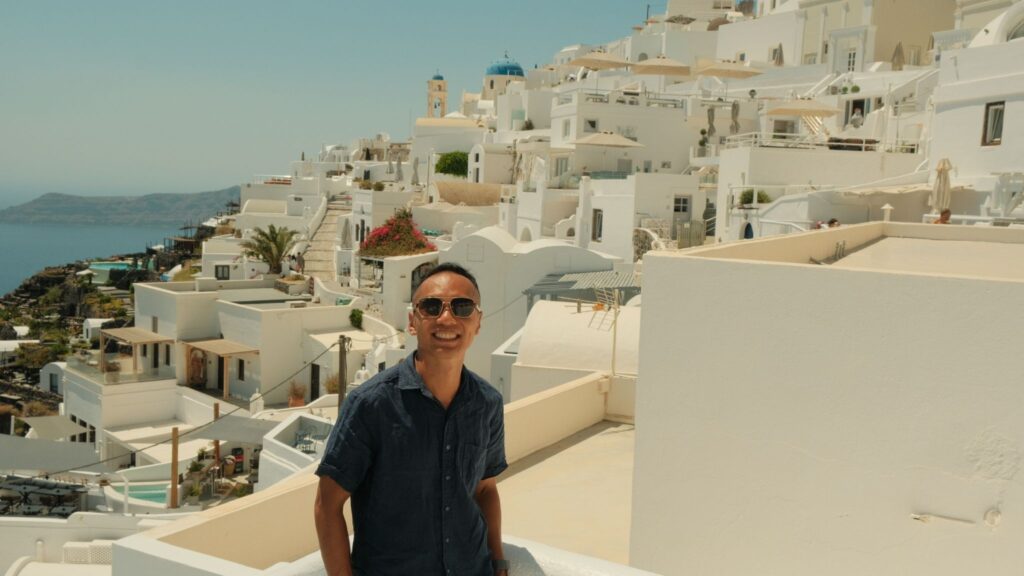
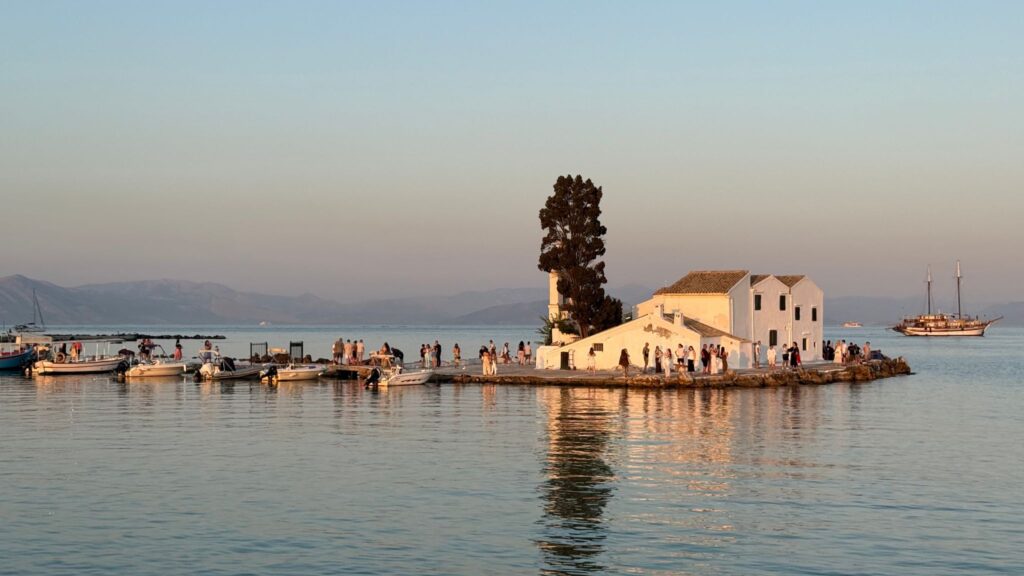
Greece starts in Corfu before moving to Athens for ancient history, then island-hopping through Paros, Santorini, and Rhodes. While Greece is the most expensive country on the route, this week prioritizes variety (no two islands feel the same) with shorter stays to keep costs reasonable.
Week 4 – Turkey
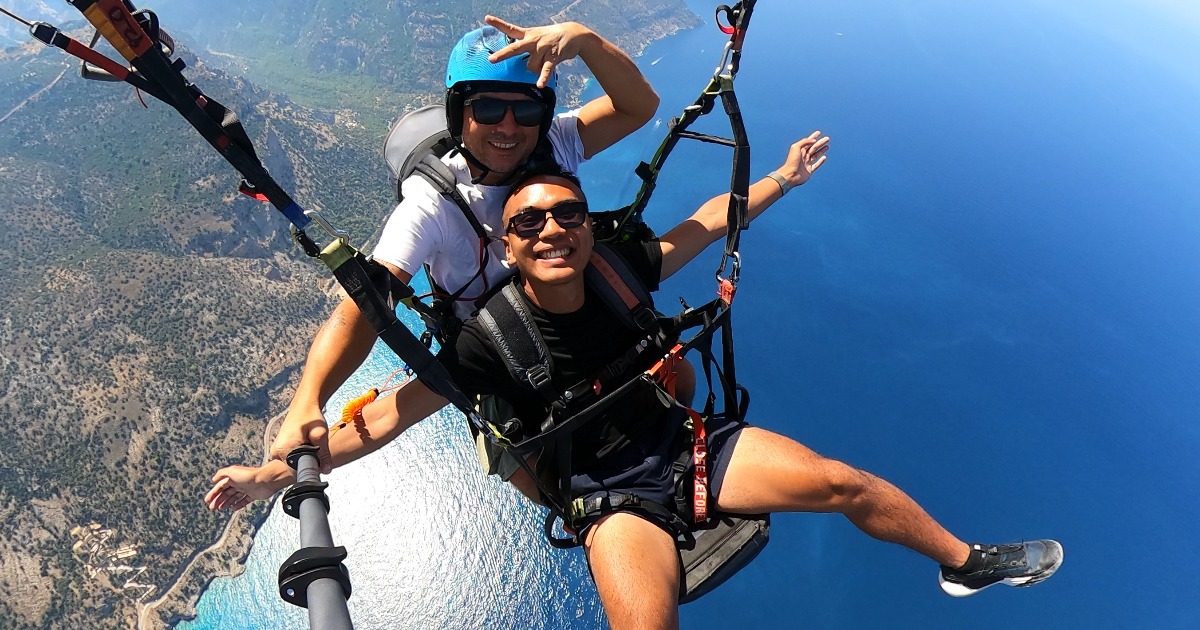
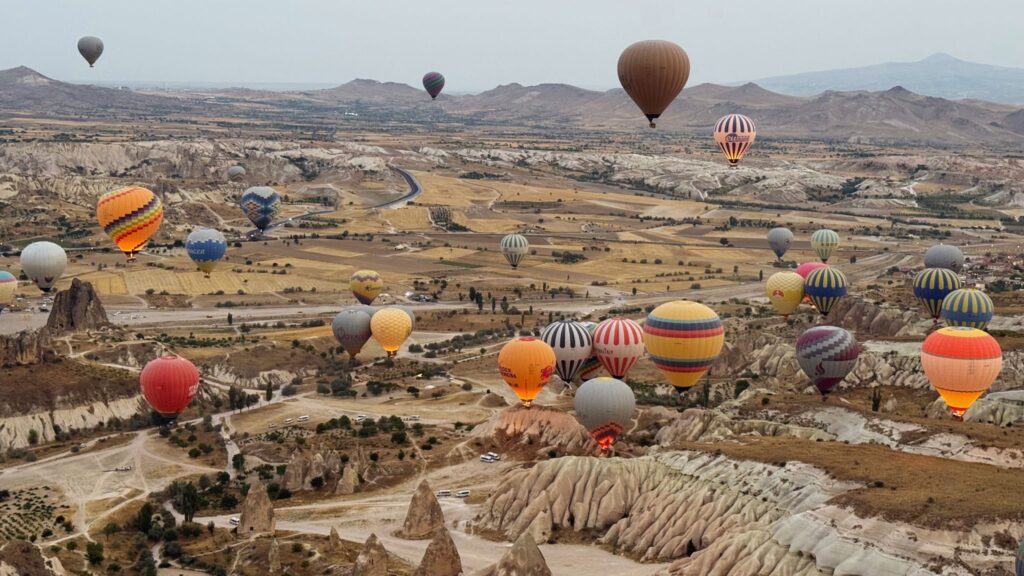
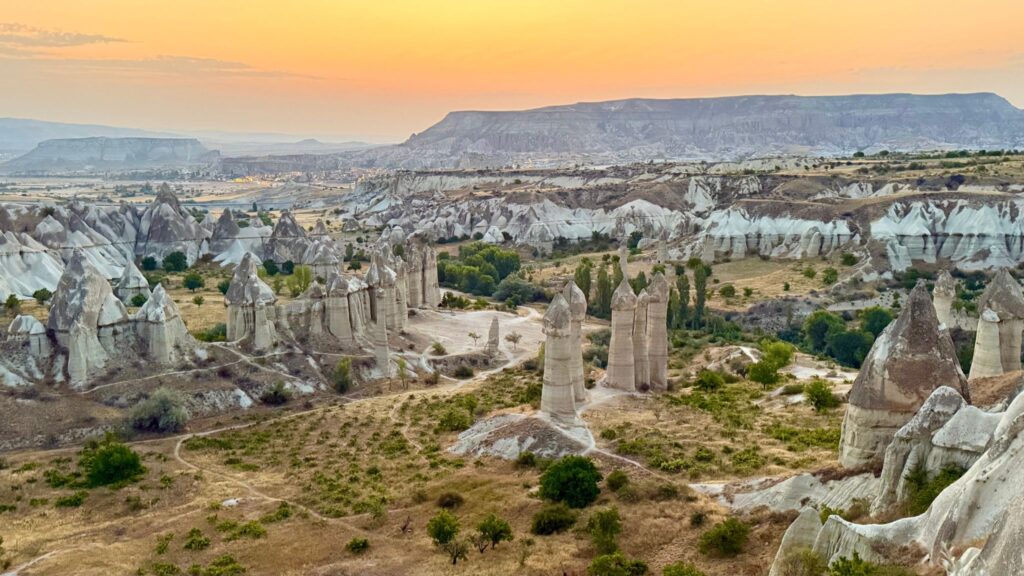
The final week shifts from island life to Turkey’s diverse landscapes and urban energy. Starting with paragliding over the Blue Lagoon in Fethiye, the route continues inland to Cappadocia for its surreal rock formations and iconic hot air balloon rides, before ending in Istanbul. This leg combines high-adrenaline activities, an iconic food scene, and a major city finale.
How Much Does This Balkans Itinerary Cost?
The total cost for my 1-month trip came out to $4,785. I did this route on a mid-range budget: private rooms, eating out for all meals, and several paid experiences. I traveled during peak season (July–August), so these are closer to an upper-range estimate. For lower prices, aim for May, early June, or September.
| Country | Total Cost (USD) | What drives up the cost |
|---|---|---|
| Montenegro | $621 | Accommodation and activities |
| Albania | $848 | Frequent buses between cities |
| Greece | $1679 | Island lodging, ferries, and meals |
| Turkey | $1637 | Hot air balloon, paragliding |
Montenegro and Albania keep costs low to moderate, while Greece and Turkey are more expensive. Be prepared to spend a good chunk of your budget on island accommodation in Greece and bucket-list experiences in Turkey.
Staying Connected
Hopping between countries in the Balkans means your roaming bill can spiral fast. An eSIM is a cost-effective way to stay connected. I used Airalo for this trip, and it cost a fraction of what roaming would have. With Airalo, you pick a regional plan that covers multiple countries, download it before you leave, and activate it when you land. No physical SIM needed.How to Get Around the Balkans, Greece, and Turkey
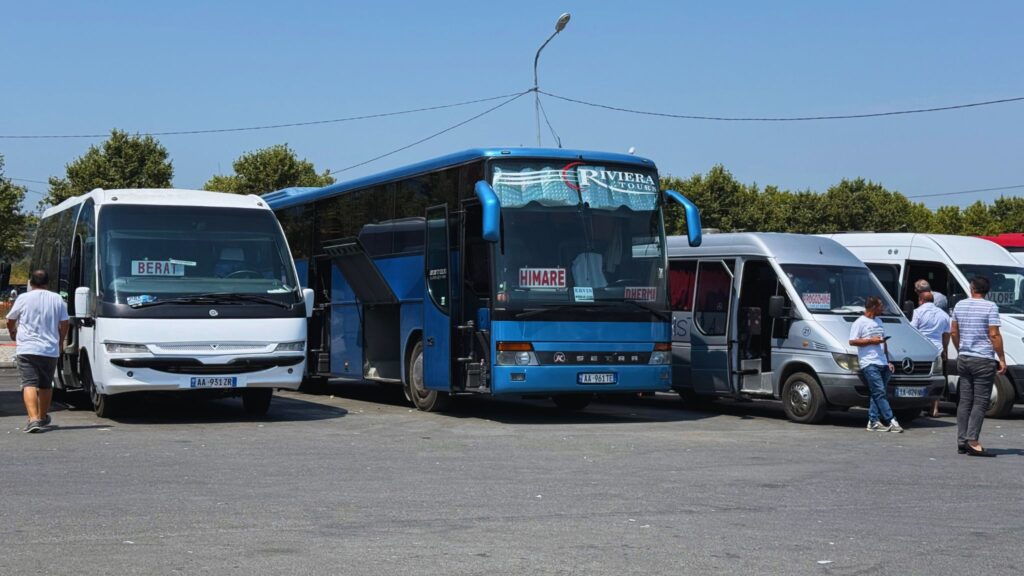
All transport between cities was done using buses, ferries, and short flights. For first-time visitors, this makes the itinerary far less stressful because there’s no need to self-drive in unfamiliar places.
The table below lists all the routes on this month-long trip, the mode of transportation, and the approximate travel time. I used Gjirafa Travel to book buses and FerryHopper to book ferries.
| Route | Mode of Transport | Travel Time |
|---|---|---|
| Podgorica → Kotor | 🚌 Bus | 3h |
| Kotor → Shkodër | 🚌 Bus | 4h 30m |
| Shkodër → Komani Lake | 🚌 Bus | 2h |
| Komani Lake → Tiranë | 🚌 Bus | 5h |
| Tiranë → Gjirokastër | 🚌 Bus | 4h |
| Gjirokastër → Sarandë | 🚌 Bus | 1h |
| Sarandë → Corfu | ⛴️ Ferry | 1h 40m |
| Corfu → Athens | ✈️ Flight | 1h |
| Athens → Paros | ⛴️ Ferry | 2h 45m |
| Paros → Santorini | ⛴️ Ferry | 1h 30m |
| Santorini → Rhodes | ✈️ Flight | 1h |
| Rhodes → Fethiye | ⛴️ Ferry | 1h 45m |
| Fethiye → Izmir | 🚌 Bus | 6h |
| Izmir → Cappadocia | ✈️ Flight | 1h 30m |
| Cappadocia → Istanbul | ✈️ Flight | 1h 30m |
Even with border crossings and island hops, all legs stay under 6 hours. That keeps transit days realistic and doable for a fast-paced itinerary, helping avoid the “travel day fatigue” that can derail multi-country routes.
Best Time of Year for a Balkans Trip
For most travelers, May, June, or September is the sweet spot for this route. You get warm weather without the punishing summer heat, lower prices on accommodation and flights, and noticeably fewer crowds in Greece and Turkey. If you can only travel in summer, July and August still work (it’s when I went), but you’ll need to plan further ahead and be okay with the crowds.
Shoulder season: May, June, and September
May is the earliest reasonable month for the full route. The Mediterranean has warmed up enough for swimming by mid-May, the Greek islands are open for business, and Cappadocia tends to get the most reliable hot air balloon weather of the year. Expect daytime highs of 70–80°F in Greece and Turkey, slightly cooler in Montenegro and Albania. Accommodation runs 20–40% cheaper than peak summer.
June is arguably the best overall month. The water is warmer than May, ferries run more frequently, and you can do everything on this Balkans itinerary in shorts and a t-shirt. Greek island accommodation starts climbing toward peak prices by mid-June, so book early if you go this month.
September is my pick if I could do this trip over. The Adriatic and Aegean are still warm, the cruise ship crowds in Kotor thin out, prices drop, and Cappadocia’s summer winds settle down (fewer balloon cancellations).
Peak summer: July and August (what I did)
Manageable but not optimal. A few things to know if you go in summer:
Inland heat is brutal. Cappadocia regularly hits the high 90s°F in August. Athens and Istanbul aren’t far behind. Kotor and the Albanian coast stay slightly cooler thanks to the sea breeze, but midday is rough across the whole route. Start your sightseeing early and take an afternoon break.
Greek islands hit peak crowds and peak prices. Santorini in particular is overrun. Restaurants with caldera views jack up prices, taxis get expensive and hard to find, and the narrow lanes of Oia gridlock by late afternoon. Book ferries, hotels, and any restaurant with a view at least 4 weeks ahead.
Hot air balloon cancellations spike. Summer wind patterns mean Cappadocia balloon flights get cancelled more often in July and August than in any other season. Always book your flight for the first morning of your stay so you have buffer days to rebook.
Ferry reliability drops. The Sarandë to Corfu ferry is hit-or-miss in summer (mine was a no-show, and I had to rebook with another operator). The Athens to Paros and Paros to Santorini routes sell out weeks in advance. Don’t book tight connections.
Cruise ships flood Kotor. Multiple cruise ships dock in Kotor’s Old Town every day in peak summer, flooding the streets between roughly 10am and 5pm. Plan your fortress hike and Old Town wandering for early morning or after the ships leave.
Off-season: October to April
I wouldn’t recommend this route in winter. Many Greek island hotels, restaurants, and ferries shut down between November and April. Hot air balloon flights in Cappadocia run year-round but cancellations spike. Albania’s bus network gets less reliable when roads are wet or snowy. And the Bay of Kotor loses a lot of its appeal when it’s grey and cold.
October is the latest I’d consider attempting this route, and only if you’re willing to skip swimming and accept that some Greek islands will be winding down.
Why Combine Montenegro, Albania, Greece & Turkey?
These four countries work well together because they combine affordability, variety, and smooth connections.
Why this route perfect for first-timers
The pacing is intentional. The first half (Montenegro/Albania) is slow and inexpensive. The second half (Greece/Turkey) ramps up: island hopping in the Cyclades, paragliding over the Blue Lagoon, hot air balloons over Cappadocia, and a big-city finish in Istanbul.
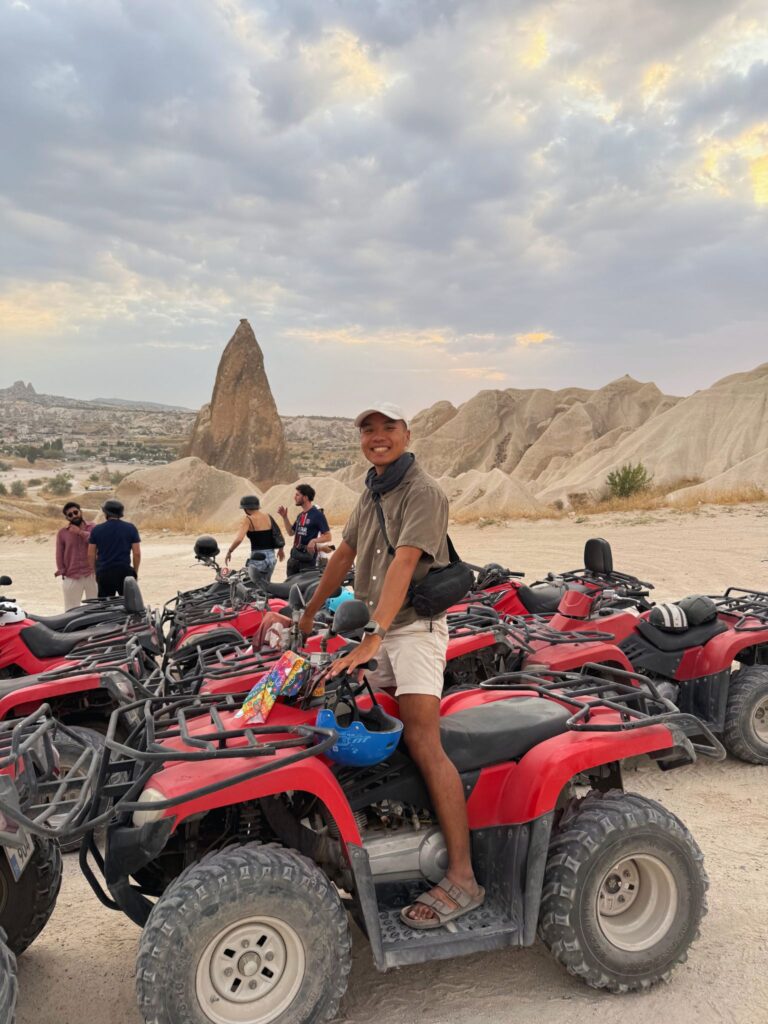
The activity mix is also balanced. Active days like hiking the Kotor Fortress, paddleboarding Lake Koman, and ATV-ing through the fairy chimneys are spaced out with slower ones like boat tours, beach days, and a Turkish hammam.
How this route stays budget-conscious
The journey begins in Montenegro and Albania, two of the more affordable destinations on the route, helping keep overall expenses manageable. That leaves room later in the trip to allocate a larger share of the budget to Greece and Turkey, where it’s worth splurging on bucket-list experiences, from seeing the iconic blue-and-white domes of Santorini to paragliding over Turkey’s turquoise coastline and drifting above Cappadocia’s fairy chimneys in a hot air balloon.
How this route avoids long travel days
This itinerary uses buses, ferries, and short flights to balance both comfort and cost. No leg is more than 6 hours. Plus there’s no backtracking, allowing you to make the most of your time.
How to Customize This Route Based on Time and Travel Style
Slowing down this itinerary to 6-8 weeks
This itinerary prioritizes breadth over depth. You only get a taste of each place before moving on, and frequent travel days can be tiring. If I had eight weeks, this is what I would do:
Add extra days in Montenegro: More days at the start would let you slow down in Kotor and explore nearby areas at a relaxed pace. You can also add inland stops like Durmitor National Park for alpine hikes and glacial lakes, giving you a glimpse of a completely different side of the country.
Hike the Albanian Alps: With more time in Albania, I’d explore the Albanian Alps via the Valbona–Theth trail, a multi-day trek with dramatic scenery and far fewer crowds than the Swiss Alps or Dolomites. It’s a perfect nature counterbalance to a route heavy on cities and beaches.
Spend more time on the Greek Islands: I visited four islands in six days, which felt rushed. More time would mean slower beach days, inland village visits, and more rest before Turkey’s activity-heavy stretch.
Explore other regions of Turkey: Beyond Istanbul, Cappadocia, and the coast, I would consider Pamukkale for its surreal travertine terraces or eastern Anatolia for a more rugged, less-touristy side of the country.
Choosing which Greek Islands to visit
For a more budget-friendly island experience, consider less touristy islands like Naxos and Milos, where accommodation and meals tend to be more reasonably priced compared to Santorini. If nightlife is a priority, take a look at Mykonos; just expect significantly higher costs especially in peak season. For history lovers, Crete offers ancient sites and diverse landscapes.
Beginning this route in Croatia
Croatia is a natural starting point if you’re coming from Western or Central Europe and want a smoother transition into the Balkans:
- Seamless geography: easy buses between Dubrovnik and Kotor
- Coastal continuity: historic towns and islands along the Adriatic
- Stronger infrastructure: developed tourist services for first-timers
- Iconic cities: Dubrovnik, Split, and coastal islands
Adjusting this route as a digital nomad or backpacker
Digital nomads: Slow the pace and base longer in Tirana, Athens, or Istanbul for better routine and fewer transit days. Airbnbs often provide better value and comfort for stays of a week or longer.
Backpackers: Use dorms, choose fewer (and cheaper) Greek islands, rely more on buses, and travel during shoulder season to bring the daily cost down.
Conclusion
This 1-month Balkans itinerary is ideal for travelers who want a high-variety route that balances nature, history, beaches, and big cities without unnecessary backtracking or a rental car.
If you’re planning this trip, the next step is diving into the individual country guides below, where I break down daily costs, transportation, and must-see stops in more detail.
- 4 Days In Montenegro (Kotor, Budva, Perast)
- Top 5 Things To Do In Kotor
- 8 Days In Albania (Shkodër, Lake Koman, Tiranë, Gjirokastër, Sarandë, Himarë)
- 9 Days In Greece (Corfu, Athens, Paros, Santorini, and Rhodes)
- 8 Days In Turkey (Fethiye, Cappadocia, Istanbul)
Frequently Asked Questions
Is it safe to travel to Montenegro, Albania, Greece, and Turkey?
Yes, these four countries are generally safe for tourists. Montenegro and Albania have low levels of violent crime and felt safe during both day and nighttime. Greece and Turkey are both well-established tourist areas, but be aware of petty crime and scams in crowded cities like Athens and Istanbul.
Do I need a visa to visit Montenegro, Albania, Greece, and Turkey?
Most travelers do not need a visa for short visits. Montenegro and Albania are visa-free for many nationalities for up to 90 days. Greece is part of the Schengen Area, which allows most non-EU travelers to stay 90 days within a 180-day period. Turkey offers visa-free entry for many nationalities or an easy online e-visa. As a US citizen, I didn’t need a visa for these four countries in 2025, but always check official government sources for the most up-to-date guidance.
What currency is used in Montenegro, Albania, Greece, and Turkey?
Montenegro and Greece both use the euro (€). Albania uses the lek (ALL), but the euro is accepted in tourist destinations. Turkey uses the lira (TRY). ATMs are widely available, and credit cards are commonly accepted in tourist areas, though cash is still useful in Albania and Montenegro.
Can I travel through the Balkans with only English?
Yes, I got around comfortably with just English, which is widely spoken in hotels, restaurants, transportation hubs, and tourist areas across the four countries. Greece and Turkey have especially high English proficiency in popular destinations.
Do I need a car to travel through the Balkans?
No, this itinerary is designed to work with public transportation, including buses, ferries, metros, and short flights. All the places mentioned are accessible without self-driving, making the route suitable for first-time visitors.
Is one month enough time to travel the Balkans?
Yes, one month is enough to see the highlights if you’re comfortable with a fast-paced itinerary of 1–3 days per destination. Travelers who prefer a slower pace can extend the route to 6–8 weeks for more rest and deeper exploration.
Is this itinerary suitable for solo travelers?
Yes, this itinerary works well for solo travelers. The destinations are generally safe, well-connected by public transport, and have a wide range of accommodation options. Solo travelers may want to budget slightly more for private rooms or travel during shoulder season to keep costs down.
What is the best time to visit the Balkans?
For most travelers, May, June, and September are the best months to visit the Balkans, with warm weather and far fewer crowds than peak summer.