Greece was the third country on my month-long Balkans & Eastern Mediterranean itinerary, and it was the hardest leg to plan. Unlike Montenegro or Albania, where the route is fairly linear, Greece has endless options for island hopping with no obvious right answer. Every travel blog recommends something different, and it’s easy to burn a week just trying to figure out where to go and in what order. This guide breaks down exactly how I put this route together, what was worth it, and what I’d do differently.
Table of Contents
Greece Itinerary At a Glance
This 9-day route covers Athens and four islands (Corfu, Paros, Santorini, and Rhodes) with ferries and short flights connecting each stop. My total trip cost $1,679 per person in peak summer ($187 per day). Best months to go: May, June, or September.
| Day | Location | Activities |
|---|---|---|
| Day 1 | Corfu | Ferry from Sarandë, Albania |
| Day 2 | Corfu | Olive oil tour, Pontikonisi Beach |
| Day 3 | Corfu Athens | Explore Old Town Corfu Fly to Athens |
| Day 4 | Athens | Explore the capital city |
| Day 5 | Paros | Ferry to Paros, Kolymbithres Beach |
| Day 6 | Paros | Boat tour, village visits |
| Day 7 | Santorini | Ferry to Santorini, Oia sunset |
| Day 8 | Santorini Rhodes | Fira to Imerovigli hike Fly to Rhodes |
| Day 9 | Rhodes Turkey | Explore Rhodes Old Town Ferry to Fethiye |
Greece Budget Overview
I spent $1,679 on this Greece leg in July (peak season), traveling with a friend and splitting accommodation and taxi costs. This turned out to be an average of $187 per day.
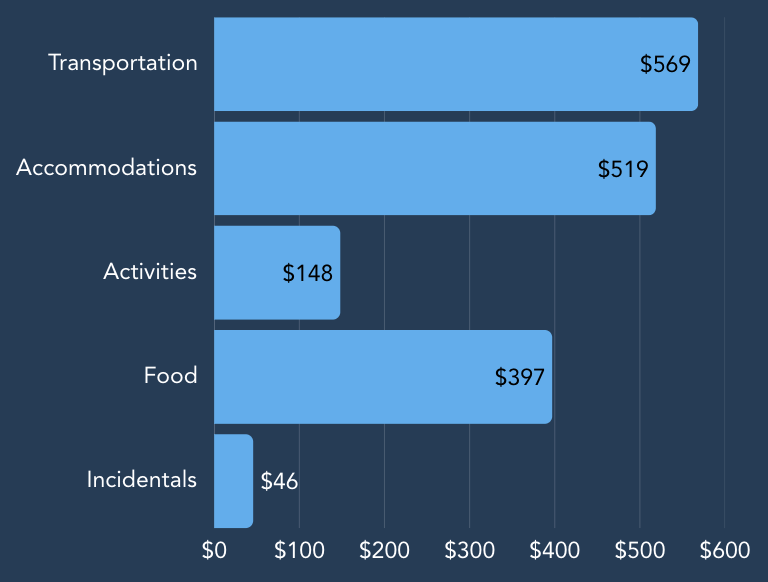
Greece was noticeably more expensive than the previous two Balkan countries (Montenegro and Albania). Accommodation and transportation costs were particularly high as this itinerary involved a lot of moving around. If you want to cut costs, consider spending more nights in fewer places.
Day-by-Day Itinerary
Day 1: Arriving in Corfu
Arriving in Corfu from Albania (what I did): Ferry from Sarandë to Corfu, which takes about 1 hour 40 minutes. Book in advance on the Ferry Hopper website. It’s the easiest way to compare operators and buy tickets online.
The ferry from Sarandë to Corfu can be unreliable. The one we booked didn’t show up for hours, and we had to rebook with a different company. Make sure to read recent reviews of the ferry operator that you’re booking with (this would have saved us a lot of headache).
Arriving in Corfu from Athens: If you’re starting your Greece leg in Athens, fly directly into Corfu (about 1 hour).
Day 1 is a settle-in day. Once you’re checked in, head to a nearby beach bar for drinks and views. Corfu is green and lush in a way that most Greek islands aren’t. It feels more like the Adriatic than the Aegean, which makes sense given its position at the top of the Ionian Sea.

Day 2: Olive Oil Tour, Plane Spotting, and Paratriking
Corfu produces some of the best olive oil in Greece, and an olive oil tour is an interesting way to spend a morning. Visit a small family-run producer and get a walkthrough of the process, from hand-picking (now largely replaced by machines) to pressing to bottling. The olive oil tasting was the highlight for me. We drank it straight (which I wasn’t expecting), and it has a distinct peppery bite. We did our tour through The Governor’s Olive Mill.
In the afternoon, head to Pontikonisi Beach to grab drinks and watch planes pass by overhead. It’s amazing just how close the planes get to you. This beach has become one of Corfu’s most photographed spots and lives up to the hype.
If you’re looking for an adrenaline hit, paratriking is one of Corfu’s most unique experiences. You’re strapped into a motorized three-wheeled trike attached to a paraglider, and the pilot handles everything. From the air, you get an impressive bird’s-eye view of Corfu’s famously lush green interior meeting the turquoise coastline. I sadly skipped out on this experience, but my friend had a blast and highly recommends it. Check out this Instagram reel where she shares her experience. She booked hers through the following GetYourGuide tour.
Day 3: Corfu Old Town and Flying to Athens
Spend the morning exploring Corfu Old Town. Unlike the whitewashed blue-domed villages most people picture when they think of Greece, Corfu Old Town has a distinctly Venetian character (think narrow car-free lanes, pastel townhouses, and stone archways). It’s a UNESCO World Heritage Site, and the two standout stops are the Old Fortress and the Liston, an arcaded promenade lined with cafés that’s perfect for a slow coffee.
Then make your way to the airport and take a short flight to Athens. For dinner, Nolan is a solid choice for a first night, serving up modern Greek with Asian influences. This was perfect for us since we were craving Asian food at the time. The crab and duck dishes were standouts. Follow it up with gelato from Le Greche: the mascarpone and fig combination was one of the best desserts I’ve ever had.
Day 4: Athens Exploration
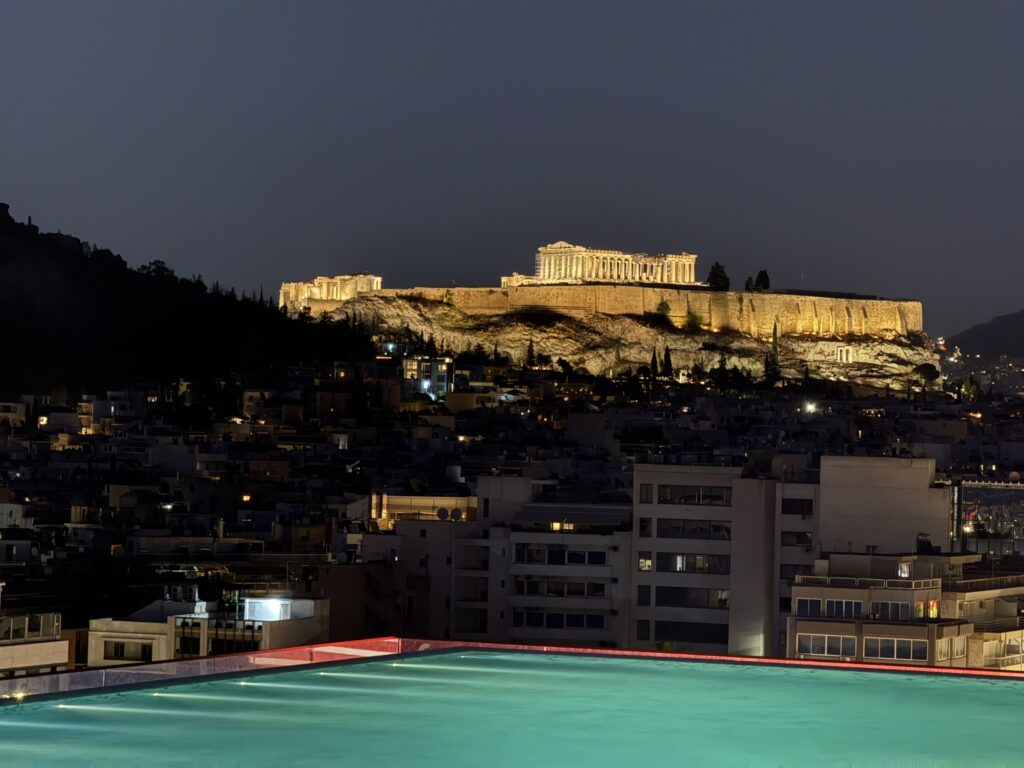
Today is a choose-your-own-adventure sort of day, one built for wandering, eating well, and moving at whatever pace feels right. We decided to take it slow this morning, especially after hopping around so much the past few days. We made the most out of our stay at the Grand Hyatt Athens, enjoying the Acropolis view from the balcony. There’s something surreal about seeing a 2,500-year-old citadel just sitting there on the horizon during your morning swim.
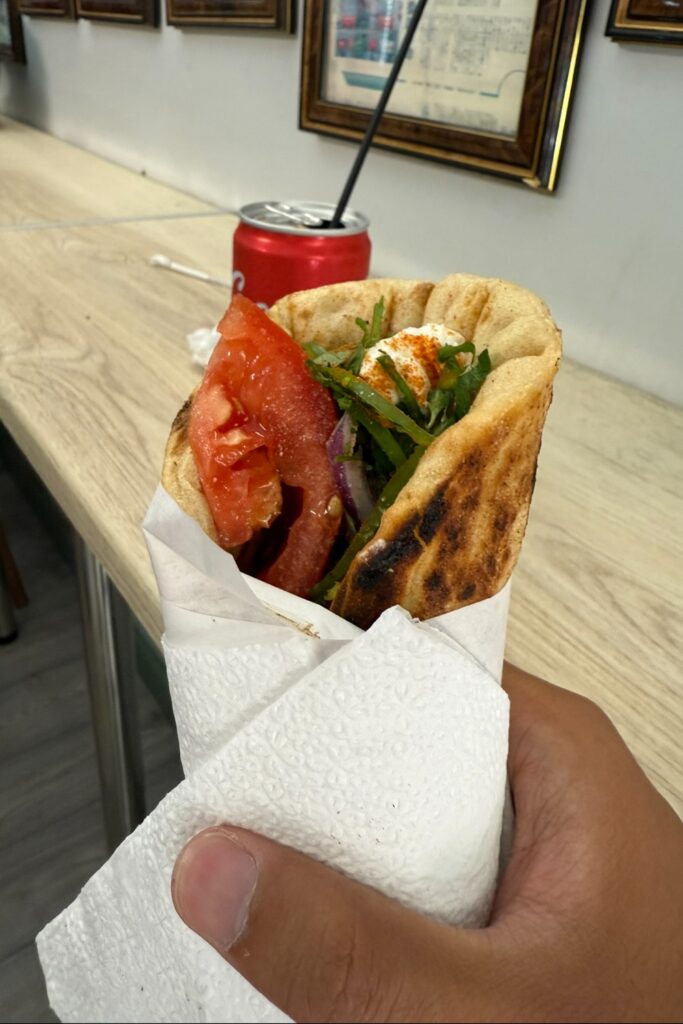
For lunch, head to Souvlaki Kostas near Monastiraki. It’s one of the most well-known souvlaki spots in the city for good reason: fresh ingredients, great pita texture, long lines that move fast. Go before 3:45pm; they sell out and close early. We luckily got one of the last few souvlakis.
After lunch, spend the afternoon wandering through Plaka, the historic neighborhood at the base of the Acropolis. The narrow car-free lanes are lined with neoclassical houses, tavernas that spill onto the cobblestones, and souvenir shops you’ll either love or roll your eyes at. The fun is in the wandering. Don’t try to follow a strict route.
The highlight of Plaka for me was Anafiotika, a tiny Cycladic-style pocket tucked into the upper edge of the neighborhood. Whitewashed houses with blue shutters, bougainvillea spilling over the walls, and zero cars. It feels like a small Greek island dropped into the middle of Athens. The story is that 19th-century stonemasons from the island of Anafi built it to feel like home when they came to Athens to construct the royal palace. Easy to miss if you don’t know it’s there, so look up directions before you go.
Athens has a strong coffee scene. Taf Coffee in the city center is one of the best, a good spot to recharge between sightseeing. Try a freddo cappuccino, the Greek iced coffee drink that you’ll see everywhere on this trip. It’s frothy, cold, and deeply satisfying. Someone needs to bring these to the States.
End the day with loukoumades (Greek fried doughnuts) from Loukoumadaki. Small, hot, and drizzled with honey: the perfect low-key dessert to cap off an Athens evening.
Should You Visit the Acropolis?
If you’re interested in history, the Acropolis is a must. It’s one of the most recognizable landmarks in the world, built during the Golden Age of Athens in the 5th century BC. Book tickets in advance (they sell out in summer), go early in the morning before the heat and crowds peak, and give yourself at least two hours to explore properly.
I’ll be honest; I’m not a history buff, and I was perfectly content admiring it from a distance at our hotel. The Acropolis is hard to miss in Athens; it watches over the whole city from its hilltop perch, and sometimes that view from below is enough.
Day 5: Ferrying to Paros and Kolymbithres Beach
Take the early ferry from Athens to Paros. The crossing takes about 2 hours 45 minutes on a high-speed ferry. Book in advance on Ferry Hopper; this route fills up fast in July and August.
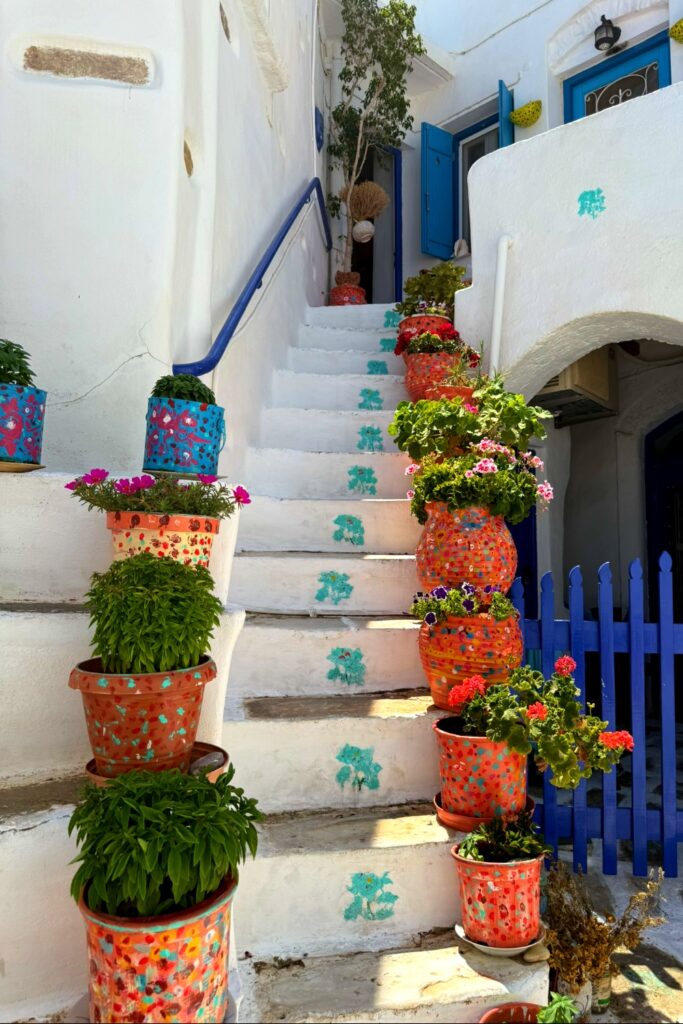
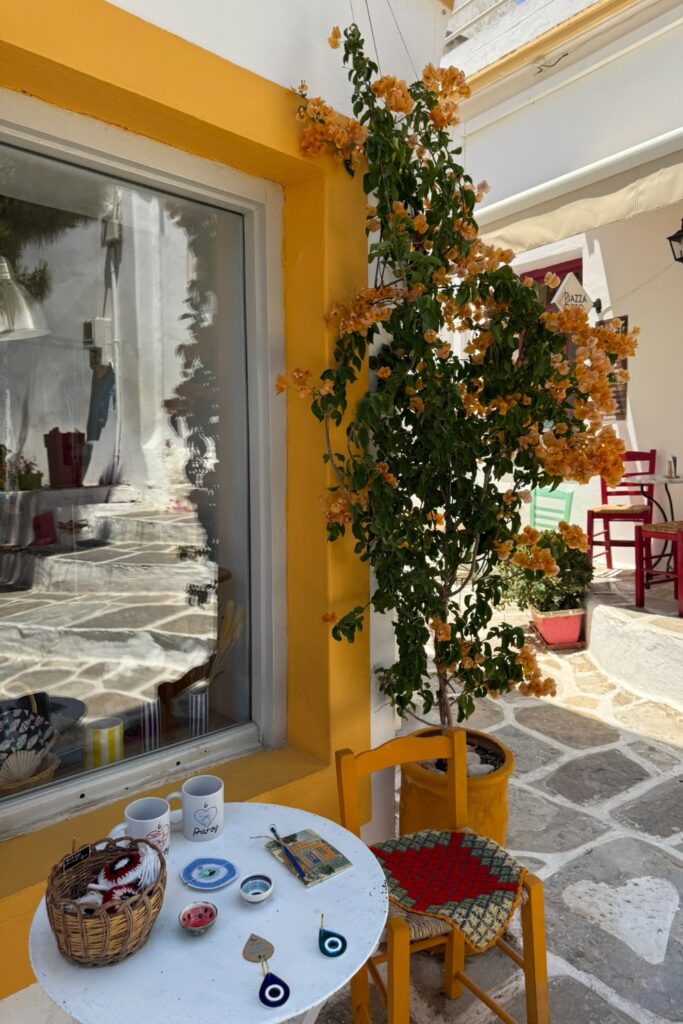
We based ourselves in Naoussa, a trendy area with whitewashed lanes, great restaurant options, and a pretty harbor. Check in, grab lunch, and spend the afternoon relaxing at Kolymbithres Beach.
For dinner, we enjoyed traditional Greek mezze at Open Garden Restaurant. Try the cod roe (taramosalata) and ask what the fresh catch of the day is. For an interesting side dish, try horta, wild greens dressed with olive oil and lemon.
Day 6: Paros Exploration
Start the morning with a trip to Lefkes, a hillside village in the interior of the island that most visitors skip. The village stands out for its whitewashed buildings, narrow marble paths, and a slower pace that contrasts sharply with the busier coastal towns.
In the afternoon, take a boat tour to visit hidden coves, sea caves, and beaches. Most tours include snorkeling stops, swimming, and a fresh homemade lunch served on board. This was significantly more fun than I expected. It was my first time snorkeling, and there’s something genuinely thrilling about being in open water with fish darting underneath you. We went with Rofos Boat Tour and highly recommend.
Day 7: Ferrying to Santorini and Oia Sunset
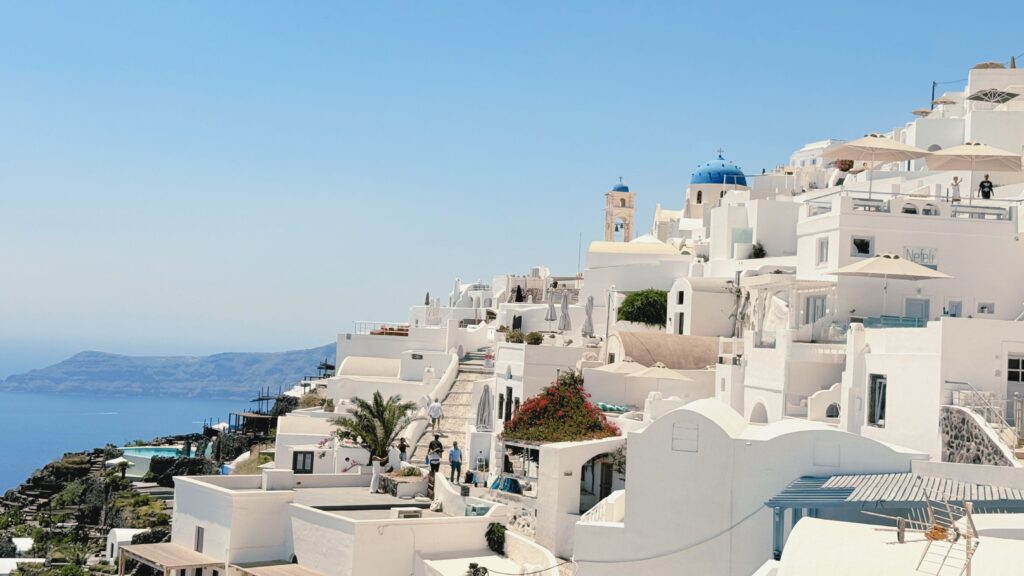
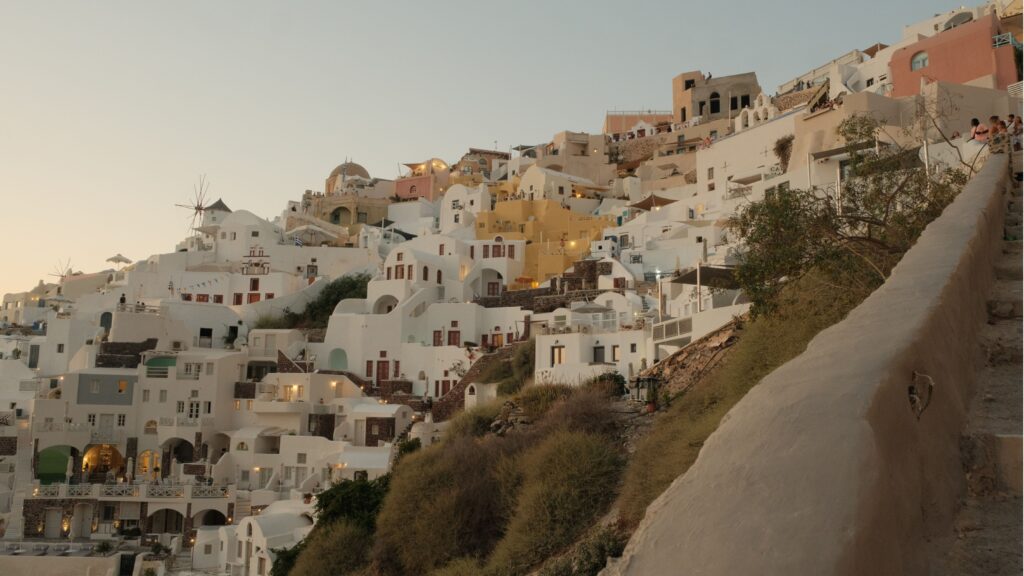
Take the ferry from Paros to Santorini (about 1.5 hours). Then head to Oia and wander through its winding lanes, admiring the classic blue-domed churches that have made Santorini one of the most photographed places on earth.
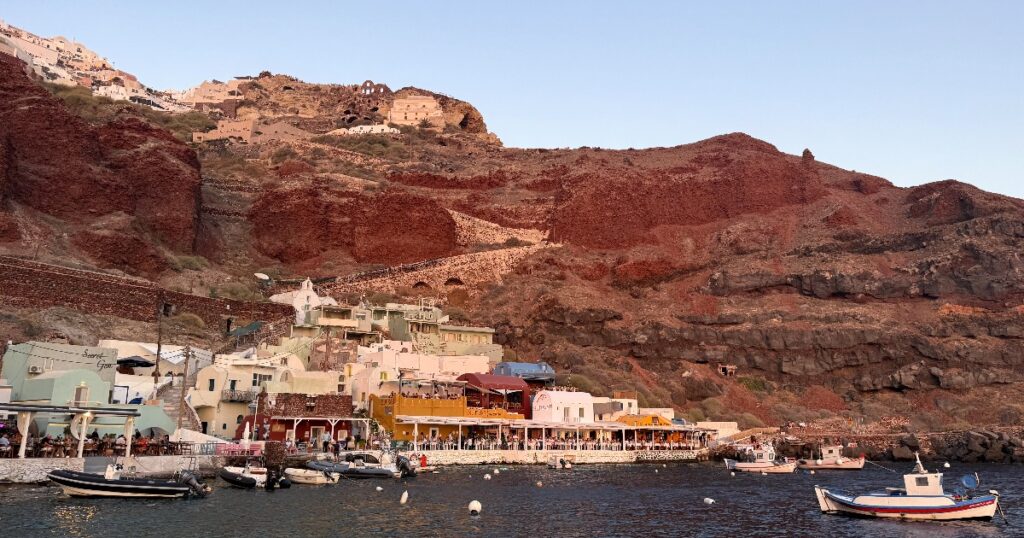
For a memorable dining experience, book a reservation at Armeni. The restaurant sits at water level inside the caldera, accessible only by walking down a long flight of steps from the village and boarding a small boat. But trust me, the setting more than makes up for the logistics! You’re eating freshly caught seafood right on the water with the cliffs rising above you.
Day 8: Fira-Imerovigli Hike and Flying to Rhodes
In the morning, make your way to Fira to begin the hike to Imerovigli. This three-kilometer path along the caldera rim is known for its sweeping views of the volcanic landscape and the blue domes below.
Then fly from Santorini to Rhodes, an island that has a completely different feel than the previous islands on this itinerary. Rhodes has more history, more culture, and less of the polished Cycladic aesthetic.
Day 9: Rhodes Old Town and Departure
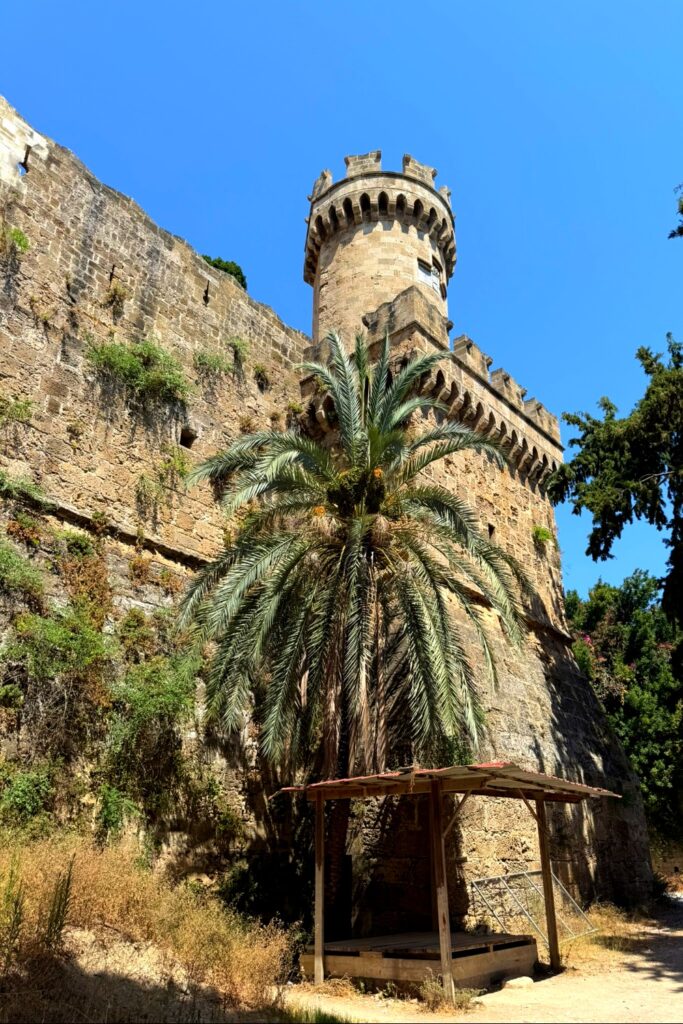
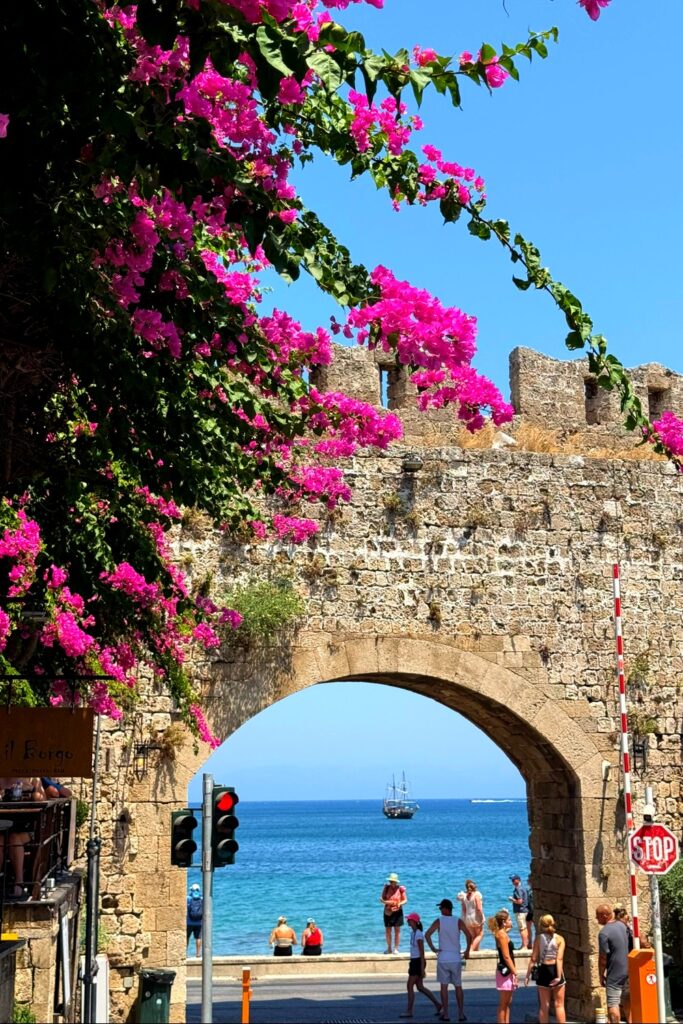
Spend the day exploring Rhodes Old Town, a massive medieval walled city, one of the best-preserved in the world. It reminds me of Kotor, but bigger, busier, and with more souvenir shops crowding the lanes.
Rhodes is the last stop on this Greece itinerary. If you’re following my month-long Balkans & Eastern Mediterranean route, take the ferry from Rhodes to Fethiye (Turkey). If Greece is a standalone trip, Rhodes has direct flights to Athens and several European hubs, making it a convenient final stop.
Why This Island Combination Works for First-Time Visitors
Greece has over 200 inhabited islands, which makes planning a first trip genuinely overwhelming. The Corfu–Athens–Paros–Santorini–Rhodes route works because each stop pulls its weight differently, and together they give you a complete picture of what Greece is like. It also helps that the route is logistically clean; every transition has a straightforward connection, which matters more than most travel guides admit.
Athens gives you a taste of the mainland. Skipping Athens entirely is a common mistake first-timers make. Two days here grounds the trip in Greek history and culture, and practically speaking, Athens (Piraeus) is the main ferry hub for the Cyclades. You’re passing through anyway, so you might as well make it count.
Corfu eases you in. It’s greener and more relaxed than the Cycladic islands, with an Adriatic character that feels distinct from the rest of Greece. It was also the natural entry point for my itinerary: there’s a direct ferry from Sarandë, Albania that takes under two hours, making it the most seamless way to cross into Greece if you’re coming from the Balkans. Even if you’re not coming from Albania, Corfu is a low-pressure introduction to Greek island life before things get busier further south.
Paros is the hidden gem of the Cyclades. It’s more varied than most islands its size, with trendy Naoussa, quiet interior villages like Lefkes, and sleepy coastal spots like Aliki all within easy reach.
Santorini needs no introduction. The iconic caldera views and blue domes are real and genuinely beautiful. The Oia sunset and the caldera views were some of the most breathtaking this trip.
Rhodes offers a completely different vibe. Where the Cyclades are about aesthetics and atmosphere, Rhodes is about history, a medieval walled city that ranks among the best-preserved in Europe. It was also the practical choice for a final stop. There’s a direct ferry from Rhodes to Fethiye, Turkey, which made it a natural exit point for the next leg of my trip. If Greece is a standalone trip, Rhodes is a convenient last stop since it has direct flights to many European hubs.
To sum up, each island adds something the others don’t, and the route flows in a way that never feels forced.
How To Choose Which Greek Islands to Visit
If you’re not following my exact route, here’s the framework I used that you can apply to build your own island-hopping itinerary.
Start with your entry and exit points. This is the most overlooked part of island planning. Before picking islands based on aesthetics, figure out where you’re coming from and where you’re going next. I chose Corfu because of the Sarandë ferry and Rhodes because of the Fethiye connection. Working backwards from logistics will immediately narrow your options and save you from booking a beautiful itinerary that’s a logistical nightmare to execute.
Group islands by proximity. The Greek ferry network is extensive, but not every island connects directly to every other. The main clusters are:
- Cyclades (Paros, Santorini, Mykonos, Naxos, Milos)
- Dodecanese (Rhodes, Kos, Samos)
- Ionian (Corfu, Kefalonia, Zakynthos)
Staying within one cluster makes for a smoother trip, though mixing clusters is doable if you’re flexible with your schedule. For example, our flight from Santorini to Rhodes only flew on Fridays.
Match islands to what you actually want. Be honest about your travel style and your budget before you commit:
- If you want beaches and swimming, look at Milos, Naxos, or Kefalonia.
- If you want nightlife and energy, Mykonos and Santorini are the obvious choices. Just know they come with a steep price tag.
- If you want history and culture, Rhodes and Crete offer more depth than the Cyclades.
- If you want scenery without the crowds, choose Paros, Folegandros, or Sifnos over Santorini.
- If you want a mix of everything, Paros remains the best all-rounder for first-timers.
Be realistic about time. A common mistake is trying to squeeze too many islands into too few days. Moving between islands takes half a day minimum once you factor in packing, getting to the port, the crossing, and getting to your accommodation.
I admit, we were guilty of this. We moved too quickly between Paros-Santorini-Rhodes, which didn’t give us the chance to relax and fully enjoy what each island had to offer. If I were to revisit Greece in the future, I would budget at least two to three nights per island.
Is Santorini Worth it?
It depends. Long story short, Santorini is worth visiting only if you go in with the right expectations. If you’re expecting the quiet, romantic escape, you’ll leave feeling disappointed. If you go knowing it’ll be busy and expensive but absolutely beautiful, you’ll leave satisfied.
Why Santorini is worth it: Santorini is one of the most visited islands in the world for a reason. The caldera views are breathtaking in a way that photos don’t capture. Watching the sun drop behind the volcanic cliffs from Oia, with the whitewashed buildings glowing in the last light, is one of those rare travel moments that lives up to the hype. The Fira to Imerovigli hike along the caldera rim is stunning.
Why Santorini is not worth it: Santorini in peak summer is extremely crowded and expensive. The narrow lanes of Oia are packed by late afternoon. Restaurants with caldera views charge a significant premium for the privilege, so you’re paying for the setting as much as the food. Taxis are pricey, buses are standing room only, and the overall pace of the island can feel more like navigating a theme park than a relaxing Greek getaway.
Where to Stay in Greece
The total amount I spent on accommodation was $518.81. Here’s a breakdown by stop. For all stays, I split the cost with a friend. PP/PN = Per Person, Per Night.
| Stay | Total | Nights | Pax | PP/PN |
|---|---|---|---|---|
| Corfu AirBnB | $277.50 | 2 | 2 | $69.38 |
| Athens Hotel | Points* | 2 | 2 | $8.76 |
| Paros AirBnB | $314.06 | 2 | 2 | $78.52 |
| Santorini Hotel | $271.16 | 1 | 2 | $135.58 |
| Rhodes Hotel | $139.88 | 1 | 2 | $69.94 |
*For our Athens stay, we used 24,000 points and paid $35.02 in taxes and fees.
Corfu: Stay near Perama or Kanoni for easy beach access, or in Corfu Town if you want walkability to restaurants and Old Town. I stayed in the Ionian Luxury AirBnB, which offered a comfortable, good location near the water.
Athens: Stay in or near Monastiraki or Syntagma for the most central access to sights, food, and transport. Athens has excellent hotels at a wide range of price points. I stayed at the Grand Hyatt Athens: genuinely one of the nicest hotels of the trip. Pool, gym, excellent service. Worth it if you have points or a good rate.
Paros: Base yourself in Parikia for central access to get to and from all other towns. Choose Naoussa for more charm. I stayed at the NaouSea Suite AirBnB. The location was good, about a 10-minute walk to many boutique shops and restaurants. The host was really kind and even gifted us a bottle of Moscato on arrival.
Santorini: The classic choice is Oia for the famous views and sunset, but it’s the most expensive and crowded area. Fira is more central and lively. Imerovigli sits between the two and offers caldera views at slightly lower prices.
I chose to stay further away in Mesaria to take advantage of my Amex Platinum hotel credit. This area has a more residential feel, completely different from Oia or Fira. I decided to splurge at NOUS Santorini which had a minimalist design and a private pool suite. Highly recommend if you don’t mind staying farther from where the main attractions are.
Rhodes: Staying inside or just outside the Old Town walls puts you in the best position for exploring on foot. I stayed at the Rhodos Horizon City and would recommend.
How to Get Around Greece
Getting around Greece on this itinerary involves a combination of ferries and flights. The ferry network is extensive and affordable, but requires advance planning especially during the summer.
| Route | Transport | Travel Time | What I Paid |
|---|---|---|---|
| Sarandë (Albania) → Corfu | ⛴️ Ferry | 1h 40m | $17 |
| Corfu → Athens | ✈️ Flight | 1h | $99 |
| Athens → Paros | ⛴️ Ferry | 2h 45m | $80 |
| Paros → Santorini | ⛴️ Ferry | 1h 30m | $54 |
| Santorini → Rhodes | ✈️ Flight | 1h | $77 |
| Rhodes → Fethiye (Turkey) | ⛴️ Ferry | 1h 45m | $43 |
How to book ferries in Greece
Ferry Hopper is the easiest way to search, compare, and book Greek ferry routes in one place. Book as early as possible for July and August travel. High-speed ferries between popular islands sell out weeks in advance.
How to get around the Greek islands
- Buses are a cheap option to navigate the islands (1-2 euros each ride). They typically operate from a central hub rather than running point-to-point across the island. For example, on Santorini, all routes run through Fira, so wherever you’re headed, you’ll likely pass through or transfer there. On Paros, Parikia serves the same function. If you’re ever unsure how to get somewhere on either island, make your way to the central hub first and go from there.
- Bus schedules frequently change, so contact your accommodation for the most up to date schedule. You can also check on the island’s respective K.T.E.L. website. For example, here is the one for Paros.
- On some of the islands, taxis can be surprisingly hard to find. For example, we had planned to take a taxi from Naoussa to Aliki for our boat tour. After walking around for 20 minutes, we could not find a single taxi driver and ended up having to reschedule the tour later in the day.
Is it worth it to rent a car on the Greek islands?
This specific itinerary is doable without a car, but renting one would make things significantly more convenient. As mentioned above, most bus routes connect through a central hub, meaning a simple trip across the island often requires backtracking through town first. A car bypasses all of that.
If you’re staying on one island for several days and want to explore at your own pace (hitting remote beaches, finding off-the-beaten-path villages), a car unlocks a lot. We rented one for a day in Corfu, and that made visiting the southern part of the island a lot easier.
The tradeoffs are that you’ll have to navigate narrow island roads, find parking in crowded town centers, and coordinate car returns around ferry schedules.
One thing to be careful about: always inspect the rental car thoroughly before driving off and document any existing damage with photos. We had a stressful situation where the rental company messaged us after returning the car claiming damage (even though he had said that it was ‘perfect’ upon return) that we weren’t confident was ours. It’s a common enough issue in tourist-heavy areas that it’s worth treating as a standard precaution.
Best Time to Visit Greece
For most travelers, May, June, or September is the sweet spot for Greek island hopping. You get warm Aegean and Ionian water, lower prices, and far fewer crowds in Santorini, Athens, and the popular Cycladic islands. If you can only travel in summer, July and August still work (it’s when I went), but you’ll need to book ferries and accommodation weeks in advance and accept some real heat.
Shoulder season: May, June, and September
May is when most Greek islands officially open for the season. Hotels, restaurants, and ferries that shut down for winter are running again, but crowds are minimal and prices are 30-40% below peak. Daytime highs are 70-75°F in Athens and the islands. The sea is still cool (early May swims aren’t for everyone) but swimming gets comfortable by mid-to-late May. Wildflowers across the Cyclades hit their peak.
June is arguably the best balance of weather and crowds. Warm enough for swimming everywhere, ferries running on their full summer schedule, and prices haven’t fully spiked yet. Late June starts to feel like peak season in Santorini and Mykonos as European vacation schedules kick in, but the rest of the country stays manageable.
September is my pick if I could do this trip over. The water is at its warmest after a full summer of heat, the crowds drop sharply after the first week, and prices come down. Restaurants in Oia stop booking out three weeks ahead. The Acropolis is bearable to climb again. Ferry schedules stay strong through mid-September before starting to taper.
Peak summer: July and August (what I did)
Manageable but not optimal. If you can’t go in shoulder season, try the first half of July before European school vacations peak in August. Whatever month you pick, book Santorini accommodation and any Oia caldera-view restaurants the moment you have your dates locked.
Athens heat is rough. Athens regularly hits 95-100°F in July and August, and the Acropolis offers almost no shade. Plan your visit for early morning or after 6pm. The islands get a sea breeze that helps, but inland villages like Lefkes on Paros still get hot at midday.
Santorini and Mykonos hit peak crowd density. The narrow lanes of Oia gridlock by late afternoon. Restaurants with caldera views require reservations 2-3 weeks ahead and charge a serious premium. Buses are standing room only. Taxis get expensive and hard to find. If you’re set on Santorini in peak summer, hit the busy spots in the morning before cruise ships dock.
Ferries sell out weeks ahead. The Athens (Piraeus) to Paros to Santorini high-speed routes can sell out 2-4 weeks in advance for popular Friday and Sunday departures. Book on Ferry Hopper as soon as you know your dates. Don’t plan tight connections. Even reliable ferry operators run late in summer.
Meltemi winds can disrupt Cycladic ferries. The meltemi is a strong, dry summer wind that picks up in late July and August. It cools things down but occasionally cancels high-speed ferries between Paros, Santorini, and Mykonos. Build a buffer day before any flight out.
Athens empties out in August. Greeks take their own vacations in August, so many small tavernas and family-run shops in Athens close for the month. Tourist spots stay open, but the neighborhoods feel quieter than usual.
Off-season: November to April
I wouldn’t recommend this specific itinerary in winter. Many hotels, restaurants, and ferry routes on the Cyclades (Paros, Santorini, Mykonos) shut down between November and April. Some of Santorini’s most famous restaurants close entirely. High-speed ferries between Athens and the islands run on a reduced winter schedule and can get cancelled in rough weather.
A note on Greek Orthodox Easter: Different week from Western Easter (usually April or early May). It’s Greece’s biggest holiday and worth experiencing if you can plan around it, but accommodation books out months ahead and many small businesses close for the week.
What to Eat in Greece
Dishes to try:
- Souvlaki: Grilled meat skewers, served on a plate or stuffed into pita. The chicken souvlaki at Souvlakia Kargas in Paros was the best version of the trip: juicy, well-seasoned, fresh pita.
- Moussaka: The Greek comfort food classic consisting of eggplant, spiced minced meat, and creamy béchamel. A must-order in Rhodes.
- Loukoumades: Greek fried doughnuts drizzled with honey. Get them fresh and hot from Loukoumadaki in Athens.
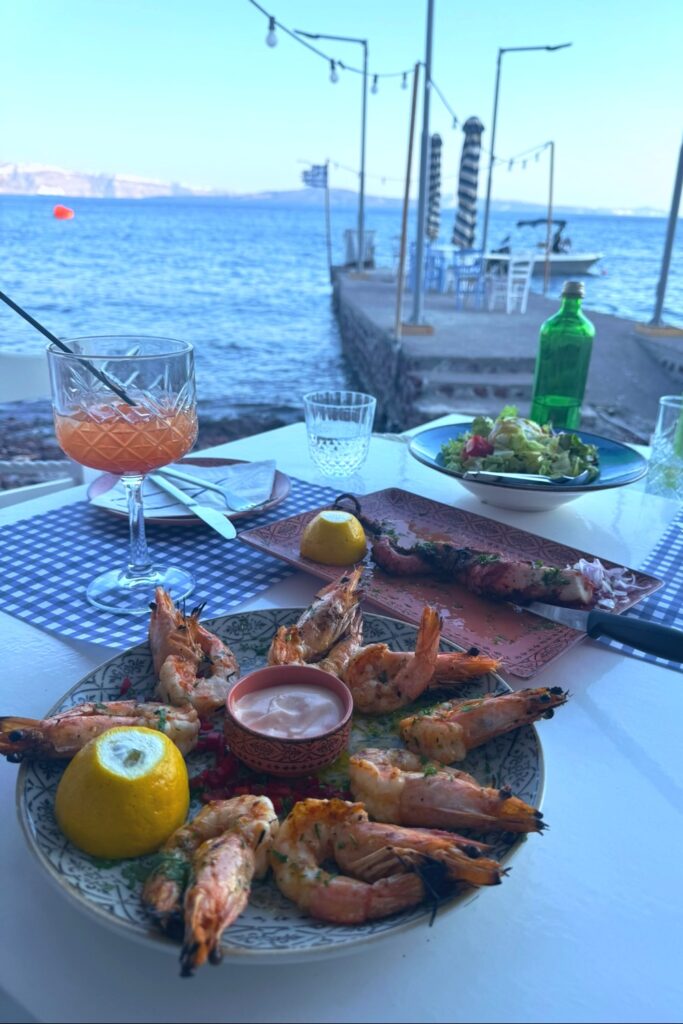
- Fresh seafood: Grilled prawns, mussel saganaki, fresh fish. Coastal towns like Rhodes and Paros do this best.
Drinks to try:
- Freddo cappuccino: Greece’s version of iced coffee, espresso shaken into a cold foam poured over ice. You’ll find it everywhere and order it constantly. Someone needs to bring these to the States.
- Kumquat spritz: Corfu’s signature drink, made with the island’s famous kumquat liqueur. Light, citrusy, refreshing. Try it before you leave the island.
What to budget: A traditional sit-down meal runs $15–25 per person on most islands. Santorini and Oia will run $30–50+ at restaurants with caldera views.
What’s Up Next on This 1-Month Itinerary?
If you’re following my 1 month Balkans route, the final country is Turkey, entering via the ferry from Rhodes to Fethiye.
If you want to see the rest of the trip, check out my other guides:
- 1 Month Balkans+ Itinerary (Montenegro, Albania, Greece, Turkey)
- 4 Days In Montenegro (Kotor, Budva, Perast)
- Top 5 Things To Do In Kotor
- 8 Days In Albania (Shkodër, Lake Koman, Tiranë, Gjirokastër, Sarandë, Himarë)
- 8 Days In Turkey (Fethiye, Cappadocia, Istanbul)
Frequently Asked Questions
Is Greece worth visiting?
Yes, but the experience varies a lot depending on where you go. The islands are as beautiful in real life as in the photos, the food is excellent, and the beaches are pristine. Just know that the most-Instagrammed spots (Santorini, in particular) can feel crowded and overpriced.
Do I need a visa for Greece?
Greece is part of the Schengen Area. Most Western passport holders (US, UK, Australia, etc.) can enter visa-free for up to 90 days within a 180-day period. Check the current requirements for your specific passport before travel.
Is Greece expensive?
It’s more expensive than the previous two countries on this itinerary, Albania and Montenegro. Athens and Rhodes are reasonably priced, while Paros is a bit more expensive. Santorini is the most pricy. Budget $60–100/day on the non-Santorini islands for accommodation, food, and transport if you’re being mindful.
What currency does Greece use?
The euro (€). Cards are widely accepted across all the islands and in Athens. Cash is useful for local buses, small tavernas, and market stalls.
How do I book ferries in Greece?
Ferry Hopper is the easiest platform for comparing routes, times, and operators. Book as early as possible for summer travel. High-speed ferries sell out well in advance, especially on the Piraeus–Paros–Santorini route.
What’s the best time to visit Greece?
For most travelers, May, June, or September are the best months to visit Greece, with warm weather, manageable crowds, and lower prices than peak summer. See the Best Time to Visit Greece section above for a month-by-month and island-by-island breakdown.
What’s a good alternative to Santorini?
For most travelers doing a first Greece trip on a moderate budget, Paros is a fantastic option. It’s more charming, less crowded, more affordable, and has more variety with its different villages.