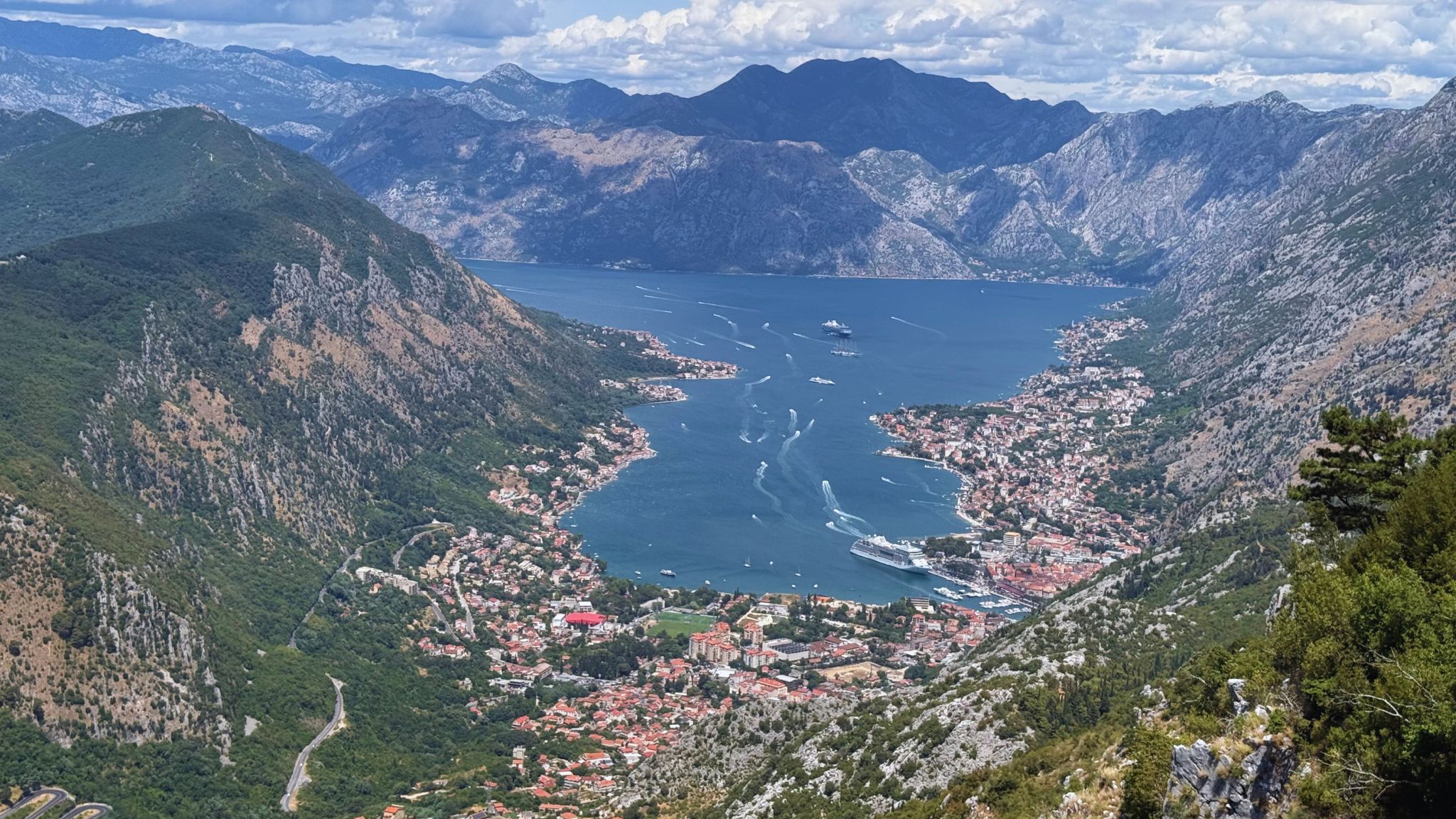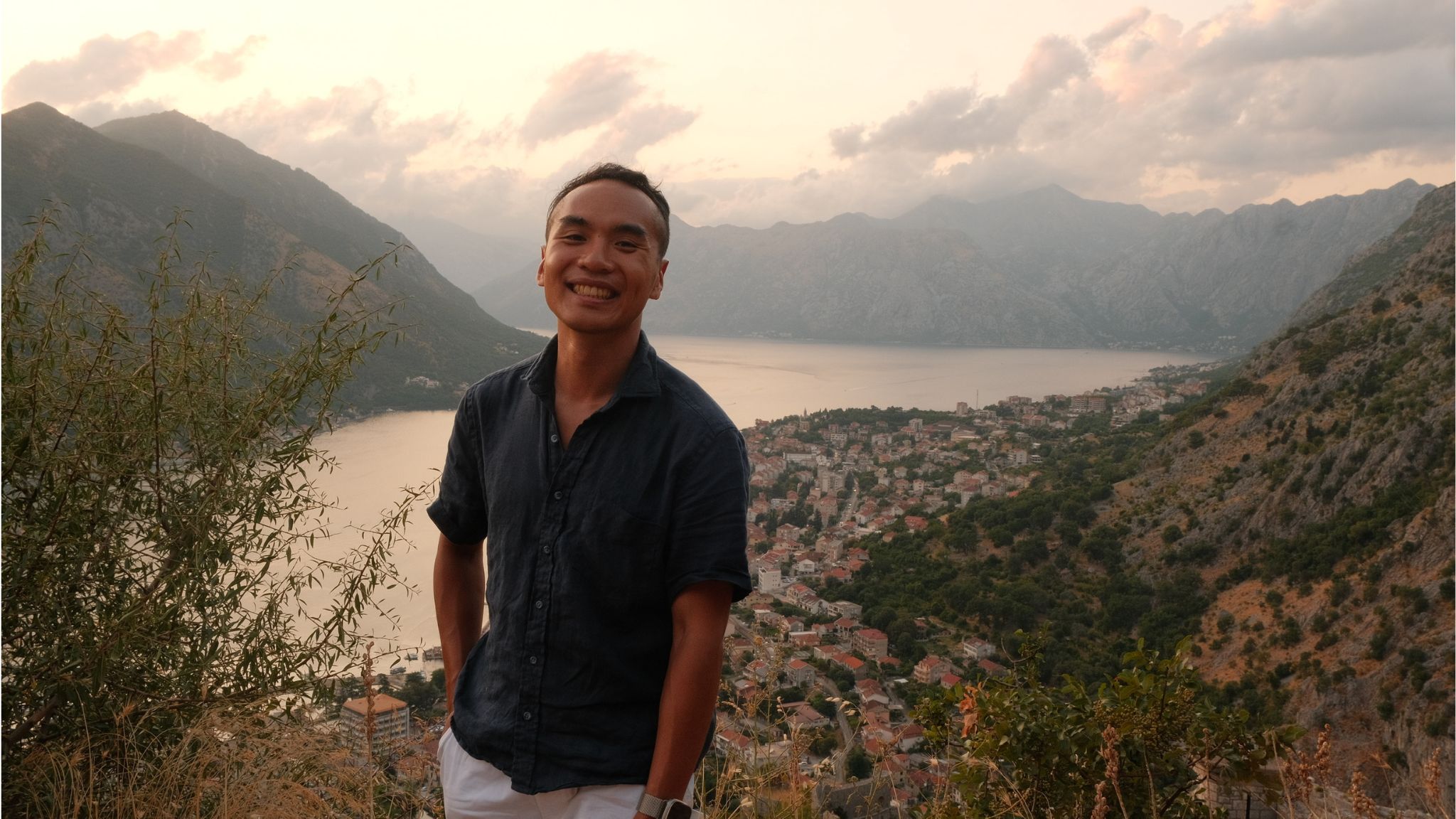
Kotor, Montenegro was an amazing way to kick off my month-long Balkans trip. Going in, I thought to myself, how spectacular can this small town be? But the moment I saw the Bay of Kotor framed by the towering limestone mountains, I was in awe. This Kotor travel guide breaks down exactly how to make the most out of your four days in this coastal town.
Table of Contents
Kotor Itinerary At a Glance
This 4-day Kotor itinerary covers Kotor Old Town, the San Giovanni Fortress hike, the Lovćen cable car and alpine coaster, a boat tour to Perast and Our Lady of the Rocks, and a Budva day trip. The trip costs about $621 per person in peak summer and is designed to be done without a rental car using buses, taxis, and boat tours. Best months to go: May, June, or September.
| Day | Activities |
|---|---|
| Day 1 | Arrive in Kotor (travel day) |
| Day 2 | Kotor Old Town, Kotor Fortress hike |
| Day 3 | Lovćen cable car, alpine coaster, Perast boat tour |
| Day 4 | Budva day trip (Old Town + Mogren Beach) |
Kotor Budget Overview
I spent $621 total on this Kotor itinerary in July (peak season). I traveled with a friend with whom I split accommodation and taxi costs.
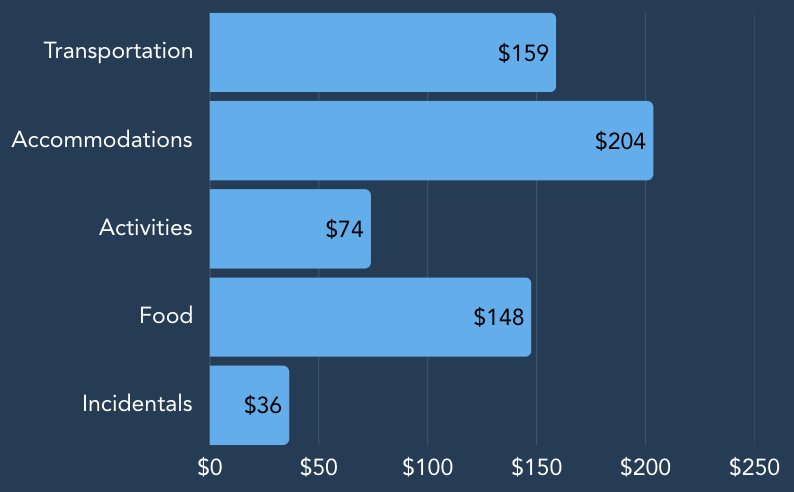
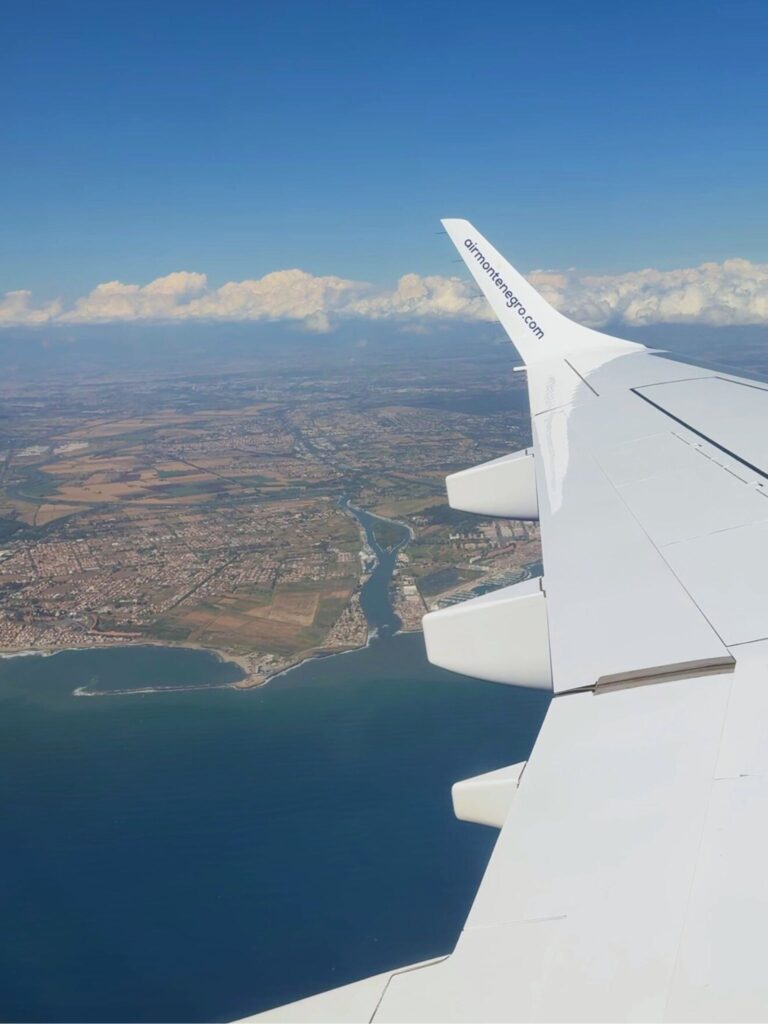
Flights are relatively affordable if you’re flying out of a big European city. For example, I flew from Rome (FCO) to Podgorica (TGD) for $102, and my friend flew from Barcelona (BCN) for around the same price.
Accommodation was the biggest expense. We paid $407 total for 4 nights (a little over $100/night) for a place outside of Old Town Kotor.
Day-by-Day Itinerary
For an in-depth breakdown of the activities mentioned in this Kotor itinerary, see Top 5 Things to do in Kotor.
Day 1: Arriving in Kotor
- Option 1: Getting to Kotor from Podgorica (TGD)
The most common option (and what I did) is flying into Podgorica (TGD), which usually has the widest range of flights. From the airport, take a taxi to the Podgorica bus station and catch a bus to Kotor. The journey usually takes around 2 hours, but summer traffic can make this longer; mine took closer to 4 hours. - Option 2: Getting to Kotor from Tivat (TIV)
Flying into Tivat (TIV) is the easiest way to reach Kotor because it’s the closest airport. Once you land, it’s a short bus ride or taxi straight to your accommodation. The main downside is availability. Tivat tends to have fewer flight options than Podgorica (especially outside peak summer), and prices are often higher too. - Option 3: Getting to Kotor from Dubrovnik (DBV)
Flying into Dubrovnik (DBV) is a great option if you’re already planning to start in Croatia. From Dubrovnik, you’ll travel overland to Kotor and cross the Croatia–Montenegro border. Note that during peak season, the border crossing can take a while, so build in some buffer and avoid tight connections.
Day 2: Kotor Old Town and Kotor Fortress
- Spend the morning and afternoon exploring Kotor Old Town (wander the lanes, stop at a café, and grab lunch).
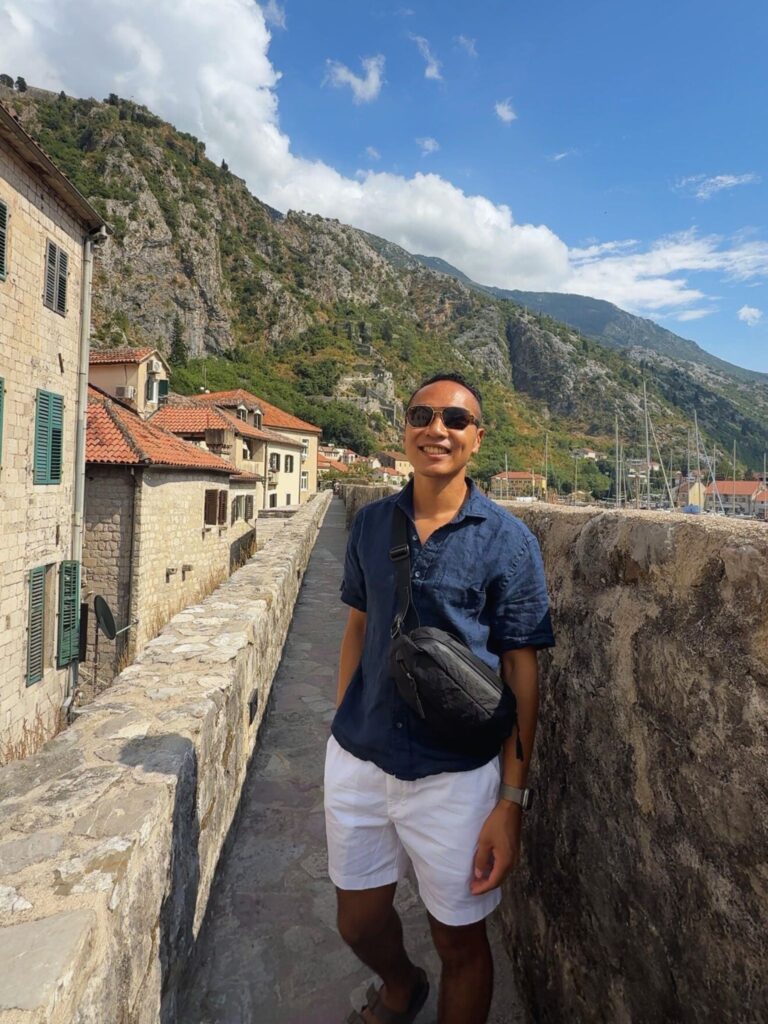
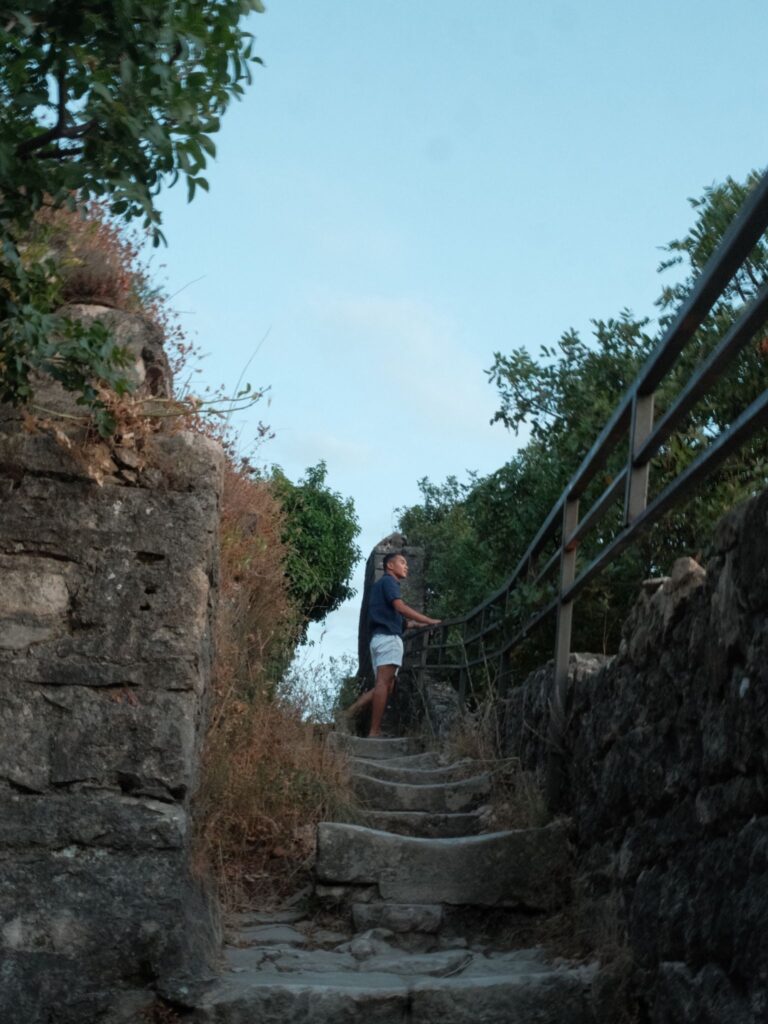
- Hike up to the Kotor Fortress (San Giovanni Castle) at sunset for the best panoramic view of the Bay of Kotor.
Day 3: Lovćen Cable Car, Alpine Coaster, and Perast Boat Tour
- In the morning, ride the Lovćen Cable Car for mountain-meets-sea views. Try the alpine coaster at the top if you’re looking for an adrenaline rush.
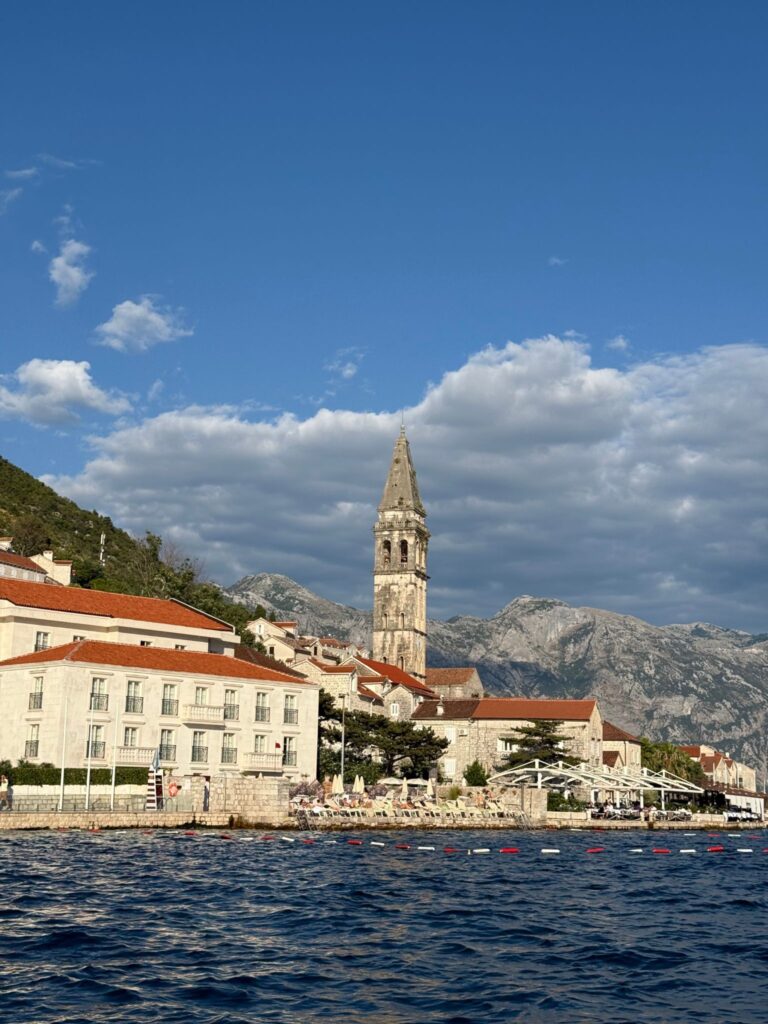
- In the afternoon, take a boat tour to Perast, stroll the waterfront, and take in the views of Our Lady of the Rocks.

Day 4: Budva Day Trip
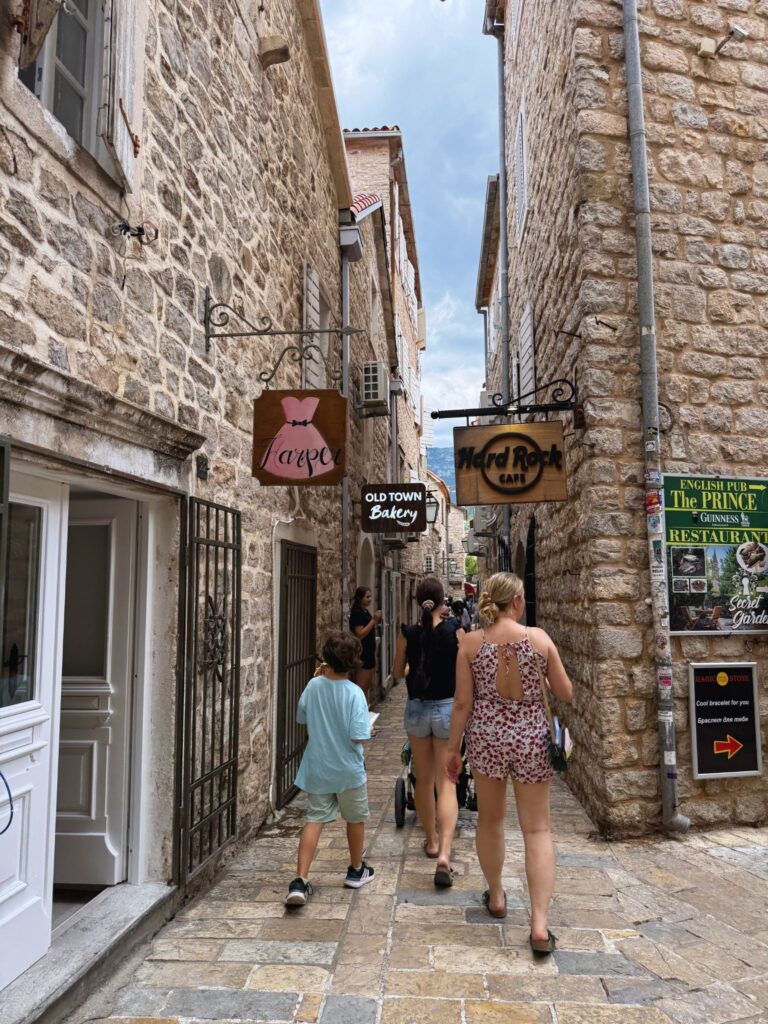
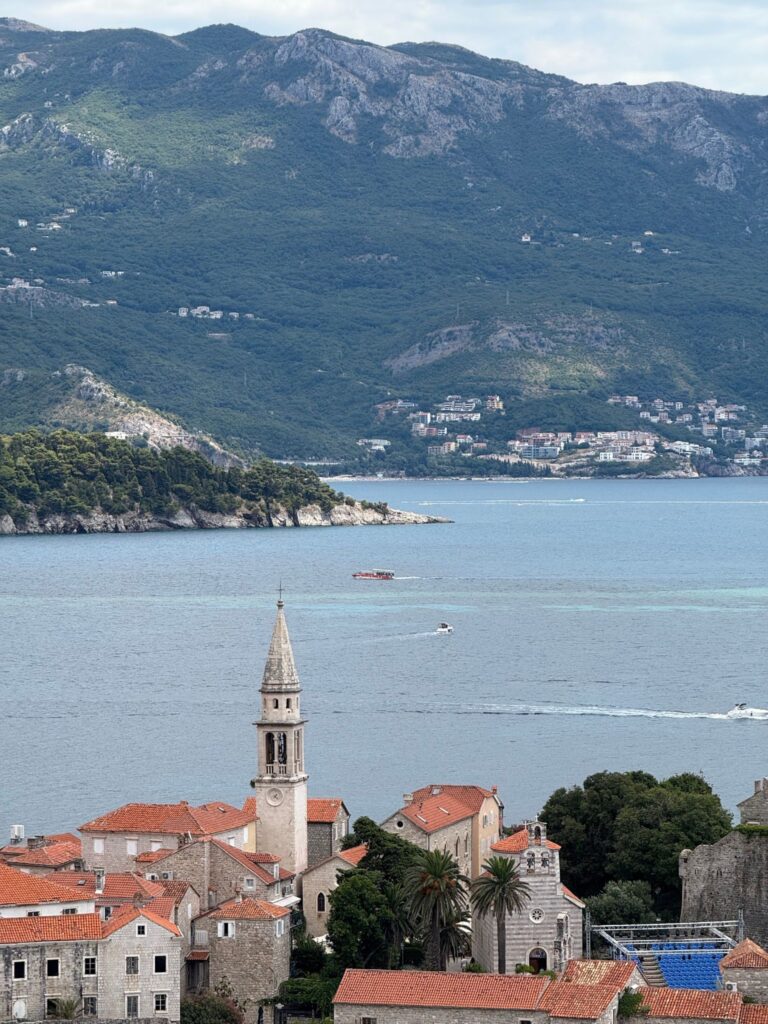
- Take a bus or taxi to Budva and spend the day exploring another vibrant coastal town along the Adriatic Coast.
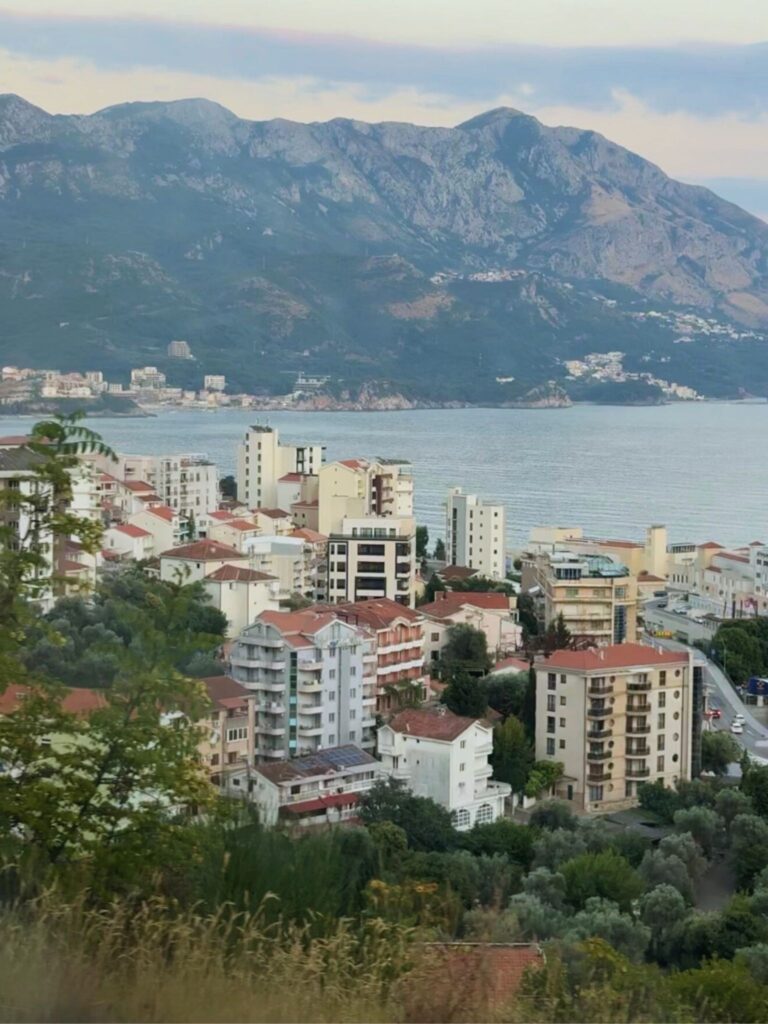
- Have lunch at Restoran Vista Vidikovac for a sweeping viewpoint over the coast and Budva’s rooftops.
- Walk to Mogren II Beach for clear water and dramatic cliffs. Just know it gets crowded in peak summer.
- Return to Kotor for dinner and prepare for tomorrow’s departure.
Day 5: Departing Kotor
- If Kotor is a standalone trip, travel back to Tivat/Podgorica for your flight out.
- If you’re following my month-long Balkans itinerary, take the morning bus to Shkodër, Albania to start the next leg.
Where to Stay in Kotor (Inside vs. Outside Old Town)
Kotor is small, but where you stay matters, especially on a fast-paced itinerary. The main decision is staying inside Old Town (maximum convenience) or outside the walls (better value and quieter).
Option 1: Stay outside Old Town (more affordable, quieter)
Best for: budget-conscious travelers, light sleepers, and anyone who doesn’t mind walking.
- Pros: lower prices, calmer atmosphere, and you’re more likely to get bay or mountain views from your accommodation.
- Cons: expect a 10–20 minute walk into Old Town where most restaurants, tours, and nightlife are located.
- What to look for: air conditioning, easy self-check-in (if arriving late), and a location not too far uphill.
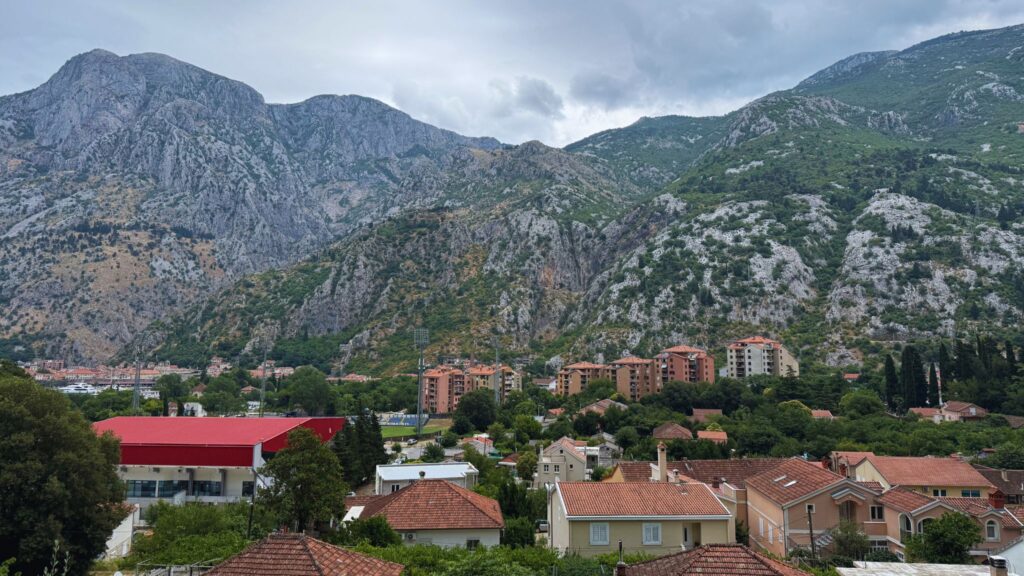
This is the option we went with since we booked relatively late and couldn’t find any appealing options inside Old Town. We had a great stay at Villa Lili Kotor. The owners were super nice, and the accommodation itself had a spacious porch surrounded by greenery, plus a great view of the limestone mountains as the backdrop.
Option 2: Stay inside Old Town (more convenient, livelier)
Best for: first-time visitors and anyone who wants to minimize walking.
- Pros: steps from cafés, restaurants, tours, and the waterfront; perfect for early mornings and late nights.
- Cons: smaller rooms, more nighttime noise, and higher prices (especially July–August).
- What to look for: air conditioning, soundproofing, and very clear check-in directions (Old Town streets can be confusing at night).
My recommendation
If you find a good deal, stay in Old Town Kotor. It saves a surprising amount of walking, which you’ll feel especially at the end of the day. If prices are high (common in summer), staying just outside the walls is still a good option as long as the walk is reasonable.
Browse Kotor Old Town Stays
How to Get Around Kotor (No Car Required)
Getting around Old Town Kotor on foot
Old Town Kotor is compact and easy to explore by foot. You can walk the entire walled area in under an hour. Most restaurants, shops, tour agencies, and attractions are here as well. The main entrance to the Kotor Fortress hike is also inside Old Town.
Our longest regular walk was from Old Town back to our accommodation (about 20 minutes outside the walls). If you don’t want to walk, local buses run in the area, but we personally didn’t use them.
Getting from Kotor to nearby towns by bus
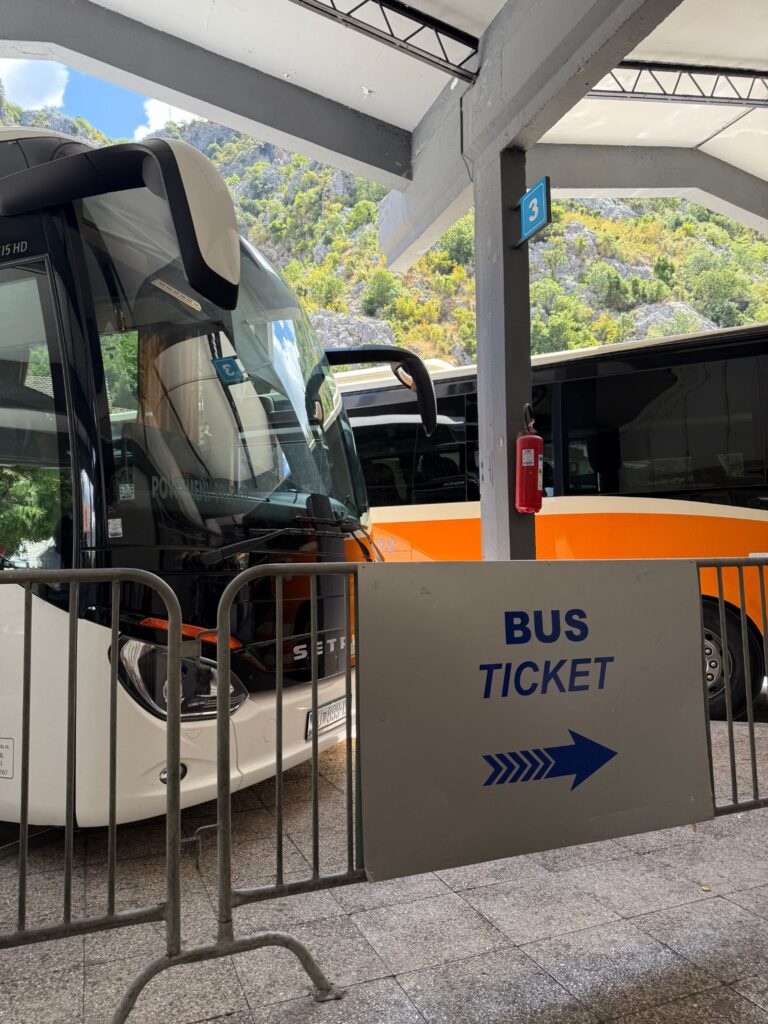
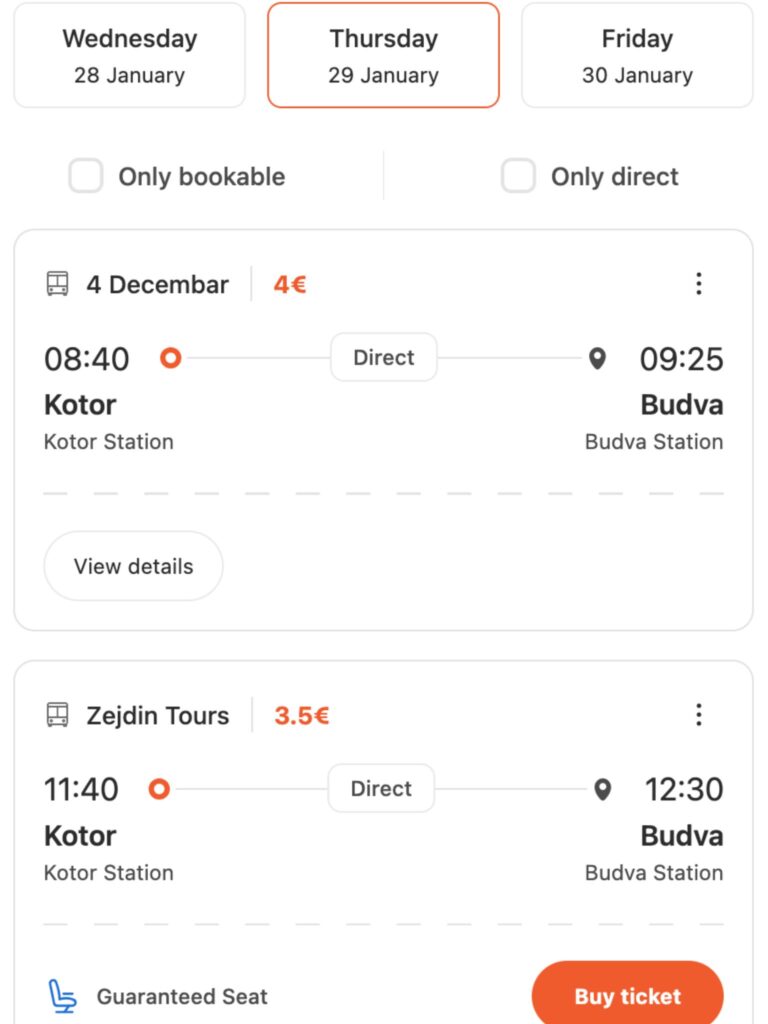
Intercity buses are the easiest budget option for nearby day trips. For example, we took a bus from Kotor to Budva which took about 1 hour. You’ll want to get familiar with the Kotor Bus Station (just outside Old Town), since this is where buses arrive and depart.
For tickets, you can buy at the station ticket office in person (no processing fee) or book online via Gjirafa Travel for convenience (usually with a small fee).
Getting from Kotor to nearby towns by taxi
Taxis are the most convenient option when you want to save time, especially if you’re splitting the cost. Ask the driver to use the meter or agree on a price upfront. As mentioned previously, some drivers will refuse very short rides because they’re not profitable.
Cost comparison: our bus from Kotor to Budva cost $7 each. On the way back, we took a taxi that cost $47.
What to Eat in Kotor
Montenegrin food combines Mediterranean coastal flavors with traditional meat dishes.
Fresh seafood: grilled fish, calamari, mussels, and fish stew. Our favorite restaurant was Konoba Scala Santa. Don’t miss the fish soup, squid ink risotto, and Hugo spritz.
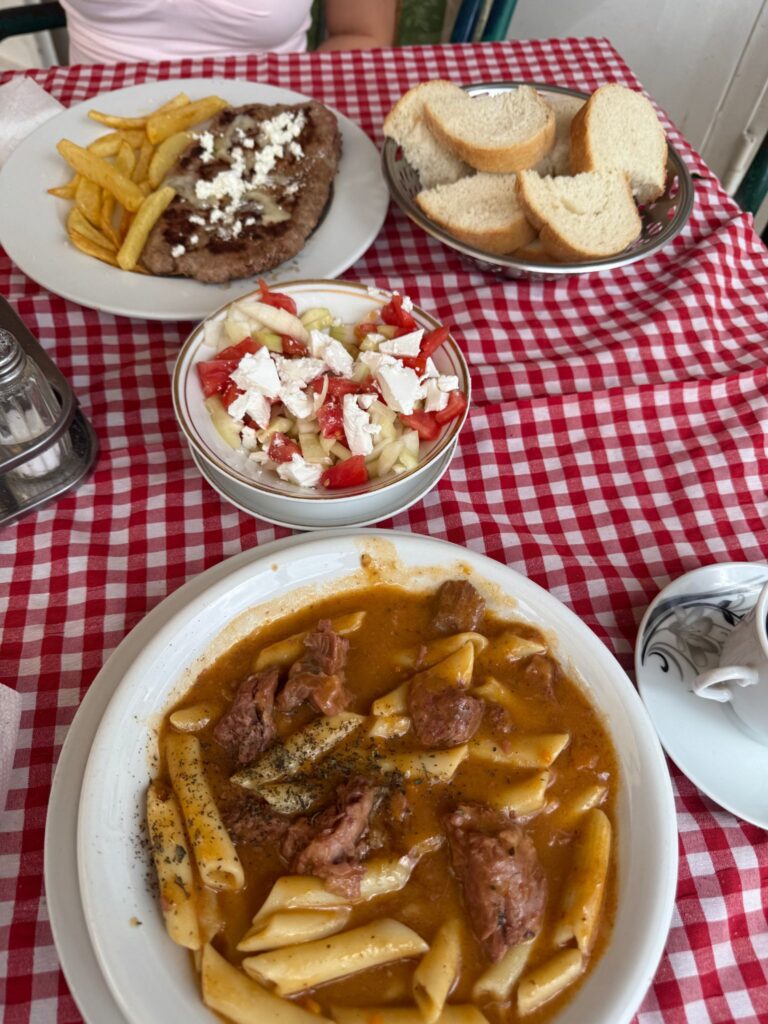
Balkan comfort plates: meat dishes like goulash (stew) and cevapi (grilled mince meat). We tried these at Erak, just outside Old Town.
Fortress hike snack: On the way up to the fortress viewpoint, make sure to stop by this shop for some cheese and fresh pomegranate juice. It’s a vibe, trust me.
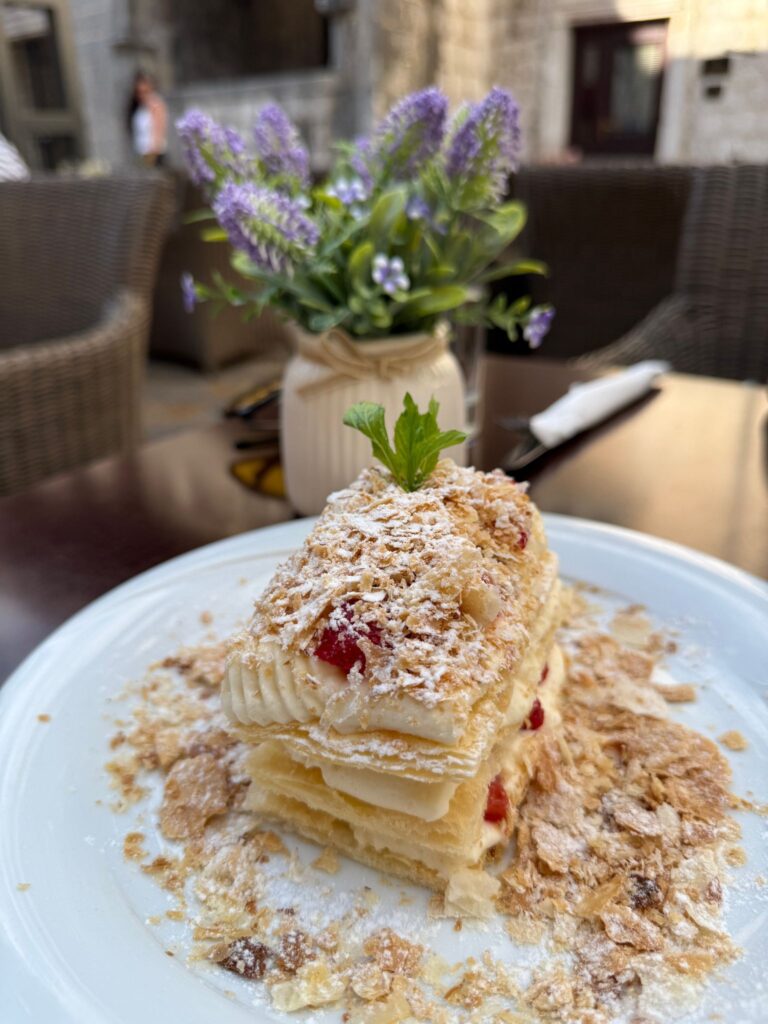
Dessert: Try krempita, a popular Balkan dessert with a light custard filling and flaky layers. We liked the strawberry version at Astoria.
For a cheap lunch (e.g. Erak), expect to pay $10-15 per person. For a nicer dinner (e.g. Konoba Scala Santa), budget $30-40 per person.
What to Do If You Have Extra Time
If you have an extra day in Kotor, consider a day trip to Durmitor National Park for alpine scenery and dramatic viewpoints. We planned to go on this Durmitor, Tara & Ostrog Monastery day trip, but it was sadly cancelled due to inclement weather.
What’s Up Next on This 1-Month Itinerary?
If you’re following my 1-month Balkans route, the next stop is Albania, one of my favorite countries. The people were genuinely the kindest I’ve met, and the landscapes are spectacular. Expect glassy alpine lakes, pristine turquoise Riviera beaches, and UNESCO heritage sites.
Check out these other travel guides from my month-long trip:
- 1 Month Balkans+ Itinerary (Montenegro, Albania, Greece, Turkey)
- Top 5 Things To Do In Kotor
- 8 Days In Albania (Shkodër, Lake Koman, Tiranë, Gjirokastër, Sarandë, Himarë)
- 9 Days In Greece (Corfu, Athens, Paros, Santorini, Rhodes)
- 8 Days In Turkey (Fethiye, Cappadocia, Istanbul)
Frequently Asked Questions
Is Kotor worth visiting?
Yes, Kotor has one of the most dramatic “mountains meet sea” landscapes in Europe. Between the medieval Old Town, the fortress hike, and the Bay of Kotor views, it’s a standout stop (and an ideal first destination if you’re starting a Balkans trip).
What’s the best time to visit Montenegro (especially Kotor)?
May, June, and September are the sweet spots for Kotor: warm weather, fewer crowds, and better prices than peak summer. July–August is stunning but busy (and hot), with higher accommodation costs and more traffic around the bay. If you’re visiting in peak season, book lodging early and start your days in the morning to avoid the midday heat.
What language is spoken in Montenegro?
The official language is Montenegrin, which is very closely related to Serbian, Croatian, and Bosnian. In tourist areas like Kotor, you may also hear some Italian.
Can you get around Montenegro with just English?
Yes, especially in Kotor, Budva, Perast, and other tourist towns. I got by comfortably with English in hotels, restaurants, tour booths, and transportation hubs. Outside tourist areas, English can be more limited, so a translation app and a few basic phrases go a long way (zdravo ‘hello’ and hvala ‘thank you’).
What currency is used in Montenegro?
Montenegro uses the euro (€). Cards are widely accepted in Kotor, but keep some cash for small purchases and bus-related fees (like luggage/platform fees).
Do you need a car to visit Kotor?
No. Kotor is easy to explore on foot, and you can reach nearby places like Budva and Perast using buses, boats, and short taxi rides. This itinerary is designed to be done without renting a car.
How many days do you need in Kotor?
For most travelers, 3–4 days is ideal. Two days cover Old Town and the fortress, while three to four days give you time for the cable car, alpine coaster, Perast boat tour, and a Budva day trip.
Are there any tourist hassles to know about?
A few quick ones: (1) summer traffic can make bus rides much longer than expected, (2) small bus station/luggage fees are common and often paid in cash, and (3) taxis won’t accept very short rides.
How’s the internet connection in Kotor?
When I visited in summer 2025, internet reliability was hit-or-miss. My eSIM data was spotty at times, so if you need to work remotely, choose accommodation with consistently strong Wi-Fi (and don’t assume you can rely on mobile data).
What’s up with all the cats in Kotor?
Kotor has a huge stray cat population; they’re basically part of the city’s identity and show up in souvenirs everywhere. If you’re a cat person, you’re going to be very happy here.