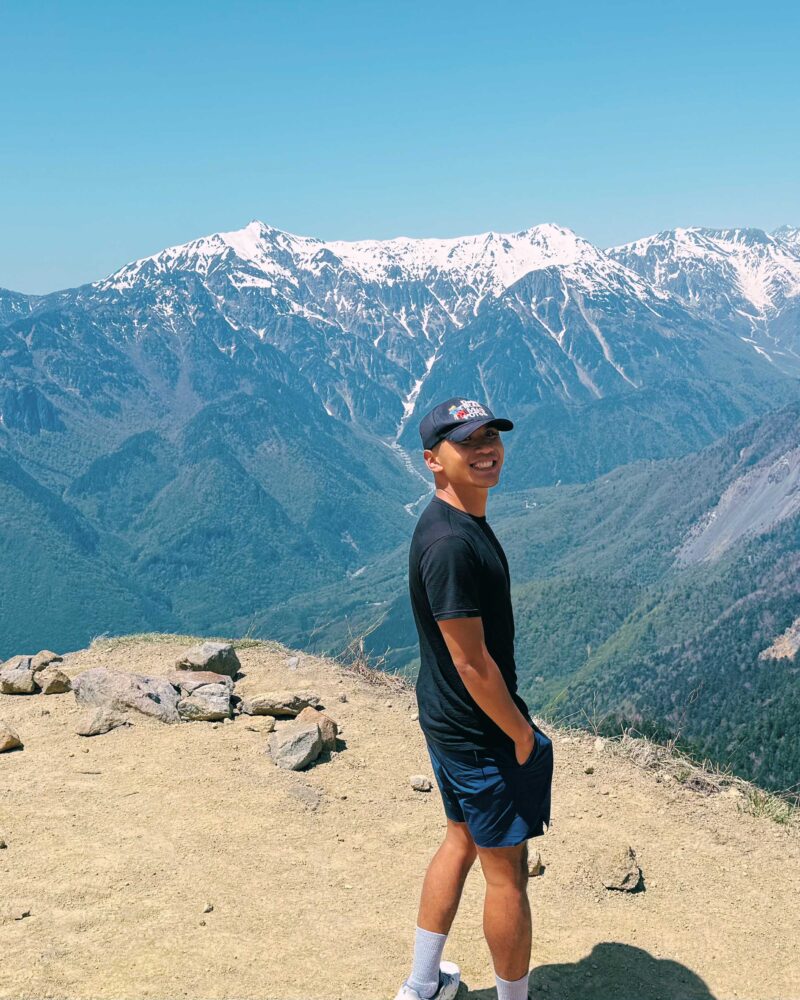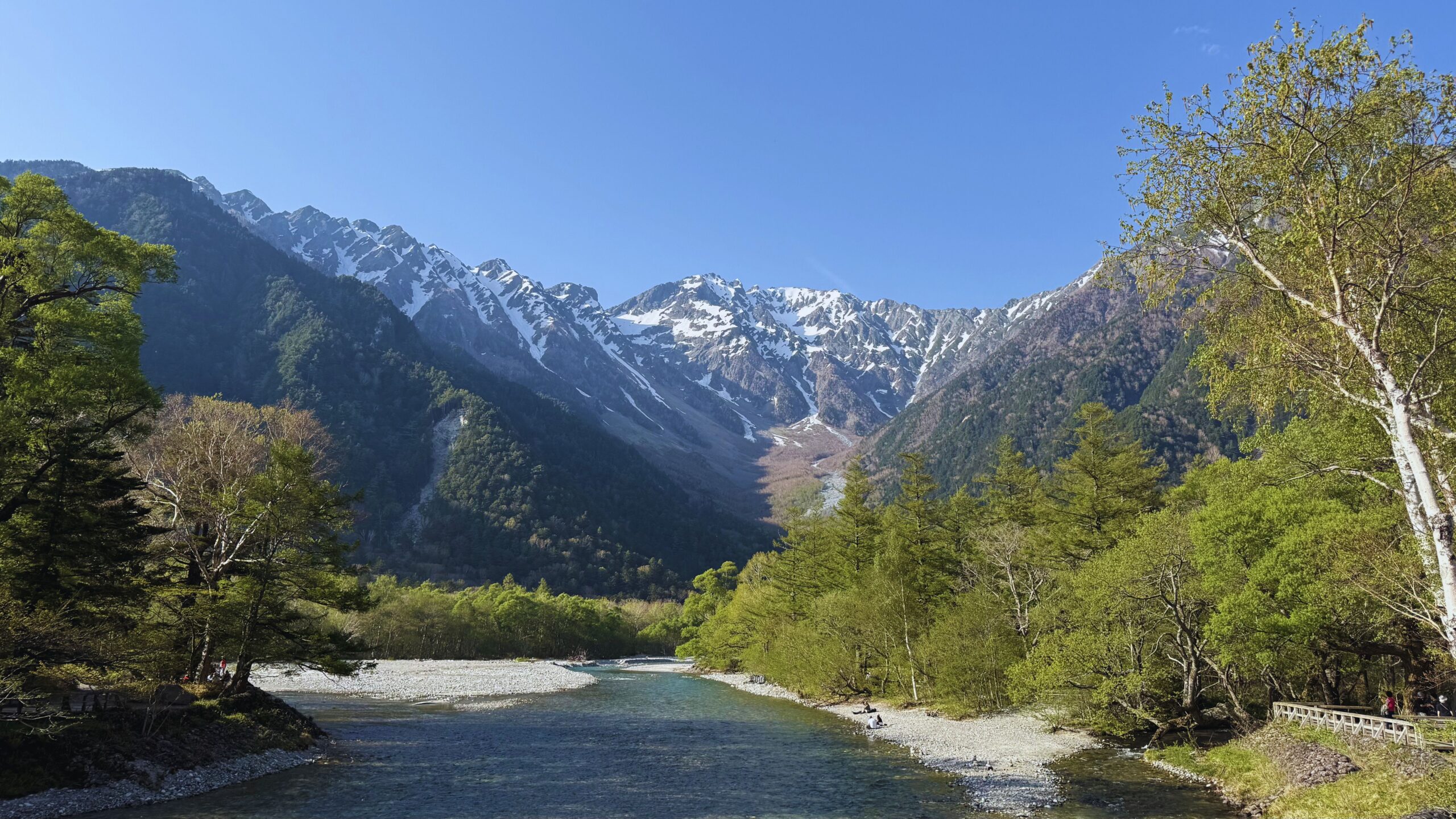
Before this trip, I only thought of Japan as a country of bustling cities and historic temples. As someone who loves hiking, it never occurred to me that Japan might have world-class trails too.
Then I found out about the Japanese Alps when researching for my 2-week Japan trip. They looked stunning and easier to visit than you’d think. After spending a day hiking through Kamikochi in the Northern Alps, I’m surprised they don’t get more attention from foreign visitors.
This Japanese Alps travel guide covers everything you need to know about hiking in Kamikochi and why I think it deserves a place on your next Japan itinerary.
Japanese Alps Itinerary at a Glance
This itinerary is designed around a single full day in Kamikochi, the gateway to the Japanese Alps. The day before, you’ll travel to your base and settle in so you can catch an early bus into the park the following morning.
Once you’re in Kamikochi, you can tailor the day to your fitness level. If you want an easy outing, walk the valley between Taisho Pond, Kappabashi Bridge, and Myojin Pond. If you’re looking for a challenge, hike Mount Yakedake for sweeping views across the Northern Alps.
This Japanese Alps itinerary relies solely on public transport. No rental car needed.
Table of Contents
Where to Base Yourself
The biggest decision when visiting Kamikochi is where to stay the night before. For this Japanese Alps itinerary, you have three main options.
Staying in Hirayu Onsen: This is what I did, and I think it’s the sweet spot. Hirayu is a small mountain town with traditional ryokans and excellent onsens, just 30 minutes from Kamikochi by bus. You get the experience of sleeping in an onsen town while maximizing your time on the trails the next morning.
Staying in Takayama: This is the most good option if you’re already exploring the city and don’t want to change hotels for a single night. The downside is that it’s about an hour by bus to Hirayu Onsen, followed by another 30 minutes to Kamikochi, so you’ll need an early start and will spend more time in transit.
Staying in Kamikochi: If your budget allows, this is the most convenient option. You’ll wake up inside the park and can start hiking before the first buses arrive, giving you the quietest trails and best morning light. The tradeoff is price and availability. Accommodation inside Kamikochi is limited and books out well in advance, especially during peak hiking season, so reserve your stay as early as possible if this is the route you want to take.
My stay: I stayed at Hirayukan and recommend it! I loved the Japanese-style rooms with tatami mats, as well as a number of different onsens that you could use.
A note on ryokan accommodation: Some traditional ryokans in Hirayu Onsen do not have showers in the rooms. The public onsen is how you wash up. The Italian couple checking in next to me was shocked when they found this out. If you prefer an en-suite shower, check the room description before booking, or contact the accommodation directly to confirm.
Browse Hirayu Onsen Stays
How to get to Kamikochi
From Hirayu Onsen
Take the bus from Hirayu Onsen Bus Terminal to Kamikochi Bus Terminal. The ride takes just 30 minutes. I bought my tickets at the ticket counter the day of and had no issues. Buses run every 30 minutes, and if one fills up, another pulls in behind it so you’re not stuck waiting for the next departure.
From Takayama
Take the Nohi Bus from Takayama Bus Center to Hirayu Onsen Bus Termina. Then transfer to another bus bound for Kamikochi Bus Terminal (same as above). The entire journey takes about 1 hour 30 minutes, including the transfer. If you’re visiting as a day trip from Takayama, catch one of the earlier departures so you have a full day on the trails. The earliest bus leaves at 6AM. Refer to the Nohi Bus website for the latest schedule.
Staying in Kamikochi
If you’re already staying inside Kamikochi, there’s nothing to plan. Hotels are within walking distance of the bus terminal and the main trail network, so you can simply walk out the door and start exploring.
How do I get to Kamikochi from Tokyo?
From Tokyo, you have two options to reach Kamikochi via one of the mountain towns.
- Shinkansen to Takayama (faster): Take the Shinkansen from Tokyo Station to Nagoya, then transfer to the Hida limited express to Takayama. The total journey is about 3.5 hours.
- Highway bus to Hirayu Onsen (simpler): A direct highway bus runs from Shinjuku Station to Hirayu Onsen Bus Terminal in about 6 hours. Slower than the Shinkansen, but cheaper and no transfers.
Once you’re in Takayama or Hirayu Onsen, follow the instructions above to reach Kamikochi.
What to do in Kamikochi
Option 1: The Valley Walk (less strenuous)
Get off the bus at Taisho Pond, one stop before Kamikochi Bus Terminal, and begin your hike there. Created by the 1915 eruption of Mount Yakedake, the pond is known for the dead trees rising from the water and the reflections of the Hotaka mountains on calm days.
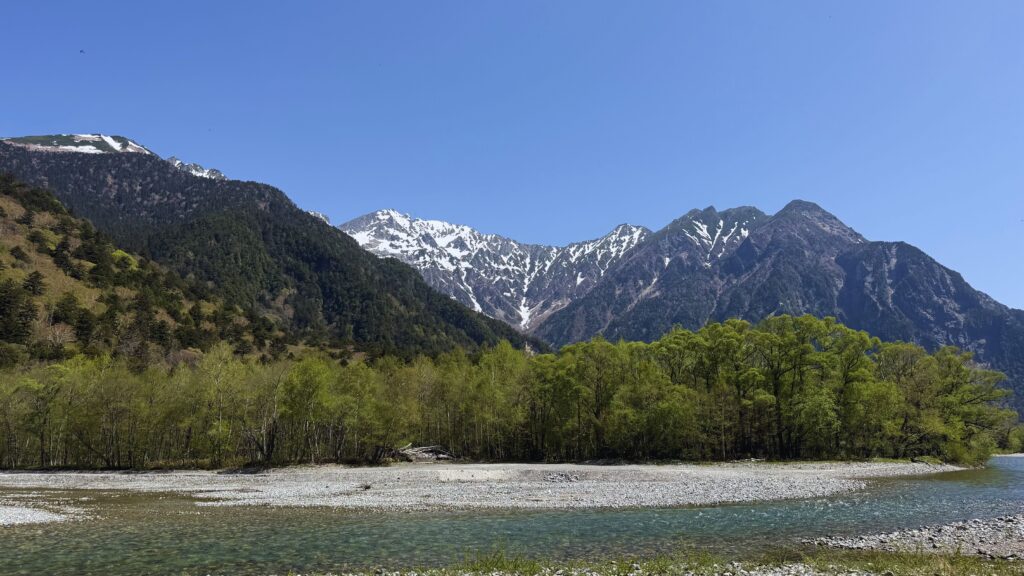
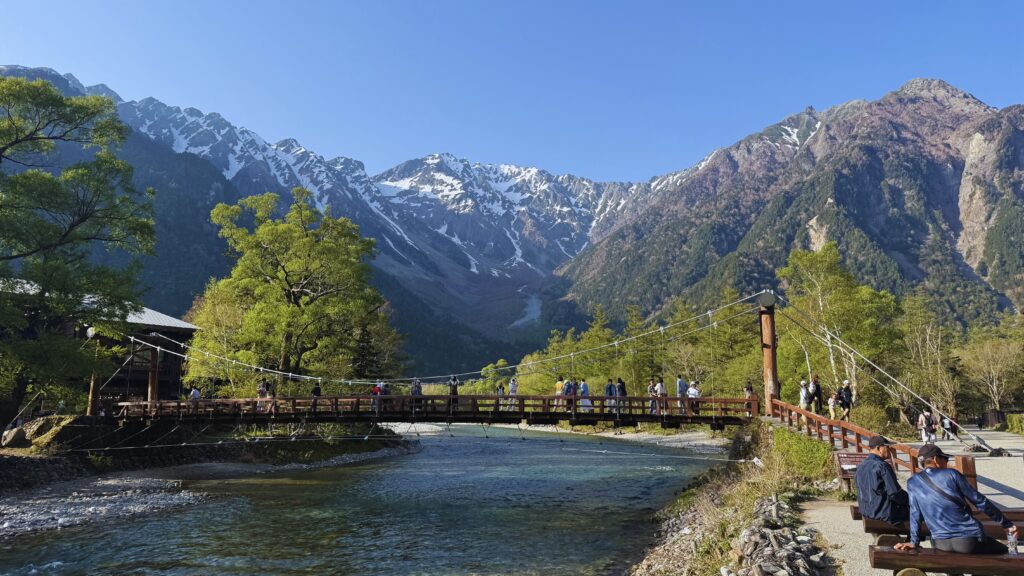
From Taisho Pond, follow the mostly flat riverside trail for about 2 miles (3.3 km) to Kappabashi. This wooden suspension bridge spanning the Azusa River is Kamikochi’s most popular landmark. From the middle of the bridge, you’ll have one of the best views in the park, with the river flowing below and the Hotaka range filling the background. You’ll also find souvenir shops, cafés, and restaurants nearby, making it a good place to stop for lunch.
If you still have the energy, continue another 2.2 miles (3.5 km) to Myojin Pond. Hidden within the forest on the grounds of Hotaka Shrine, the pond is much quieter than the area around Kappabashi. The clear water and surrounding trees make it a relaxing place to sit for a while.
When you’re finished exploring, return to Kamikochi Bus Terminal, just a few minutes’ walk from Kappabashi Bridge and catch the bus back to Hirayu Onsen or Takayama.
Total walking distance: ~7 miles (11km). See the full route on Google Maps.
Option 2: Hiking Mount Yakedake (more strenuous)
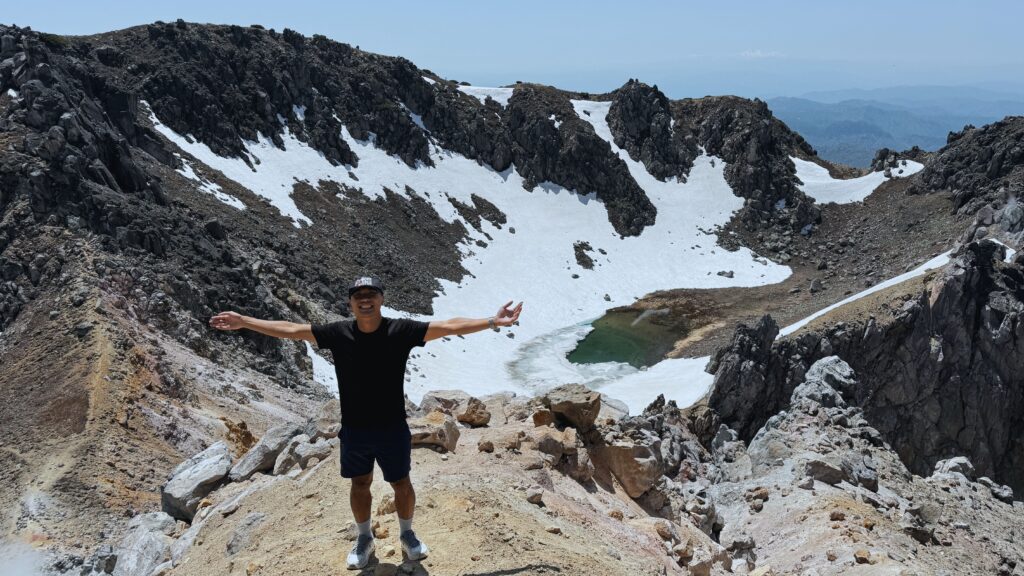
If you’re looking for a full-day trek, consider hiking Mount Yakedake, the active volcano that created Taisho Pond during its 1915 eruption. The 8-mile (13 km) round trip starts gently but becomes progressively steeper, gaining 3300ft (1000m) of elevation. Check out my reel where I hike this volcano.
Wear proper hiking shoes. I was in On running shoes and managed fine on the lower trail, but regretted hiking in them once I approached the rocky and snowy sections near the summit. Wear trail runners at a minimum or hiking boots if you have them.
To do this hike, get off at the Kamikochi Bus Terminal and follow signs toward the Mount Yakedake trailhead.
The first section is straightforward. The trail climbs gradually through the forest, and the trees provide plenty of shade for most of the ascent.
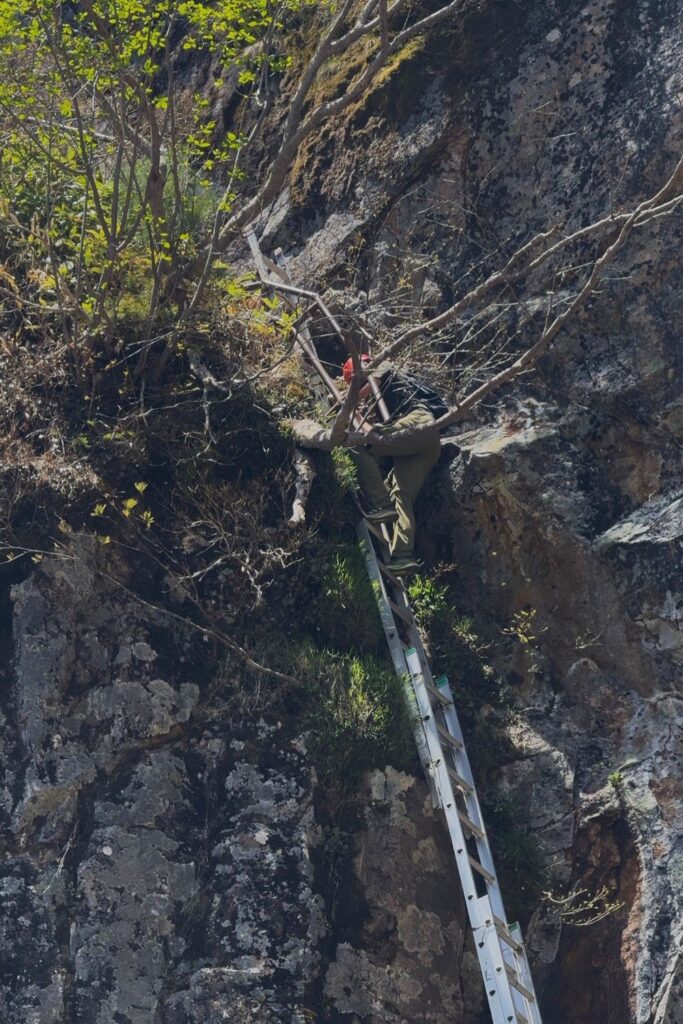
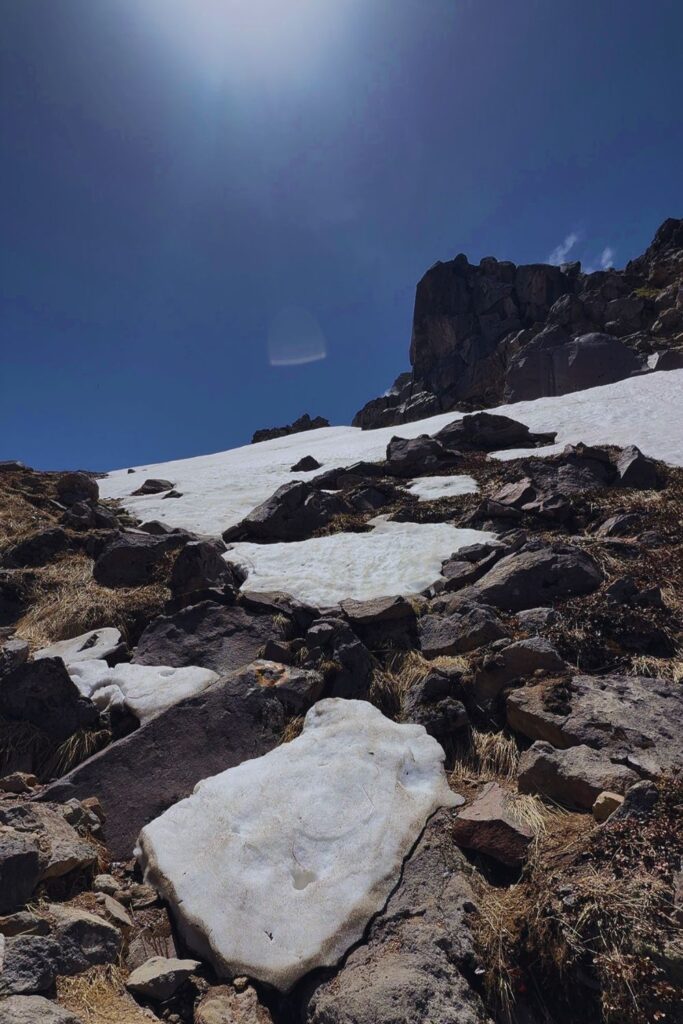
Eventually, you’ll reach the ladder section: a tall metal ladder bolted directly into the mountainside. It looks intimidating from below but is easier than it appears. Climb slowly, keep three points of contact, and don’t look down if you’re uncomfortable with heights. There’s also a short section where you’ll pull yourself up using fixed metal chains. Beyond that, you’ll cross a few snowfields. I hiked in late May, and the snow was firm enough to walk across.
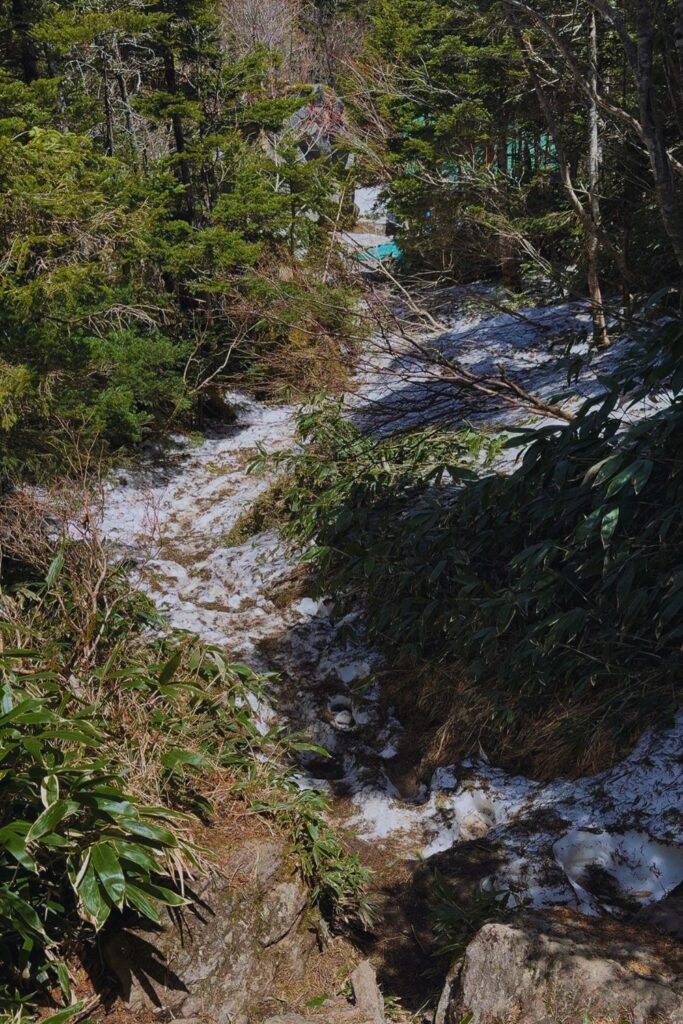
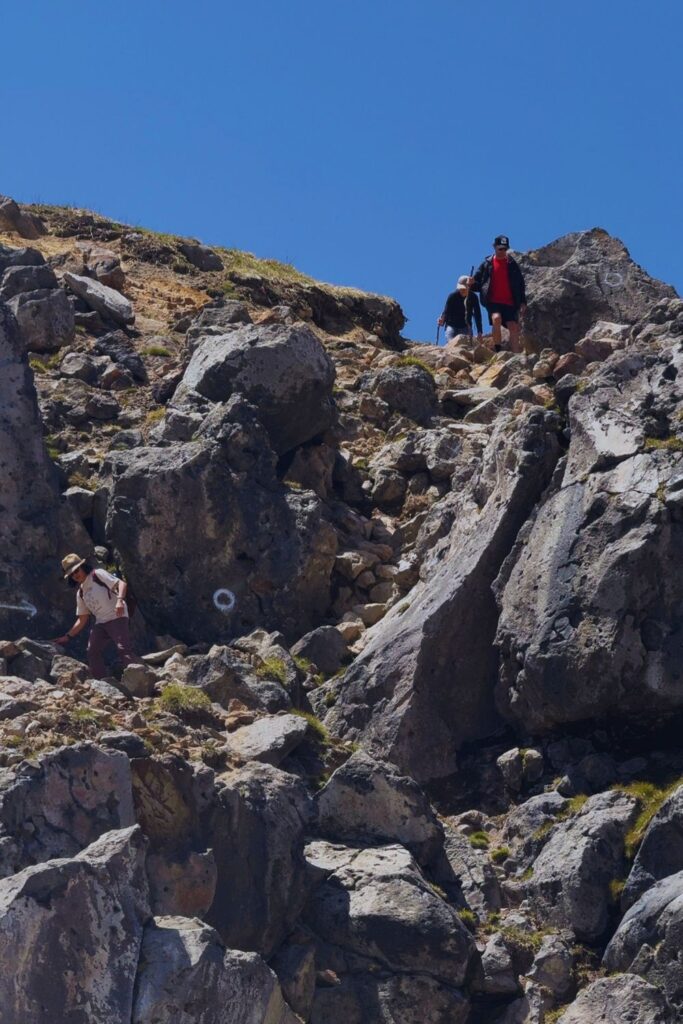
The final approach is the hardest part. The trail becomes a steep scramble over loose volcanic rock. This section absolutely kicked my butt.
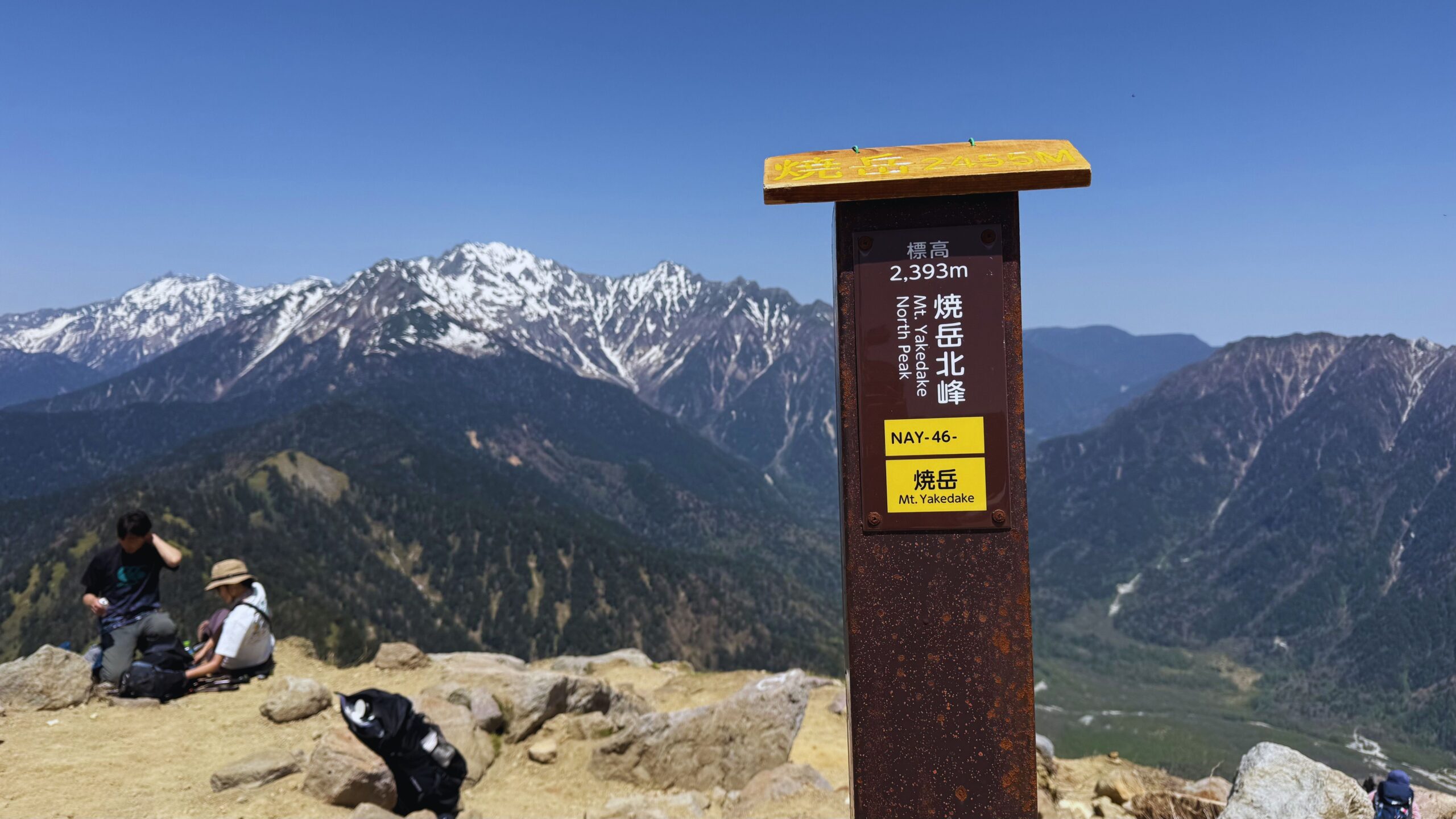
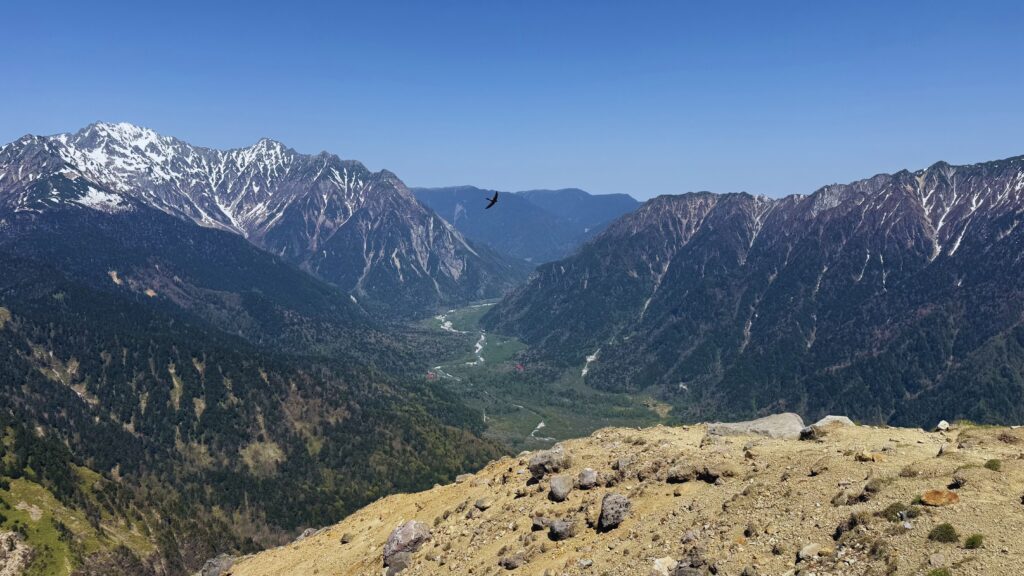
Then you reach the summit, and you’ll find out that it’s all worth it. From the top, the entire Kamikochi valley stretches out below you, framed by the peaks of the Northern Alps in every direction. I sat down, ate my egg sandwich, and admired the view for half an hour before making going back down.
After hiking back down, grab a cold drink from the shop near the trailhead and make your way to Kappabashi for one last look at the valley before catching the bus back to Hirayu Onsen or Takayama.
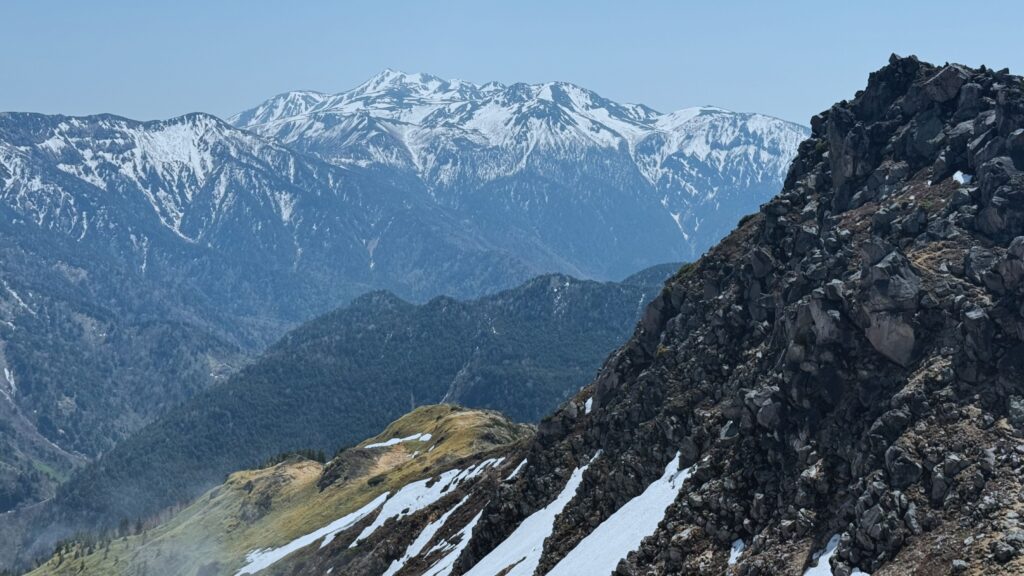
Total walking distance: ~9 miles (14.5km). This includes the time it takes to get from the bus terminal to the trailhead.
What’s Next on This Japan Itinerary?
If you’re following my 2-week Japan itinerary, you’ll take a highway bus from Hirayu Onsen to Tokyo. It’s a long six-hour ride, but the scenery through the mountains and down into the Kanto plain makes it pass faster than expected. Book your bus tickets in advance at the HighwayBus website.
Interested in the full route? Check out the other posts in my Japan travel guide.
- 2-Week Japan Itinerary: Beyond Tokyo and Kyoto
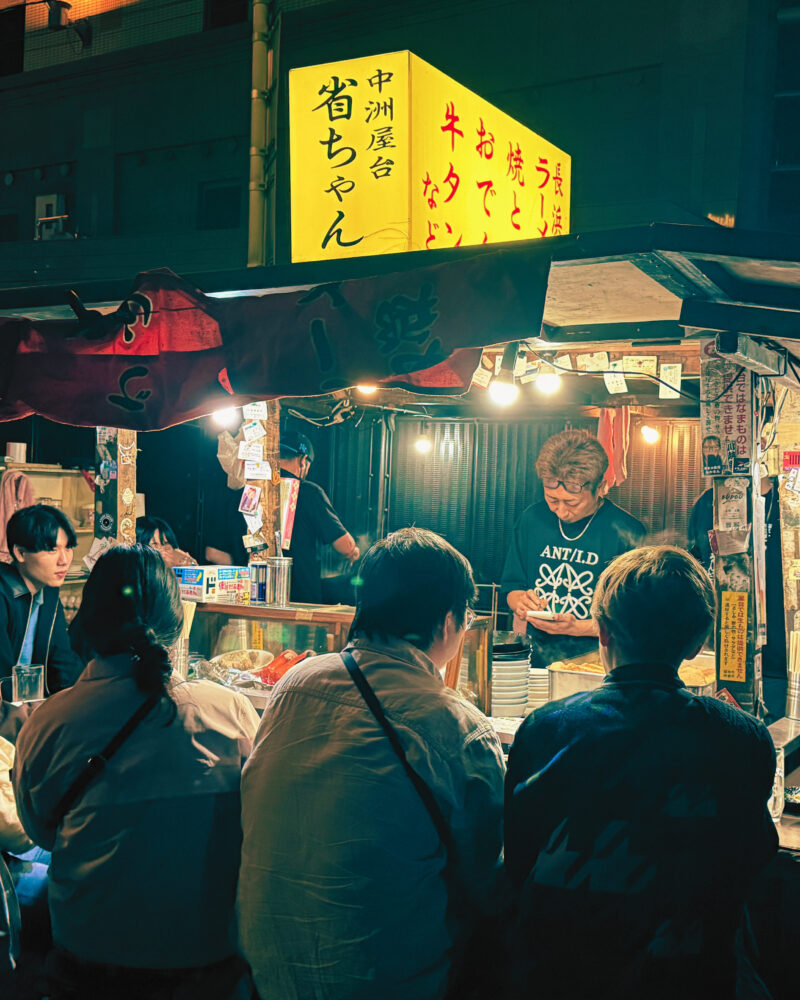
- 3 Days in Fukuoka: An Introduction to Kyushu
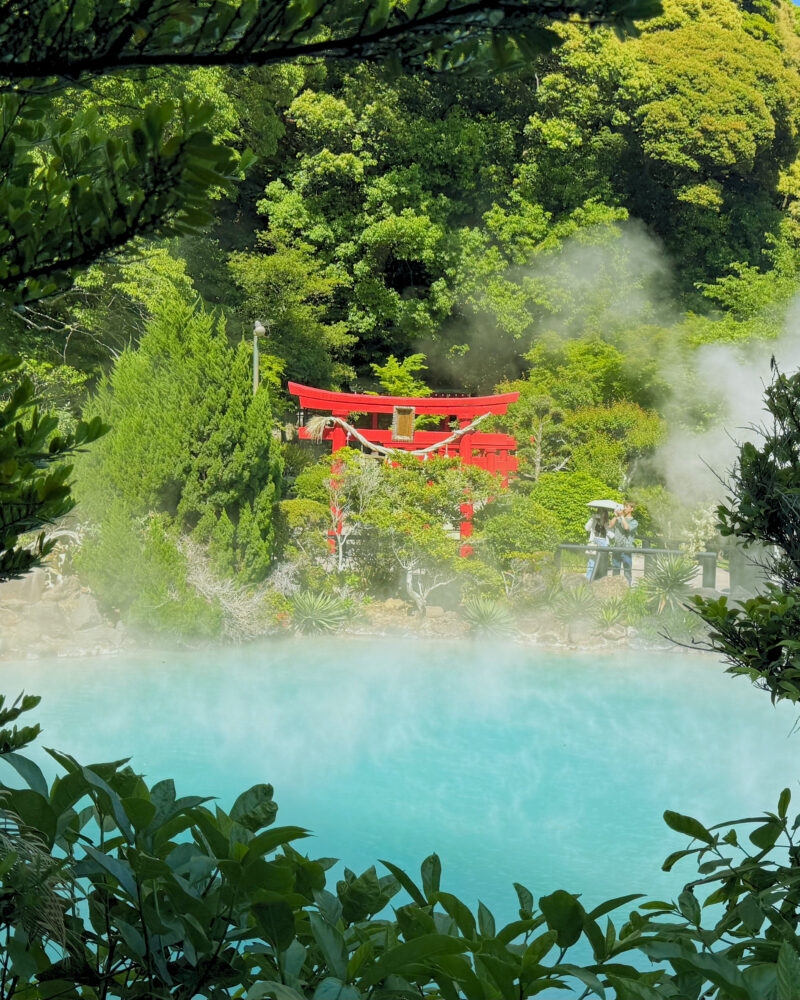
- Yufuin and Beppu: 2 Days in Oita’s Onsen Towns
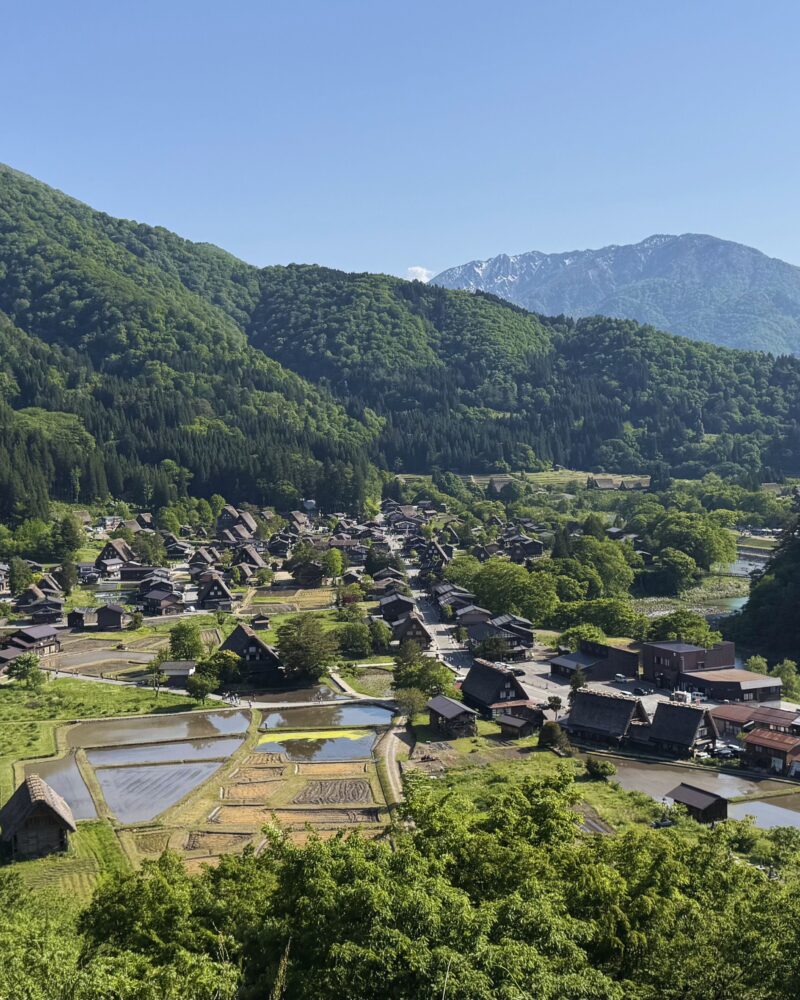
- 4 Days in Kanazawa, Shirakawa-go, and Takayama
Staying Connected
Japan’s mobile coverage is excellent, but your home carrier’s international rates can be costly. To avoid roaming charges during my two-week trip, I used Airalo. Get an eSIM before you fly, activate it when you land, and you’re connected from the moment you walk out of the airport.
Frequently Asked Questions
Is Kamikochi worth visiting?
Absolutely! Before this trip, I had no idea Japan had landscapes like this. The combination of snow-capped peaks, crystal-clear rivers, and well-maintained trails made Kamikochi one of my favorite stops on my entire Japan itinerary.
How many days do I need in Kamikochi?
One full day is enough for most visitors. It gives you plenty of time to walk from Taisho Pond to Kappabashi Bridge, continue to Myojin Pond, or tackle a longer hike like Mount Yakedake. I recommend spending the night before in Hirayu Onsen so you can arrive early and avoid the biggest crowds.
Can I visit Kamikochi from Takayama?
Kamikochi is doable as a day trip from Takayama, but it takes 1.5 hours each way. You’re looking at three hours on public transit just for a few hours exploring. I recommend staying in Hirayu Onsen the night before. It’s only 30 minutes from Kamikochi by bus, which means less time commuting and more time hiking.
When is Kamikochi open?
Kamikochi is open from late April through mid-November. The exact opening date varies by year depending on snowmelt. Outside this window, the road into the valley is closed and the area is completely inaccessible.
Can I visit Kamikochi without doing the hike?
Yes. The flat path along the Azusa River from Kappabashi Bridge to Myojin Pond is one of the most scenic easy walks in Japan. You still get the mountains, the river, the forest, and the views, all without the elevation gain.
Is Mount Yakedake a hard hike?
I found it challenging but manageable. The first half climbs steadily through the forest, while the upper section includes a metal ladder, fixed chains, snow patches in spring, and loose volcanic rock. Good hiking shoes are strongly recommended.
Are there food options inside Kamikochi?
Yes. Around Kappabashi Bridge, you’ll find cafés, restaurants, and souvenir shops where you can grab a meal or snack. If you’re planning a longer hike like Mount Yakedake, I’d still recommend packing your own food.
How do I get from Hirayu Onsen to Tokyo?
The most direct route is the highway bus from Hirayu Onsen Bus Stop to Shinjuku Station, which takes about six hours. Book in advance as seats sell out, especially on weekends. Alternatively, take the local bus back to Takayama and catch the Shinkansen from Nagoya (one transfer), which is faster but more expensive and requires more connections.