I’ll be honest: chasing waterfalls has never been my thing. I always thought, how different can water falling off a rock really be?
But Victoria Falls completely changed my mind. The falls are more than a mile wide, and the experience is much more immersive than I expected. Between the thunderous roar, the mist hitting your face, and the incredible views from different angles, there’s a lot more to it than just looking at a waterfall.
Plus, with everything from gorge swings to sunset cruises and safaris, there’s plenty to do beyond the falls themselves. If you’re looking for the best Victoria Falls activities, here are the top things to do.
Table of Contents
Victoria Falls Activities at a Glance
For nature and wildlife lovers
- Explore Victoria Falls from both the Zambia and Zimbabwe sides
- Walk the Victoria Falls Bridge
- Go on safari in Zambezi National Park or Mosi-oa-Tunya National Park
- Take a helicopter flight over the falls
For adrenaline junkies
- Bungee jump from Victoria Falls Bridge
- Gorge swing over Batoka Gorge
- White-water rafting on the Zambezi River
For unique experiences
- Visit Livingstone Island
- Swim in Angel’s Pool or Devil’s Pool
- See the lunar rainbow at Victoria Falls
For a relaxing day
- Take a sunset cruise on the Zambezi River
- Have a meal at The Lookout Cafe
- Explore Victoria Falls Town
Note on prices: All prices in this guide are approximate and listed in USD. Costs may vary by season, operator, and booking platform, and some activities charge additional park fees, government levies, transfers, or photo packages. Confirm the total price with your provider before booking.
1. Explore Victoria Falls from the Zimbabwe side
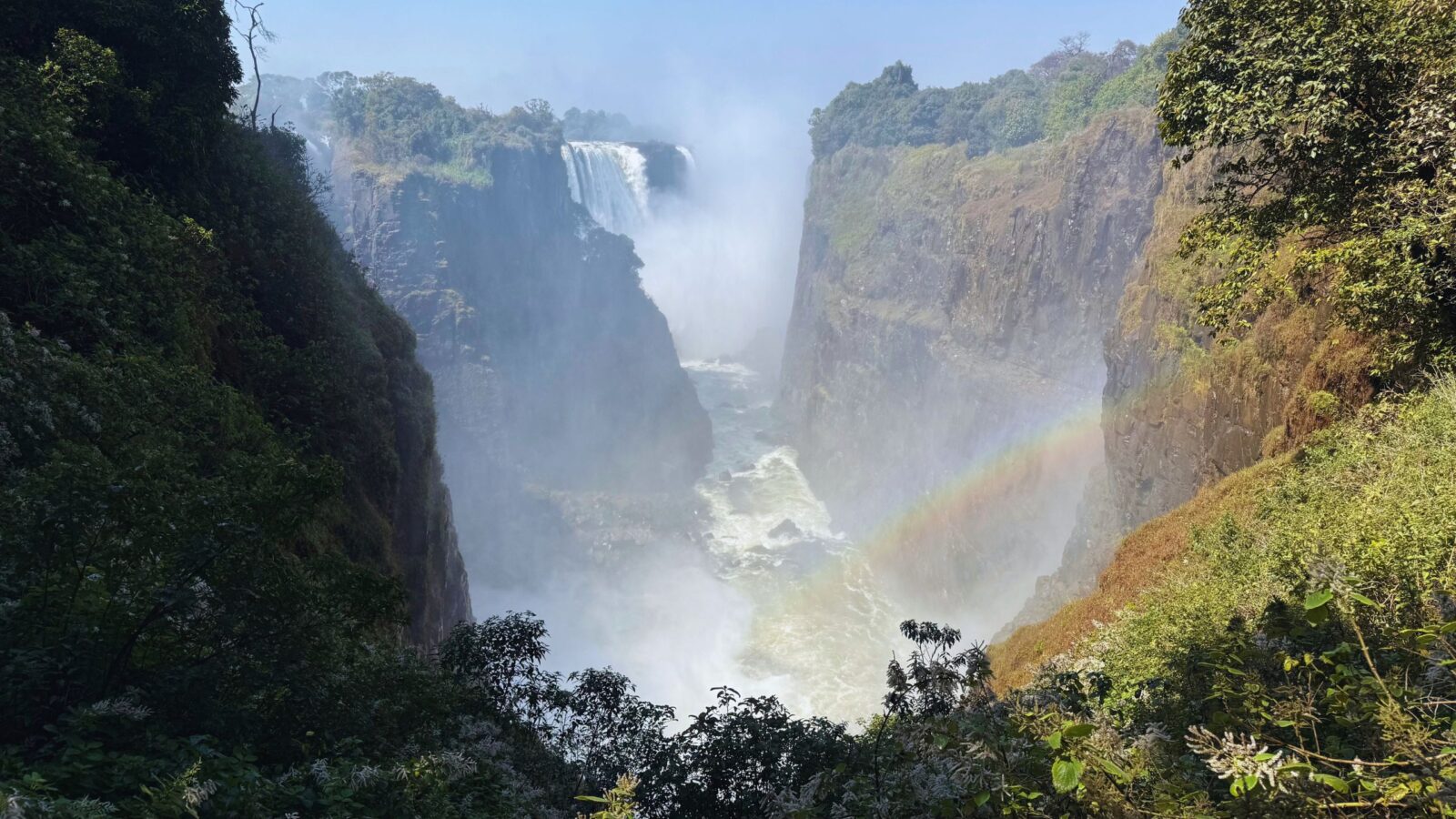
If you only have time to visit one side of Victoria Falls, I’d choose Zimbabwe. You get access to more viewpoints, and the falls look bigger and fuller than they do from Zambia.
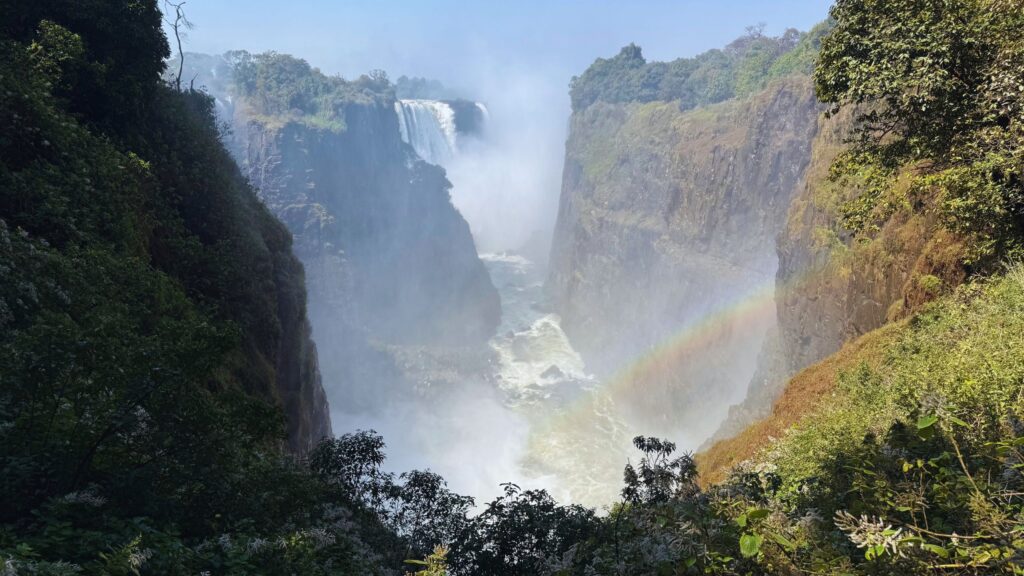
Depending on water levels and wind direction, expect to get soaked by the spray. Bring a waterproof jacket or accept that you’ll be walking around in damp clothes for a while.
I visited in August and found the Zimbabwe side noticeably busier than the Zambian side. School groups filled some of the viewpoints, and I occasionally had to wait my turn for some of the more popular ones. Even so, I thought the panoramic views were worth it.
Pro tip: Visit early in the morning and avoid weekends if you want to beat the crowds. Set aside at least 2-3 hours to explore the various viewing platforms and appreciate the sheer scale and power of the falls.
Cost: $58 per international adult (as of 2026). Bring USD cash, since card machines aren’t always reliable.
2. See Victoria Falls up close from the Zambia side
The Zambian side offers a different perspective of Victoria Falls. Depending on water levels, you can get closer to the water and see the falls from angles that aren’t accessible from Zimbabwe.
Pro tip: During the dry season, particularly in October and November, parts of the Zambian side can have very little water flowing over them. If you’re visiting during this time and want to see Victoria Falls with the full curtain of water, I’d prioritize the Zimbabwe side, where you’ll get better views of the waterfall.
One of the highlights is the Knife-Edge Bridge, a narrow footbridge that takes you right into the spray, offering dramatic views of the Eastern Cataract and the gorge below. Be prepared to get wet, especially when water levels are high.
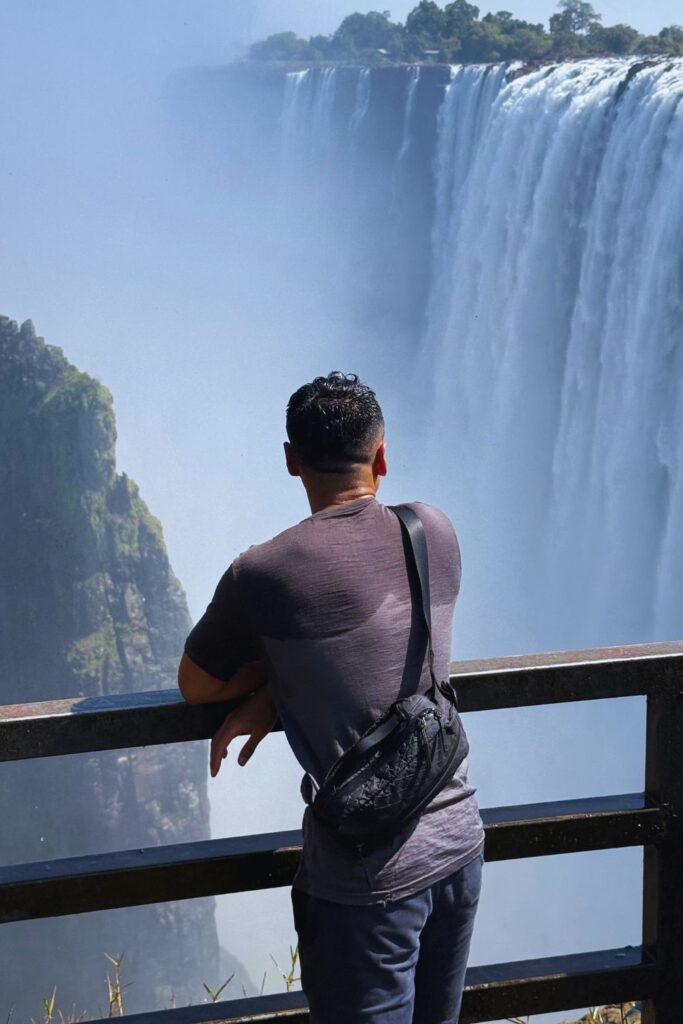
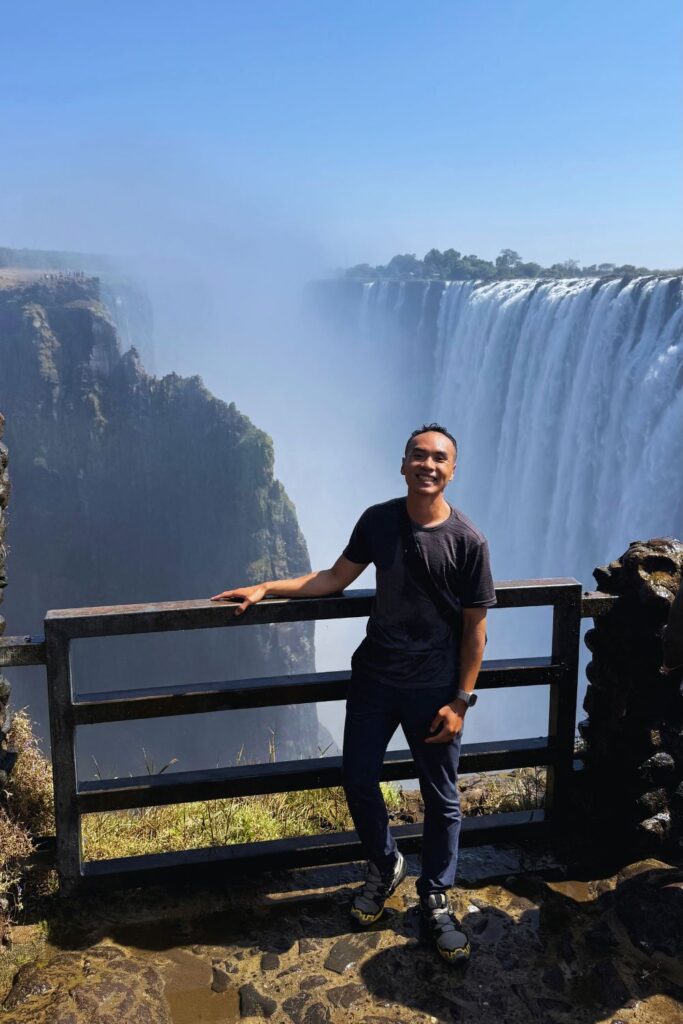
Another spot worth checking out is the Boiling Pot, a pool at the bottom of the gorge. Getting there involves a steep hike down, but you’ll be rewarded with a unique view of the river’s powerful currents. Keep an eye out for baboons along the trail, too. You’ll likely spot them lounging on rocks, rummaging around the path, or locking eyes with hikers as they pass by.
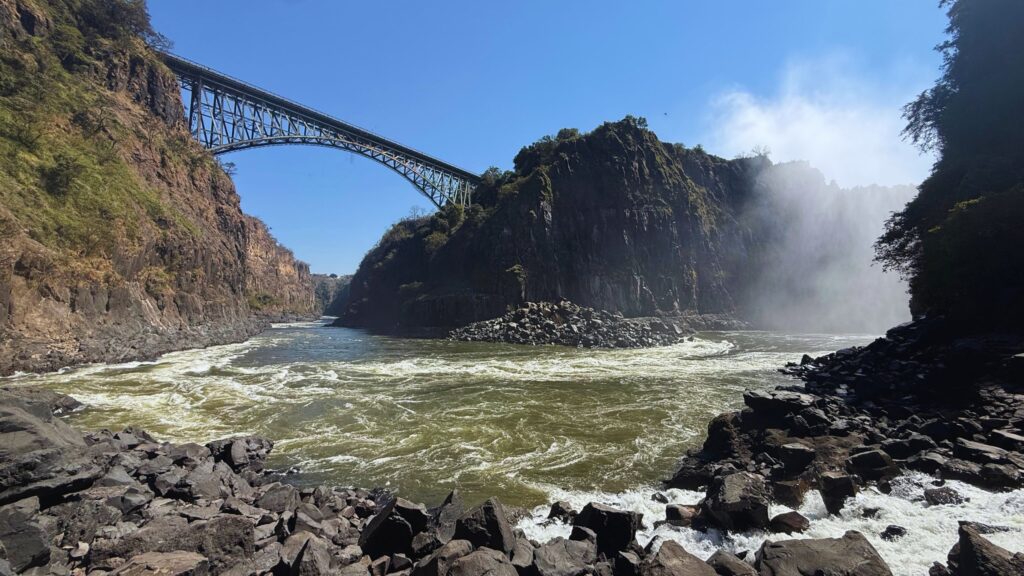
The Zambian side is also where you’ll find access to activities such as Angel’s Pool and Devil’s Pool (when seasonal conditions allow).
Cost: $20 entrance ticket for international visitors.
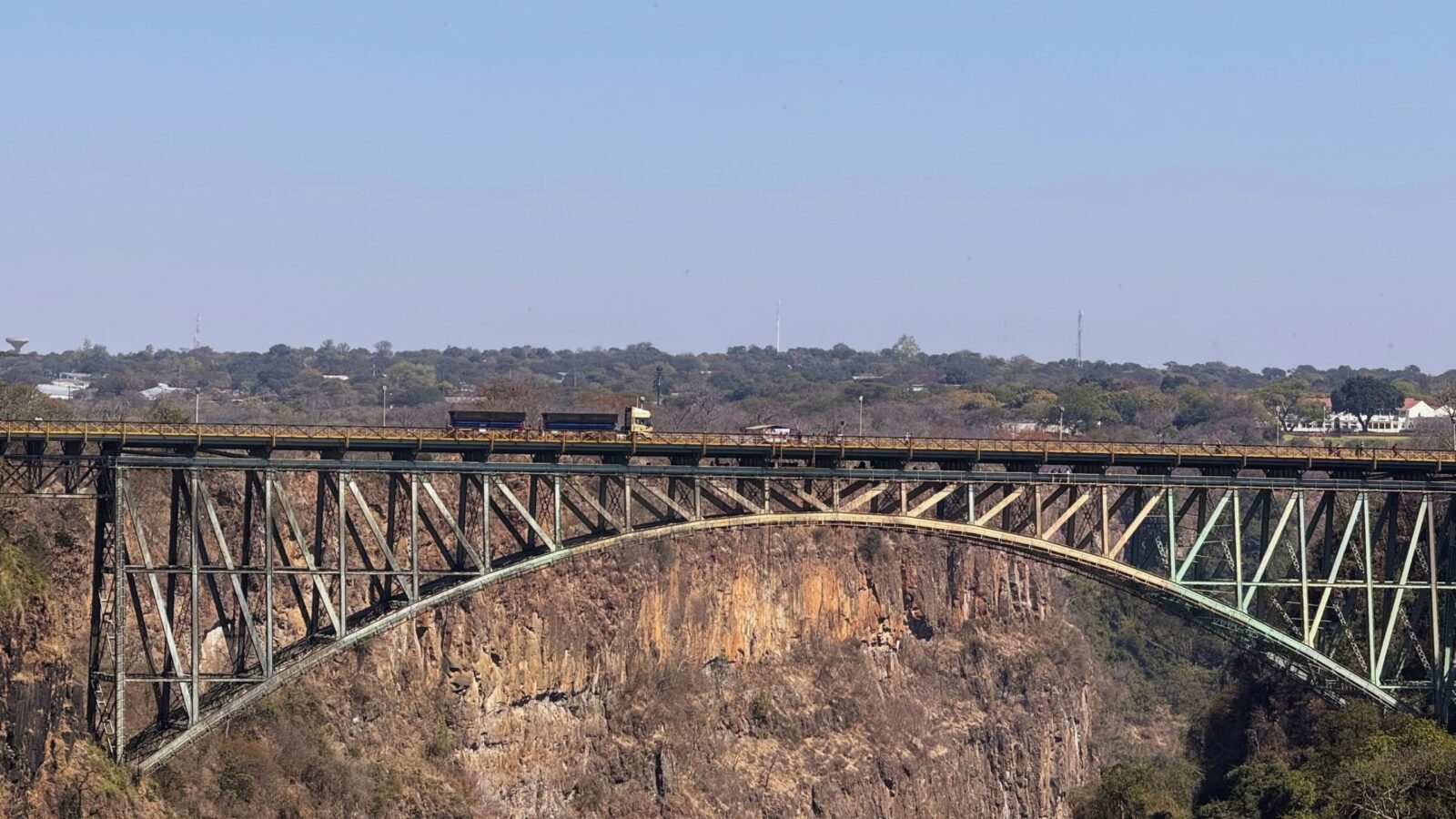
3. Walk the Victoria Falls Bridge
Victoria Falls Bridge connects Zambia and Zimbabwe, with stunning views of the gorge and the Zambezi River below. It’s also a fun spot to watch bungee jumpers take the plunge if you don’t want to try it yourself.
The bridge is part of the border crossing between the two countries. If you’re planning to visit both sides of Victoria Falls, you’ll need to go through immigration and make sure you meet the visa requirements for your nationality.
I’ve written a step-by-step guide on how to cross the Zambia-Zimbabwe border at Victoria Falls.
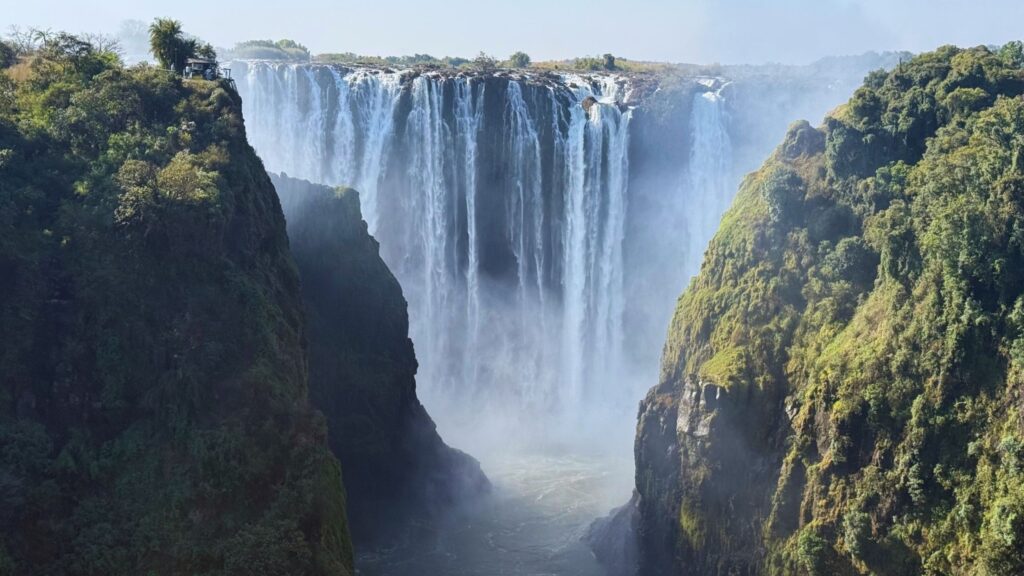
If you just want to visit the bridge without crossing the border, head to border control and tell the immigration officers you’re only visiting the bridge. They’ll issue you a special slip or permit instead of stamping you out of the country.
Once you’re done, return to the same border post and show your permit to the officers. Procedures can change, so confirm the process with immigration staff when you arrive. I suggest bringing your passport just in case.
Cost: Free to walk onto the bridge. A guided historical bridge tour costs about $64. This tour is run by Shearwater, the same company that operates the bungee jump off Victoria Falls Bridge.
4. Go on safari near Victoria Falls
Victoria Falls isn’t just about the waterfall. The surrounding region is home to plenty of wildlife, and you can easily add a safari to your itinerary without committing to a multi-day trip.
On the Zimbabwean side, Zambezi National Park is a convenient option for a game drive. On the Zambian side, Mosi-oa-Tunya National Park offers wildlife experiences close to Livingstone, including the chance to see rare white rhinos on foot.
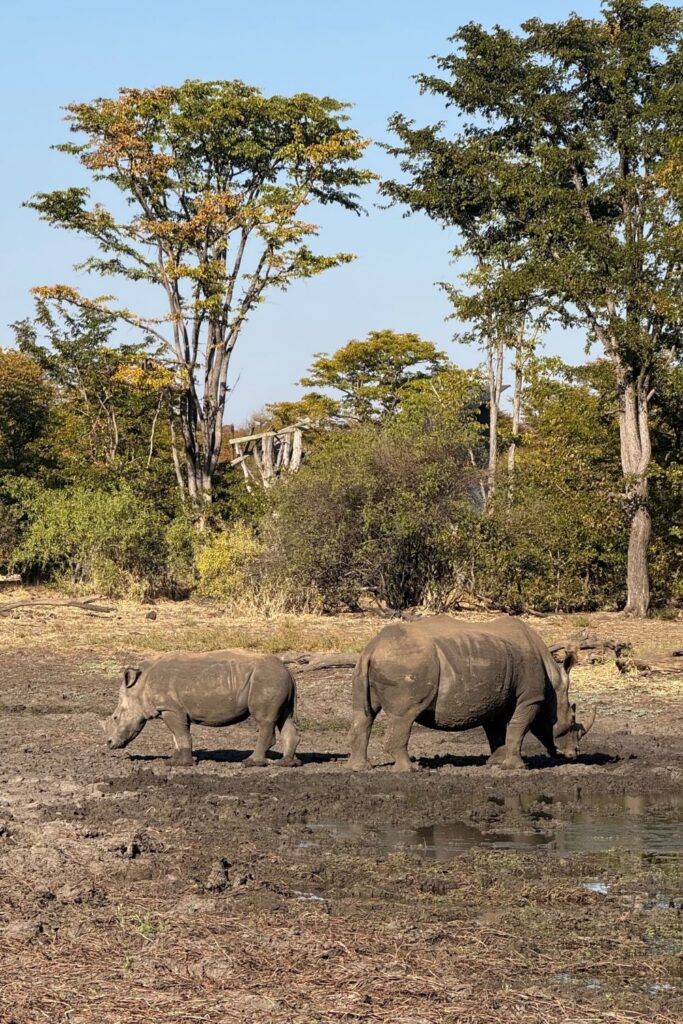
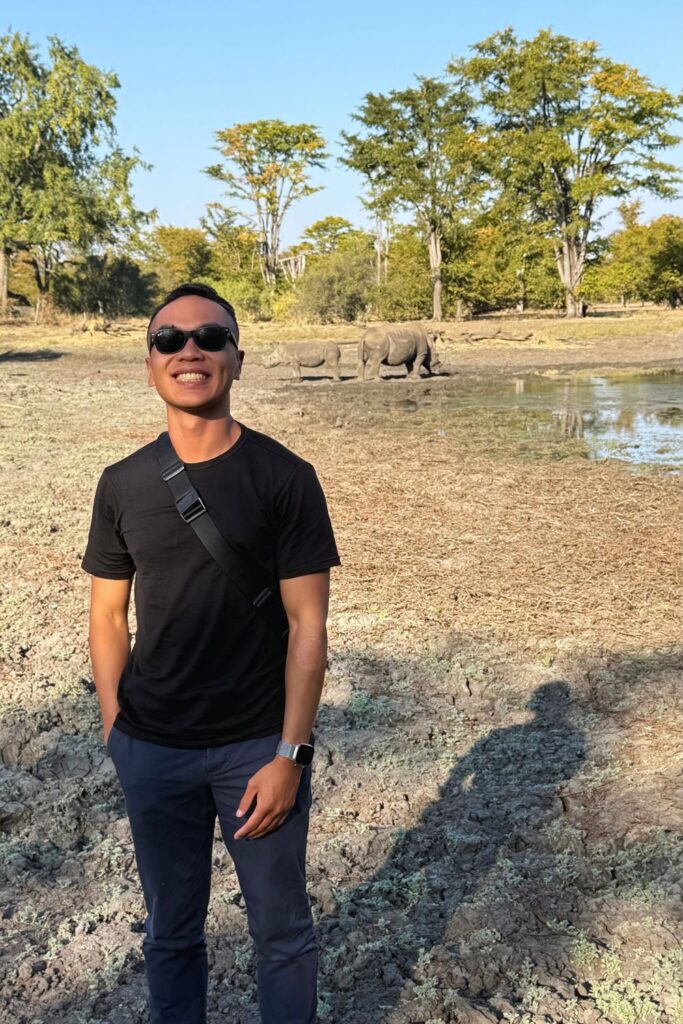
If you have more time, consider a longer safari to Chobe National Park in Botswana or Hwange National Park in Zimbabwe.
I went on safari at Mosi-oa-Tunya National Park, and it was super convenient. The entrance was literally five minutes from my Livingstone hotel. It was an easy way to add some variety to my trip instead of spending all my time looking at the falls.
Cost: Half-day game drives in Mosi-oa-Tunya or Zambezi National Park cost about $60-$80. Rhino walks start at about $90, plus park fees. A Chobe day trip starts at about $150.
5. Take a helicopter flight over Victoria Falls
Seeing Victoria Falls from the ground is impressive, but a helicopter ride takes things to another level. From above, you’ll get a bird’s-eye view of the massive waterfall, the winding Zambezi River, and the zigzagging Batoka Gorge.
I’d aim for a morning flight for the best chance of clear views, although late afternoon is another good option if you want softer light for photos. The classic Flight of Angels lasts around 12-13 minutes, while longer flights of around 22-25 minutes cover more of the surrounding landscape.
Cost: The 12-13 minute Flight of Angels costs $173, plus a $37 government and fuel levy and a park fee of about $20. Longer 22-minute flights start at $271, plus fees.
6. Go bungee jumping from Victoria Falls Bridge
If you’ve ever wanted to try bungee jumping, Victoria Falls Bridge is the place to do it. From 111 meters (364 feet) above the Zambezi River, you’ll leap from the bridge, plunging toward the Batoka Gorge below.
Before booking, check the operator’s safety procedures, equipment standards, weight limits, and current operating status. Conditions and availability can change, so book ahead if this is high on your list.
Cost: $168-$194 per person. Photos and video cost extra.
7. Try the gorge swing over Batoka Gorge
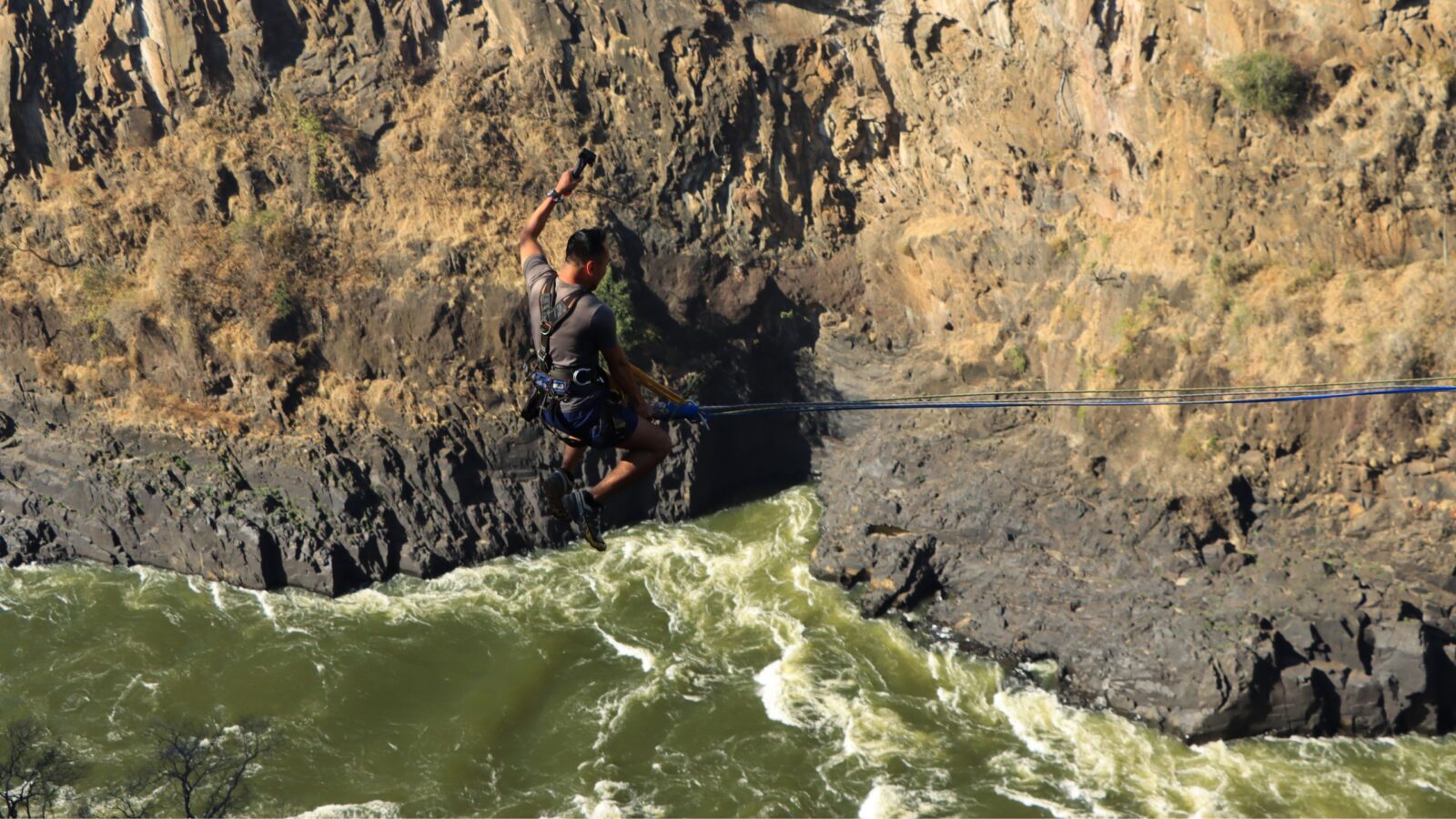
The gorge swing is another adrenaline activity near Victoria Falls, but it’s a bit different from bungee jumping. Instead of bouncing on an elastic cord, you’ll go into a free fall before swinging across the gorge in a huge pendulum-like arc.
For me, the scariest part was standing on the platform, knowing I had to jump. I actually took a few steps back because I was that scared! The initial drop was intense, but once I was swinging out over the gorge, the fear gave way to the thrill of flying across the canyon.
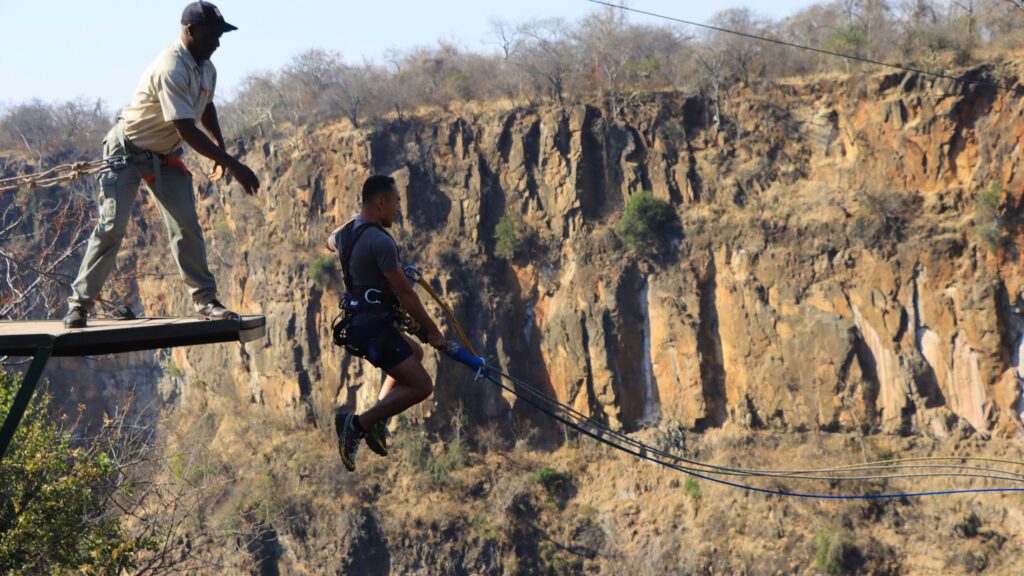
Cost: About $130-$170 for a solo swing. You can also book a combo that includes the gorge swing, zipline, and Flying Fox, which is cheaper than booking them individually. I paid $220 for the combo.
8. Go white-water rafting on the Zambezi River
The Zambezi River is famous for its white-water rafting, with powerful Class III to Class V rapids cutting through Batoka Gorge.
Timing matters here. Low-water rafting typically runs from around August to December, with September to November often offering some of the best conditions. As water levels rise from around January, high flows can make rafting unsafe and close access to certain rapids.
One thing to prepare for: getting out of the gorge at the end. After a day of paddling through rapids, you’ll have a steep climb back up, so save a little energy for that.
Cost: $161-$173 for a full day, depending on the season, plus a $12 park fee. Lunch and transfers are usually included.
9. Visit Livingstone Island
Livingstone Island sits in the middle of the Zambezi River, right where it drops over Victoria Falls on the Zambian side. It’s named after David Livingstone, the Scottish explorer who is credited with being the first European to see the falls.
You can only visit on a guided tour, and whether you can go depends on the water levels. The main draw is getting to see the falls from a spot you can’t reach on the regular walking trails.
Cost: Boat tours to the island cost $149-$209 per person. In some seasons, there’s also a guided walking tour for $100, plus a $20 entrance fee. Check Livingstone Island’s rates page for current prices and tour times.
10. Take a dip in Devil’s Pool
Devil’s Pool is a natural rock pool at the top of Victoria Falls on the Zambian side. The experience involves taking a guided boat ride to Livingstone Island, then walking and wading through the Zambezi River to reach the pool. Once there, you’ll climb into the natural basin and get to swim right near the edge of the waterfall, with a rock ledge acting as a barrier between you and the drop.
You’ll often see people posing right at the lip of the falls, with their heads and shoulders above the water and the vast drop just beyond them. It makes for a pretty wild photo.
Access is controlled, and you must go with an authorized guide. The activity is seasonal because water levels and currents can make it unsafe at other times of year.
If Devil’s Pool is closed, check out Angel’s Pool, another natural pool on the island that’s available during different water conditions.
Cost: $149-$209 per person, depending on the tour (breakfast, lunch, or high tea) and the season.
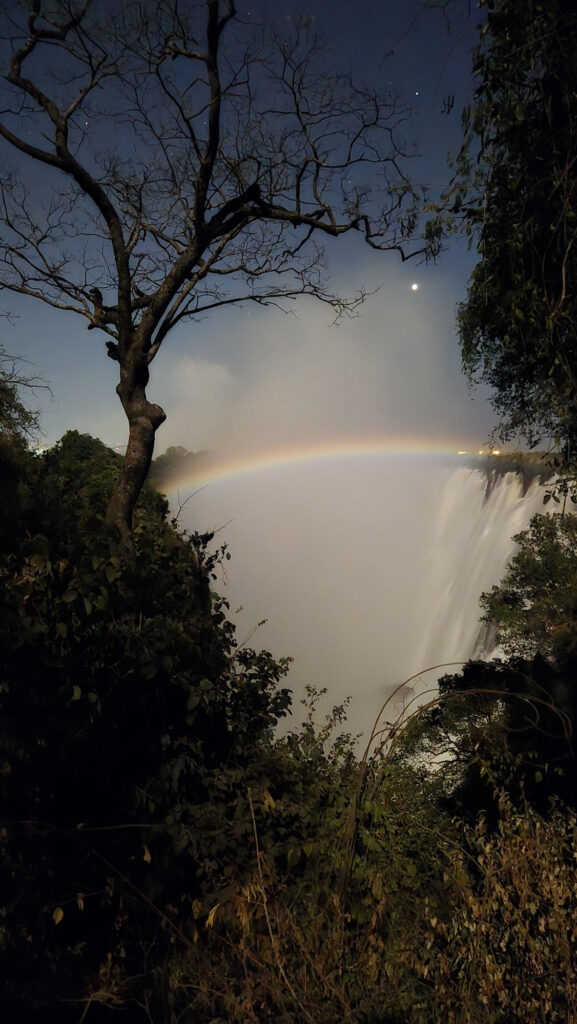
11. See the lunar rainbow at Victoria Falls
A lunar rainbow, also known as a moonbow, is a rainbow that appears at night when moonlight hits the water droplets in the mist. I didn’t know this, but Victoria Falls is one of the few places where you have a chance of seeing one.
Victoria Falls National Park offers special nighttime visits around the full moon, when conditions are best for spotting a moonbow. Keep in mind that moonbows are much fainter than regular rainbows, so don’t expect the bright, vivid colors you see during the day. Whether you’ll actually spot one depends on the moonlight, mist, and weather conditions.
Cost: Night entry costs $116 per person on the Zimbabwe side and $25 on the Zambia side. A guided tour with transfers costs extra.
12. Take a sunset cruise on the Zambezi River
A sunset cruise is a relaxed way to spend an evening in Victoria Falls. Boats travel along the Zambezi River, where you might spot hippos, crocodiles, elephants, and other wildlife along the banks.
The main appeal is the combination of river scenery, wildlife watching, and sunset views. Most cruises include drinks, and some offer snacks or a more substantial spread depending on the package.
Make sure to book a late-afternoon departure so you can enjoy the river in daylight before watching the sun set.
Cost: $50-$110 per person, depending on the boat and what’s included. Some cruises charge a $12 park fee on top.
13. Grab a meal at The Lookout Cafe
The Lookout Cafe is a popular restaurant overlooking Batoka Gorge on the Zimbabwean side. The views are the main draw, with the gorge providing a spectacular backdrop while you eat.
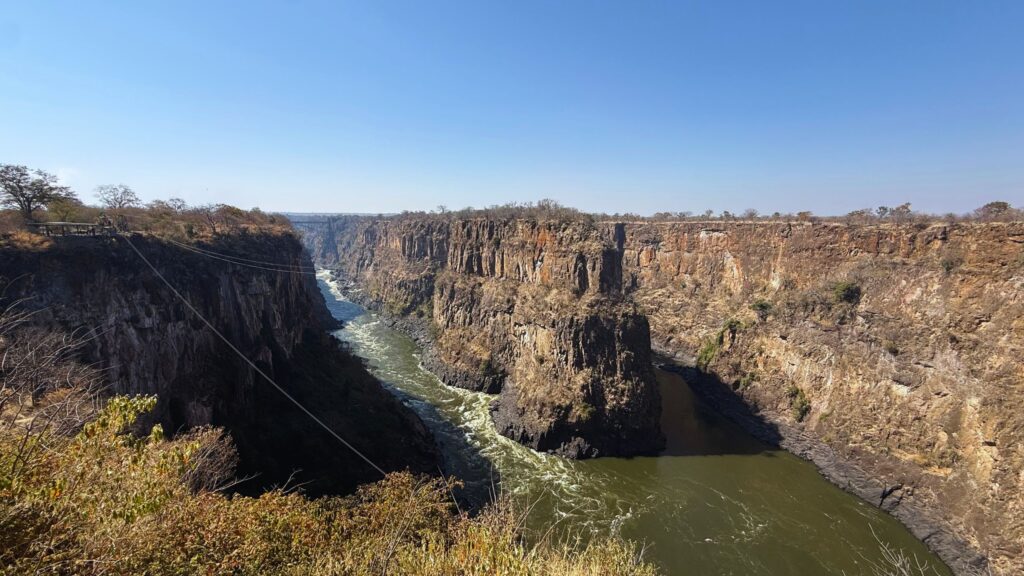
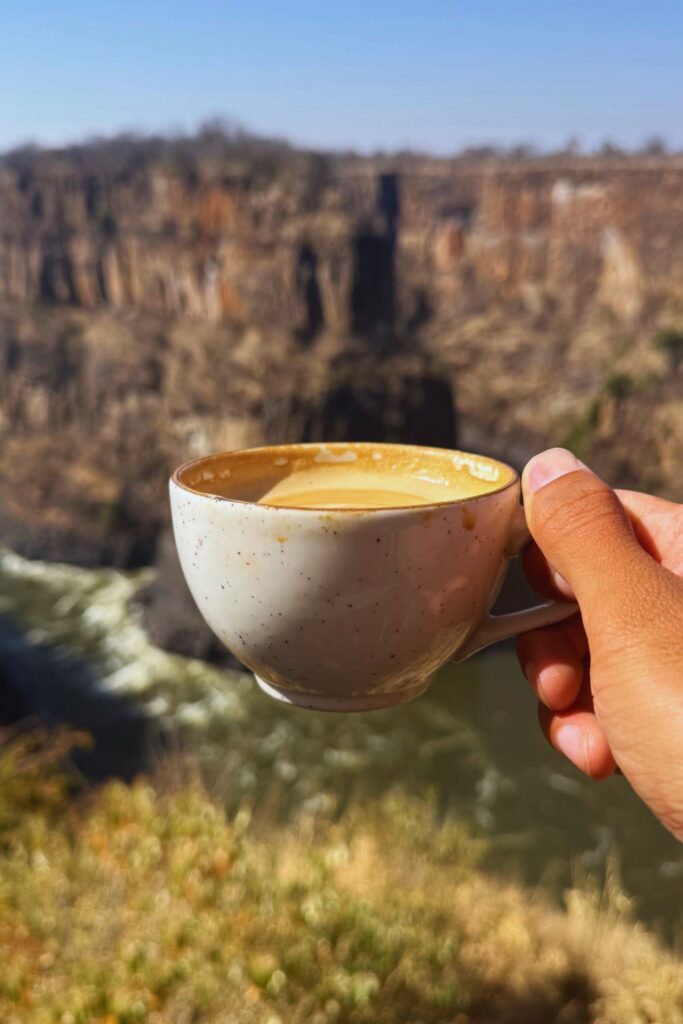
It’s a nice spot to take a break between sightseeing. You can see people ziplining, riding the Flying Fox, and doing the gorge swing. I also spotted warthogs running around the property, which was a fun surprise.
Pro tip: The food and drink prices here are higher than what you’ll find at restaurants in town. If you want to enjoy the views without spending too much, just stop by for a coffee. I enjoyed their cappuccino.
Cost: About $15-$25 per person for a meal and a drink, depending on what you order.
14. Explore Victoria Falls Town
Victoria Falls Town on the Zimbabwean side is easy to explore on foot, with plenty of restaurants, local shops, and tour operators where you can book activities.
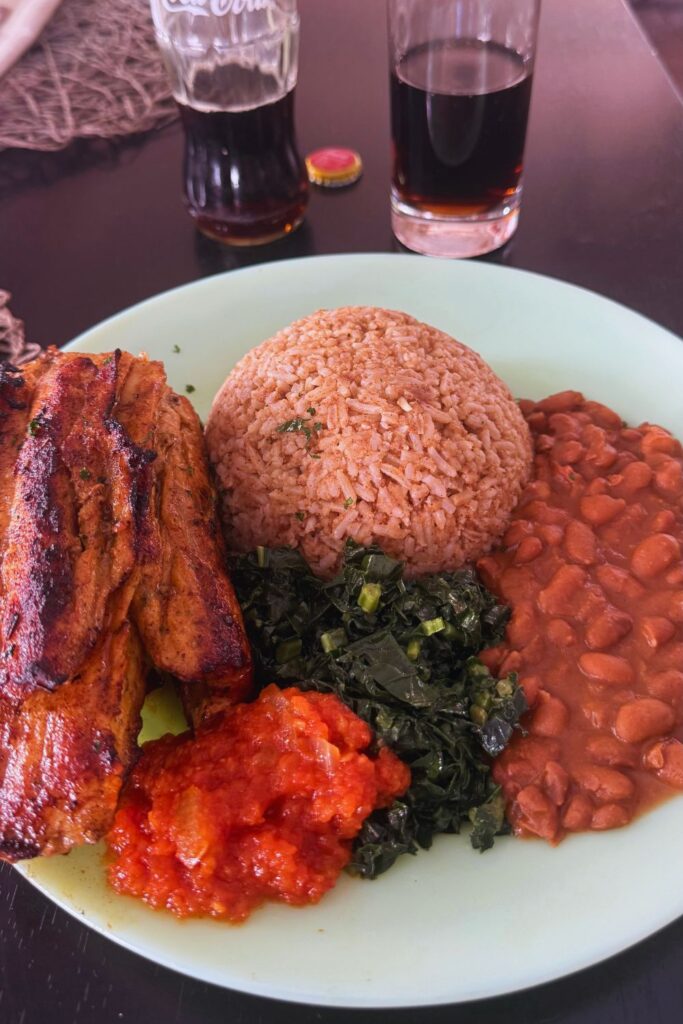
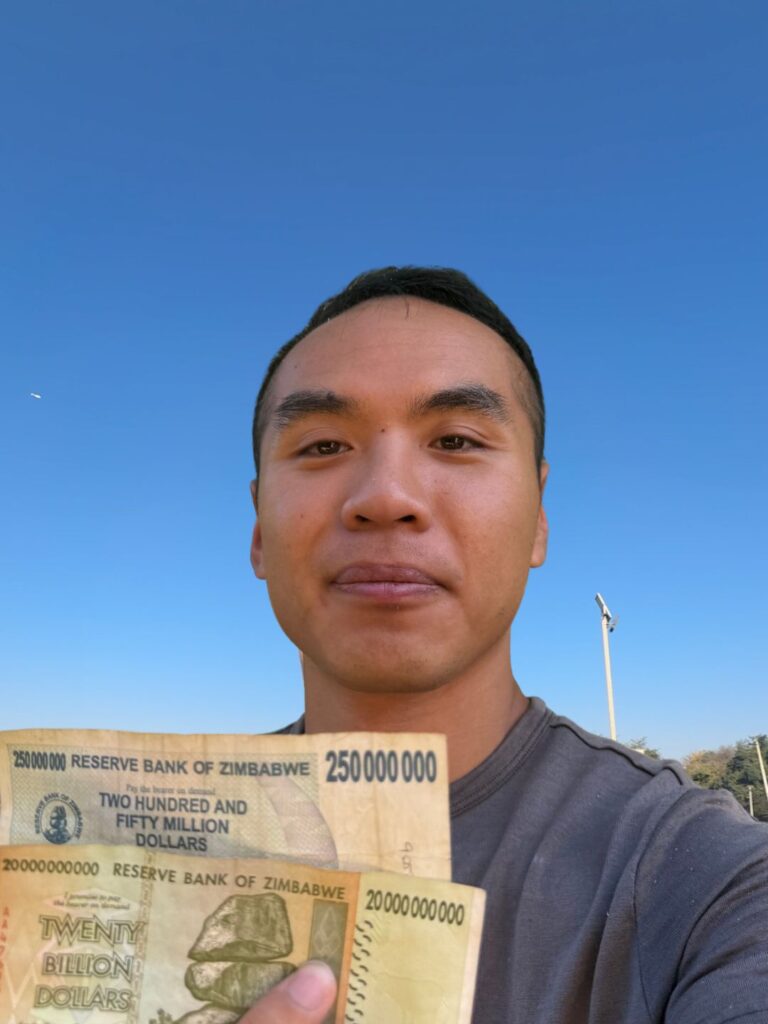
One thing I recommend trying is crocodile meat. I was surprised by how much I liked it! The taste reminded me of a mix between pork and fish. If you’re feeling adventurous and want to try something a little different, give it a go. I had mine at Zulu Bistro Bar.
Pro tip: Be prepared for some persistent touts around town. There will be many people approaching you trying to sell souvenirs (like the Zimbabwean bills in the picture above). I didn’t find them particularly threatening, but some won’t take no for an answer. Don’t feel pressured to stop or buy anything if you’re not interested.
Cost: Free to walk around. Budget extra for food, shopping, and taxis.
Should you walk with lions?
Walking with lions is sometimes promoted as a bucket-list activity around Victoria Falls. The experience typically involves walking near lions that have been accustomed to human contact.
I’d skip it for ethical reasons. Activities involving close interaction with captive lions can raise concerns about animal welfare, human habituation, and the role these animals may play in commercial wildlife experiences.
If you want to see lions in the wild, go on a game drive instead (see #4). Lion sightings near the falls aren’t guaranteed, so Chobe National Park in Botswana is your best bet.
Final Thoughts on Victoria Falls Activities
Locals call Victoria Falls Mosi-oa-Tunya, meaning “the smoke that thunders,” and after visiting, I can see why. The roar of the water is deafening, and the mist rises so high that it looks like smoke billowing into the sky. Experiences like the gorge swing and game drive made the trip even more memorable.
I’d set aside at least two full days to explore both the Zambian and Zimbabwean sides without rushing. For more help planning your visit, check out my guide to where to stay in Victoria Falls and my Zambia vs. Zimbabwe comparison.
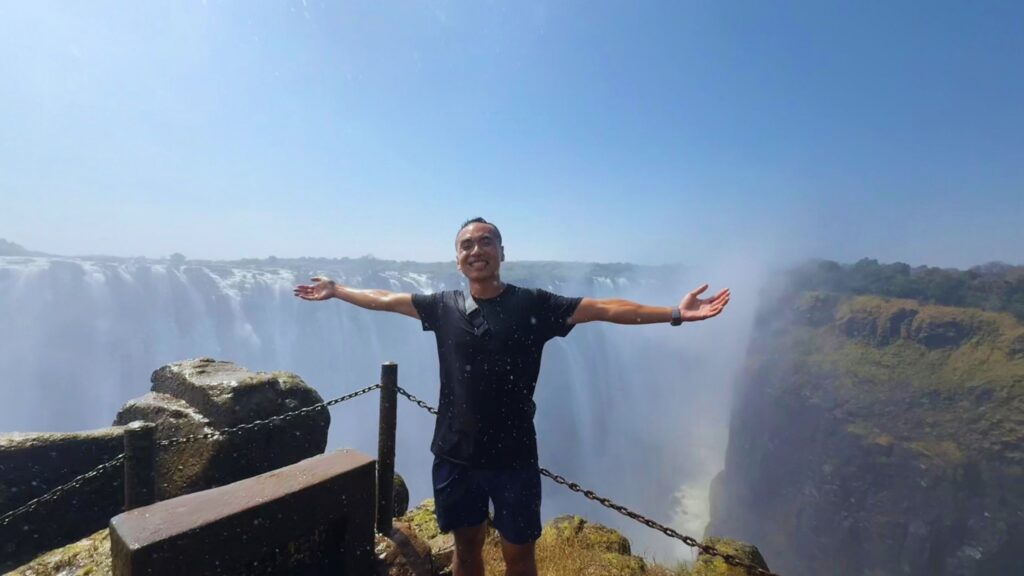
Victoria Falls Activities: Frequently Asked Questions
Is Victoria Falls worth visiting?
Yes. Even if waterfalls aren’t usually your thing, Victoria Falls is different. It’s huge, it’s loud, and you see it from a new angle at every viewpoint. The surrounding area also has enough activities to fill several days, including safaris, river cruises, and adrenaline sports.
What are the best things to do in Victoria Falls?
The best things to do in Victoria Falls are seeing the falls from both the Zimbabwe and Zambia sides, swimming in Devil’s Pool (in season), taking a helicopter flight, and trying the gorge swing. For something slower, take a sunset cruise on the Zambezi River.
What is the best time to visit Victoria Falls?
February to May is the best time to see Victoria Falls at its fullest, although heavy spray can affect visibility. June to August offers a good balance of impressive water flow and clearer views, while the later dry season is better for activities like Devil’s Pool and white-water rafting, depending on conditions.
Is Zambia or Zimbabwe better for Victoria Falls?
I’d choose Zimbabwe if you can only visit one side because it has more viewpoints along the falls. Zambia is still worth visiting, especially if you want to try Devil’s Pool or visit Livingstone Island. I found the Zambian side less crowded during my August visit.
Can you visit both sides of Victoria Falls in one day?
It’s possible, but I wouldn’t recommend rushing it. Two full days give you a more comfortable pace.
Can you swim at Victoria Falls?
You can swim in Devil’s Pool on the Zambian side during the appropriate season and under the supervision of an authorized guide. It’s not a year-round activity, and access depends on water levels and safety conditions.
When is Devil’s Pool open?
Devil’s Pool is usually open from late August to late December, when the water is low enough to swim safely. Exact dates depend on the water level each year, so check with the tour operator before you book.
When is Angel’s Pool open?
Angel’s Pool is usually open from January to late August, when water levels are higher and Devil’s Pool is closed. Like Devil’s Pool, it depends on conditions, and swimming isn’t guaranteed.
Can you visit Livingstone Island without doing Devil’s Pool?
Yes. The island tour runs for most of the year, even when the pools are closed or you don’t want to swim. You still get the guided walk, the views from the edge of the falls, and a meal on the island.
How much does a Victoria Falls trip cost?
Entry to the falls costs $58 on the Zimbabwe side and $20 on the Zambia side. Beyond that, your budget depends on accommodation, activities, and how many sides you visit. Walking around the falls, meals, and transport can be relatively manageable, but helicopter flights, rafting, and bungee jumping make the price jump quickly.
Can you see a lunar rainbow at Victoria Falls?
Sometimes. The park opens at night on the three nights around each full moon, and entry costs $116 on the Zimbabwe side and $25 on the Zambia side. You’ll still need clear skies and enough mist to see one.